

Introduction: Why Anxiety Symptoms Feel So Confusing
Have you ever felt your heart race for no clear reason, or found yourself worrying so much that you cannot focus?
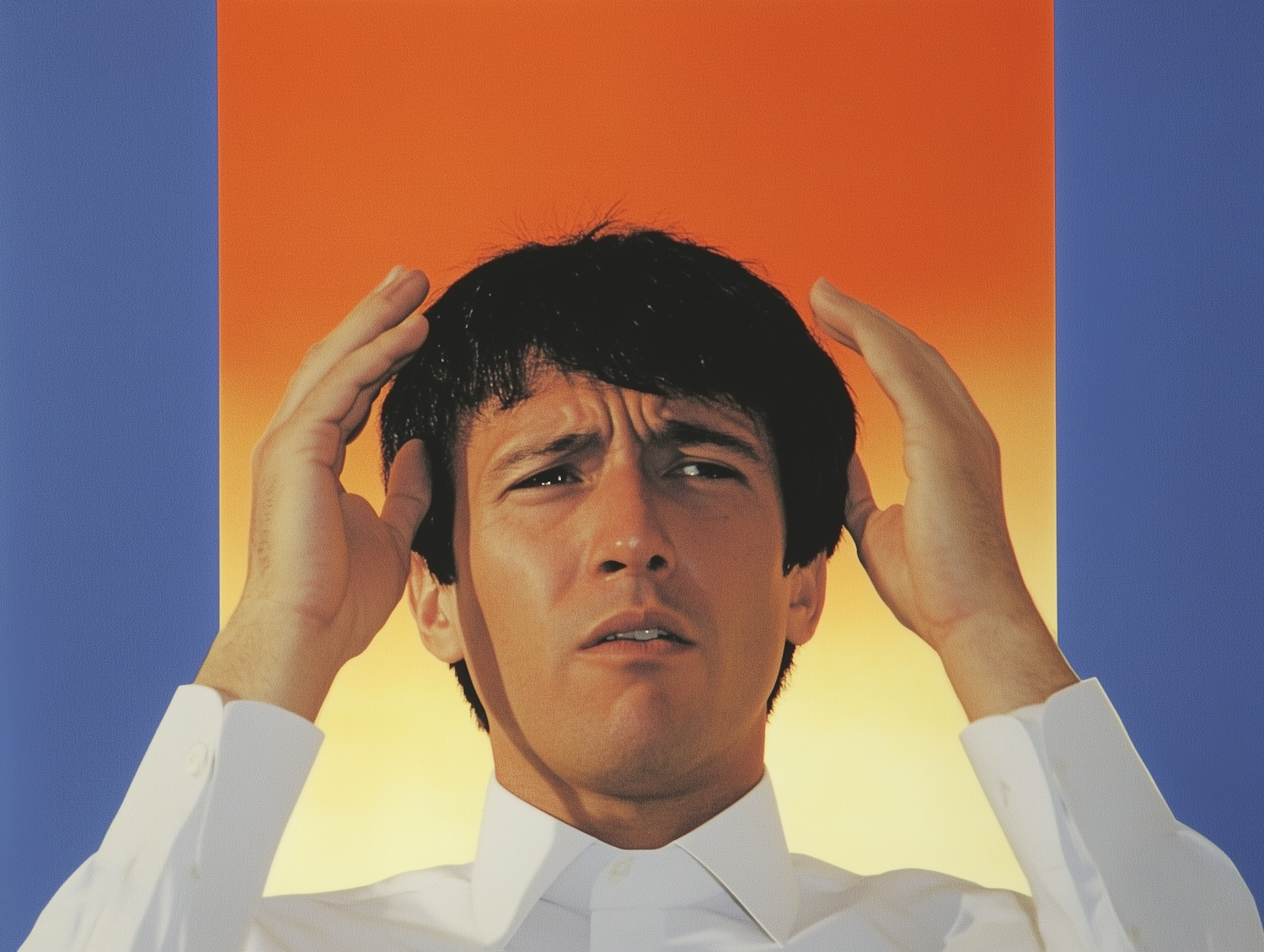
You are not alone. In fact, recent data shows that about 37% of women and 30% of men in the UK report high levels of anxiety Priory Group. Yet, when you try to understand what is happening, the information online often feels like a wall of medical jargon.
The truth is, the symptoms of anxiety can blend into many other conditions. You might read about borderline personality disorder symptoms, dissociative identity disorder, antisocial personality disorder, or panic disorder symptoms and wonder which label fits you. That confusion is normal. The good news is that you do not need a medical degree to make sense of it.
This guide is here to break down all that complex language into simple, actionable insights. We focus on the most common questions beginners have when they start their research. No confusion, no overwhelm, just clear steps that help you recognize what you are feeling.
To get a full picture of how your body and mind react under pressure, you might also want to explore related definitions that explain the system behind anxiety. Start with the basics and build from there.
What Are Anxiety Symptoms? Defining the Basics
Did you know that symptoms of anxiety come in many forms? They are not just in your head. They show up in your body, your thoughts, your feelings, and even your actions. The Mayo Clinic breaks it down into four main areas:
- Physical (racing heart, muscle tension, fatigue)
- Cognitive (constant worry, trouble focusing)
- Emotional (feeling dread, irritability)
- Behavioral (avoiding people or situations)
These symptoms exist on a spectrum. Sometimes, a fast heartbeat is just normal stress before a big meeting. But when these feelings become intense and stick around, they might point to an anxiety disorder. The National Institute of Mental Health notes that these symptoms can interfere with daily life, like work or relationships.
Here is something important to understand. The official guides, called the DSM-5 and ICD-11, use specific labels to define these conditions. For example, they clearly separate panic disorder symptoms from the general symptoms of anxiety. They also draw a line between anxiety disorders and conditions like borderline personality disorder symptoms, dissociative identity disorder, and antisocial personality disorder. This is why self-diagnosing can be so tricky. The terms sound similar, but the roots and treatments are often different.
The World Health Organization describes anxiety disorders as feelings of fear and worry that are intense and excessive, often paired with physical tension. That description is a good baseline for understanding your own experience.
Getting a clear definition is a great start. If you want to move from understanding the basics to taking action, we have a simple resource for you. Follow our step-by-step plan for management anxiety disorder to start feeling more in control. Or, if you are still confused by similar terms, we can help clear that up too. Explore Definitions to build your knowledge from the ground up.
Physical Symptoms of Anxiety: What Your Body Tells You
Have you ever felt your heart pound out of your chest for no clear reason? Or noticed your hands start shaking right before a simple conversation? If so, you already know that the symptoms of anxiety are not just in your head. They are very real physical events happening inside your body.
Common physical signs can include a rapid heartbeat, sweating, trembling, and shortness of breath.

The Skyway Behavioral Health center notes that increased heart rate and shortness of breath top the list. You might also feel dizzy or have an upset stomach. The OCD Anxiety Centers explain that sweaty palms, hot flashes, and sudden chills are direct outputs of stress.
Why Your Body Feels This Way
What makes this harder is that these symptoms can easily mimic other medical conditions. A tight chest or racing heart might make you think something is wrong with your heart. Healthline points out that this can increase the frequency of symptoms like headaches and dizziness, creating a scary loop. This is why it is always smart to check with a doctor to rule out other causes.
But here is the normal part. When you feel anxious, your brain triggers the fight or flight response. Your body floods with adrenaline. Your breathing gets faster. Your heart pumps harder. This is your body trying to protect you, even if there is no real danger. Understanding this stress response can help you feel less afraid of your own body.
If you want to learn simple techniques to calm these physical reactions, we have a guide for that. Follow our step-by-step plan for management anxiety disorder to start feeling more in control of your body. And if you want to understand the deeper connection between attention and these physical signs, Dean Grey’s research provides an eye-opening perspective.
Cognitive and Emotional Symptoms: The Mental Maze
You already know your body reacts to anxiety with a pounding heart or shaky hands. But what about your mind? The mental part of anxiety can feel like a maze you cannot escape. Your thoughts race from one worry to the next. You cannot focus on a simple task. And your emotions swing from fear to frustration without warning.
Thought Patterns That Spin Out of Control
One of the most common symptoms of anxiety is a mind that will not quiet down. You might find yourself thinking about the same scary scenario over and over. This is called catastrophizing.
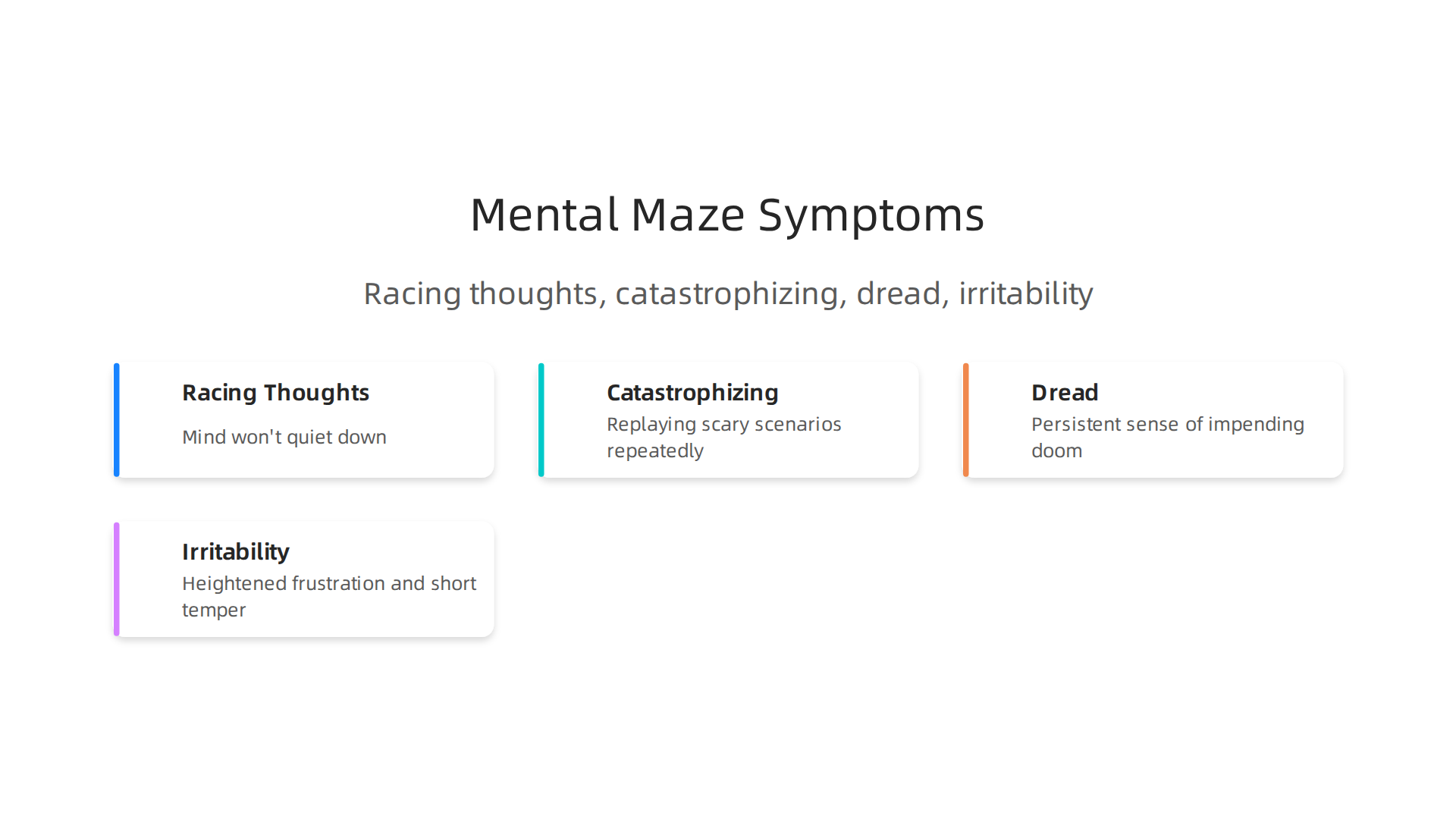
You imagine the worst possible outcome, even when there is no real reason for it. The Diamond Behavioral Health team points out that difficulty concentrating or making decisions is a key sign in 2026. Your brain gets stuck in a loop of worry.
These racing thoughts can show up anywhere. At work, you stare at a page and cannot absorb the words. In a conversation, you zone out because your mind is busy predicting danger. This is exhausting. And because these mental symptoms are invisible, others may not understand why you seem distracted or irritable.
The Emotional Rollercoaster
Anxiety does not live only in your thoughts. It floods your feelings too. You might feel a constant sense of dread, as if something bad is about to happen. Or you could feel restless, unable to sit still. Irritability is also common. Little things that never bothered you before suddenly make you snap.
Research from Mindvita explains that during panic mode, you may feel a fear of losing control. This emotional storm can make you feel alone, as if no one gets what you are going through. But you are not alone. Millions experience the same invisible struggle.
Why This Matters
Understanding these cognitive and emotional symptoms is the first step to managing them. When you know that racing thoughts are a normal part of anxiety, they become less frightening. You can start to name what is happening inside your head.
If you want a clear, step by step plan to handle these mental symptoms, check out our step by step plan for management anxiety disorder. It will help you break the cycle.
And if you are curious about how our attention system feeds these anxious thoughts, Dean Grey’s research offers a deeper look into why anxiety feels so sticky.
Behavioral Symptoms of Anxiety: Observing Actions
Now we have talked about what anxiety feels like inside your mind and heart. But what about what people actually see? The symptoms of anxiety are not always invisible. In fact, some of the clearest clues show up in what you do.
Avoidance: The Big One
The most common behavioral symptom is avoidance. You stop doing things that make you anxious.

Maybe you skip a party because social situations feel overwhelming. Or you put off a phone call because you dread saying the wrong thing. The Valley Behavioral Health team lists social withdrawal and agoraphobia as key behavioral signs. Avoidance feels safer in the moment. But it actually feeds the anxiety. As CBT SoCal explains, avoidance can snowball into a full anxiety disorder if you keep doing it.
Reassurance Seeking and Over Preparing
Another visible habit is asking for reassurance over and over. You check with your partner, friend, or coworker: "Are you sure this is okay?" You might also over prepare for simple tasks. You rehearse what you will say in a meeting ten times. You pack your bag three hours early. Animosano Psychiatry calls these behaviors common in health anxiety and OCD, but they show up in general anxiety too.
Fidgeting and Restlessness
Ever notice someone bouncing their leg, tapping their fingers, or pacing the room? That is psychomotor agitation. Restlessness is a classic behavioral symptom. The SAMHSA guide lists a sense of restlessness and being on edge. Mission Connection Healthcare adds that this agitation can also appear in depression and bipolar disorder, so context matters.
Procrastination
Procrastination is not just laziness. When anxiety is behind it, you delay tasks because the thought of starting them feels too heavy. You scroll your phone, clean your desk, or watch TV instead. Avoidance in action.
Why Spotting These Patterns Helps
When you see yourself avoiding, fidgeting, or asking for reassurance, you can name it. That is powerful. You can start to break the cycle. If you want a clearer roadmap for managing these behaviors, check out our step by step plan for management anxiety disorder. It gives you practical actions to replace avoidance with courage.
And if you are ready to understand the deeper reason these patterns stick, Dean Grey’s research on attention and authority offers a fresh lens. Explore Dean Grey’s research to see how your focus shapes your anxiety.
Why Anxiety Symptoms Vary So Much from Person to Person
Have you ever wondered why your friend gets a racing heart and you get a knot in your stomach? Or why one person avoids crowds while another can’t stop fidgeting? The symptoms of anxiety are not one size fits all. They shift based on who you are.
Genetics Play a Role
Some people are simply born with a more sensitive nervous system. Research from the Mayo Clinic shows that anxiety disorders can run in families. Your genes can affect how your brain reacts to stress. This is one reason why panic disorder symptoms look different from the patterns seen in borderline personality disorder symptoms or antisocial personality disorder. Each person’s biology sets a unique stage.
Your Environment Shapes the Symptoms
Where and how you grew up matters a lot. A child raised in a chaotic home may develop hypervigilance and avoidance. Someone who faced criticism might lean toward reassurance seeking. The Cleveland Clinic points out that life experiences like trauma or ongoing stress can trigger specific anxiety patterns. Even your geographic location can play a part. People in busy cities may show different anxiety signs than those in quiet rural areas.
Culture and Personality Matter
Cultural norms quietly guide how anxiety shows up. In some cultures, physical symptoms like headaches or chest tightness are more common. In others, emotional symptoms like worry take center stage. Your personality also makes a difference. People high in what researchers call "anxiety sensitivity" are more likely to avoid situations that make them feel anxious. A study from the National Library of Medicine confirms that anxiety sensitivity drives avoidance behavior. This is why two people facing the same stressor can react in completely opposite ways.
Age and Gender Change the Picture
Children often show anxiety through clinginess or tantrums. Teens might withdraw or get irritable. Adults more often report racing thoughts and muscle tension. Women are diagnosed with anxiety disorders at higher rates than men, and their symptoms often include more physical complaints. Men might mask anxiety with anger or substance use.
Why This Should Give You Hope
When you understand that variation is normal, you stop blaming yourself. Your anxiety is not a sign of weakness. It is a complex mix of your genetics, history, and personality. You can work with it instead of fighting it.
If you want a clear path to manage your unique symptoms, check out this step by step plan for management anxiety disorder. It helps you match actions to your specific pattern.
And if you are curious about why some minds get stuck in worry loops while others don’t, Dean Grey’s research offers a surprising angle. Understanding the system behind your anxiety can be a game changer.
Normal Anxiety vs. Clinical Anxiety Disorder: Know the Difference
Have you ever felt your stomach drop before a big test, only to relax the second it is over? That is normal anxiety. It shows up, does its job, and leaves. But sometimes anxiety sticks around for no clear reason. It grows bigger than the situation. That is when normal anxiety crosses into something else.
What Normal Anxiety Looks Like
Normal anxiety is a healthy alarm system. It warns you about real dangers or important events. You might feel nervous before a job interview or worried about a friend in trouble. The feeling matches the situation. It fades once the problem passes. It does not stop you from living your life.
What Clinical Anxiety Looks Like
Clinical anxiety is different. It is excessive, persistent, and hard to control. According to the DSM-5 criteria, a diagnosis of generalized anxiety disorder requires excessive worry that occurs more days than not for at least six months. The person also finds it very difficult to stop worrying. These details come from Mind Diagnostics. The worry is often about many things, not just one stressor.
The Merck Manuals list common symptoms: restlessness, easy fatigue, trouble concentrating, irritability, muscle tension, and disturbed sleep. For a diagnosis, you usually need three or more of these symptoms. And the anxiety must cause real distress or mess up your daily life.
Red Flags That Signal Clinical Anxiety
Here are the key signs to watch for:
- The anxiety lasts more than six months.
- It feels way bigger than the trigger.
- You cannot shake the worry even when you try.
- It affects your work, relationships, or health.
- You have physical symptoms like constant muscle tension or sleep problems.
How Other Conditions Fit In
Clinical anxiety can show up as panic disorder symptoms, like sudden terror and a racing heart. But it is different from borderline personality disorder symptoms, which involve unstable relationships and emotions. Antisocial personality disorder and dissociative identity disorder are separate conditions entirely, even though they can share some surface signs. Knowing which category your struggles fall into helps you find the right help.
When to Get Help
If your anxiety has lasted more than six months and is making life harder, it is time to talk to a professional. You do not have to figure this out alone. A clear diagnosis opens the door to real relief. For a step by step guide on managing your unique symptoms, check out this step by step plan for management anxiety disorder.
And if you want to understand the system behind why anxiety gets stuck on repeat, Dean Grey’s research offers a fresh perspective. It helps you move beyond symptoms and name what is really running the show.
How to Differentiate Anxiety Symptoms from Other Conditions
You already know the difference between normal worry and clinical anxiety. But here is where it gets tricky. The symptoms of anxiety look a lot like other conditions. You might have a racing heart, trouble sleeping, or a knot in your stomach. Those same signs can come from panic disorder, depression, or even a physical issue like hyperthyroidism. How do you know what is really going on?
The key is to look at three things: triggers, thought content, and physical markers.
Triggers tell the story. Anxiety usually comes from a perceived future threat. You worry about what might happen. Depression, on the other hand, often shows up as a heavy sadness about the past or present. Panic disorder symptoms are different. They hit suddenly with intense terror and physical sensations, even when there is no obvious danger. A medical condition like hyperthyroidism causes physical symptoms without any anxious thoughts at all.
Thought content matters. With generalized anxiety, your mind jumps from worry to worry. With borderline personality disorder symptoms, the focus is more on fears of abandonment and unstable relationships. Dissociative identity disorder involves gaps in memory and a sense of being detached from yourself. Antisocial personality disorder is not about fear. It is about a pattern of ignoring others’ rights.
Physical markers give clues. The Merck Manuals list restlessness, easy fatigue, and muscle tension as classic anxiety signs. But if you have a rapid heartbeat, weight loss, and heat intolerance, your doctor might check your thyroid first.
Here is a simple comparison:
| Condition | Typical Trigger | Thought Content | Physical Signs |
|---|---|---|---|
| Generalized anxiety | Future worries | Uncontrollable worry | Muscle tension, fatigue |
| Panic disorder | No clear trigger | Fear of dying or losing control | Racing heart, shortness of breath |
| Depression | Past or present pain | Hopelessness, guilt | Low energy, appetite changes |
| Hyperthyroidism | No mental trigger | Usually clear thinking | Weight loss, rapid pulse |
Getting this right matters. A misdiagnosis means you try the wrong treatment. If your anxiety feels stuck, it might be time to look deeper. You can start by checking the diagnostic criteria for generalized anxiety disorder from the NIH to see if your pattern fits.
If you are still unsure about your specific pattern, this step by step plan for management anxiety disorder can help you sort through the details.
And to understand the system behind why these symptoms get mixed up, read Dean Grey’s research. It offers a fresh view on attention and inner authority that goes beyond simple symptom lists.
Practical First Steps for Understanding Your Symptoms
Now that you have a clearer picture of how symptoms of anxiety compare to other conditions, it is time to take action. You do not need a diagnosis overnight. But you do need a starting point that is simple and backed by research.
Step 1: Take a validated self-test.
The GAD-7 is a short, seven-question screening tool trusted by doctors and researchers. It asks about things like feeling nervous, worrying too much, and trouble relaxing. It gives you a score that suggests whether your symptoms of anxiety are mild, moderate, or severe. The tool has been validated in studies published in JAMA and is widely used in both primary care and general health settings. You can find the official GAD-7 questionnaire from the University of Washington or take the version offered by Cigna Healthcare for quick insight.

This is not a diagnosis, but it gives you a solid baseline to share with a professional.
Step 2: Keep a symptom diary.
Write down when your symptoms of anxiety show up. What were you doing? What were you thinking? Note any physical signs like a racing heart or tight muscles. Over time, patterns will appear. For example, you might notice that your worry spikes every Sunday evening. Or you might see that your symptoms of anxiety look a lot like panic disorder symptoms when they hit fast and hard. A diary also helps rule out other conditions. If you notice memory gaps or a sense of detachment, those could point toward dissociative identity disorder rather than simple anxiety. If your concerns are more about being abandoned or having unstable relationships, borderline personality disorder symptoms might fit better. And if you find yourself ignoring others’ needs without guilt, antisocial personality disorder could be at play. The diary helps you bring real data to your doctor instead of just a vague feeling.
Step 3: Learn from evidence-based resources.
Once you have your GAD-7 score and a few diary entries, it is time to dig deeper. The step-by-step plan for managing anxiety disorder can walk you through what comes next, from lifestyle changes to treatment options. Professional guidance matters, especially if your score suggests moderate to severe anxiety. A therapist or psychiatrist can use the GAD-7 alongside other tools to confirm a diagnosis and recommend therapy, medication, or both.
If you want to get even more clarity on the bigger picture behind your experience, check out Behavioral Scientist Dean Grey’s work. It helps you see how attention and inner authority shape the way anxiety shows up daily.
And for easy access to clear definitions of every term mentioned here, explore the full glossary of anxiety terms. That way you never get lost in the jargon.
Summary
This article explains what anxiety symptoms look like across the body, mind, emotions and behaviour, and shows how they can be confused with other conditions. It breaks down common physical signs (racing heart, sweating), cognitive symptoms (racing thoughts, catastrophizing), and behavioural patterns (avoidance, reassurance seeking), and explains why symptoms vary by genetics, environment, culture, age and gender. The guide clarifies the difference between normal, situational anxiety and a clinical anxiety disorder using diagnostic cues like duration and daily impact, and it gives a simple method to differentiate anxiety from panic, depression or medical causes. Practical first steps include taking the GAD-7 screening, keeping a symptom diary, and using evidence-based resources to plan next steps. The article emphasises when to consult a clinician and points to a clear step-by-step management plan to help readers move from confusion to concrete action.