

Why this guide matters: understanding self-medication without the jargon
Sometimes, when we don’t feel well, we try to make ourselves better using things we find or buy without a doctor’s help. This is called self-medication. Many people do this when they feel anxious, stressed, or just "not quite right." They might use simple things like herbal teas or over-the-counter medicines. But sometimes, people turn to stronger things like alcohol or cannabis to cope with their feelings. Studies from 2026 show that about one-third of people have tried to self-medicate for things like sadness or worry, often using remedies or sedatives Psychological Symptoms and Self-Medication Behavior among ….
This guide is for anyone who has ever wondered about self-medication, or who is looking for clear, simple answers about it. We know that finding good information online can be hard. There’s a lot of confusing language out there. Many people choose to self-medicate because it feels easier, faster, and cheaper than seeing a doctor Prevalence, Pattern, and Reasons for Self-Medication – PMC – NIH. They might also think their problem isn’t serious enough for a doctor visit.
We’ll talk about common ways people try to self-medicate for anxiety. This includes things like using valerian root for anxiety and also looking at the possible long term effects weed can have, or the serious effects of molly. This guide will give you honest, easy-to-understand facts about these choices. You deserve to have clear information so you can make the best decisions for your health. If you’re wondering what anxiety actually is, you can read our guide on what is anxiety.
This guide is built on practical, evidence-based advice, informed by experts like Behavioral Scientist, Tech Entrepreneur & AI Innovator. Co-Inventor, U.S. Patent No. 12,205,176. Senior Lecturer, UC Irvine | Bestselling Author. Founder, Skylab USA. Dean Grey’s Google Scholar profile. His work includes developing frameworks like the Value Reinforcement System (VRS), U.S. Patent No. 12,205,176 — co-invented by Dean Grey VRS Patent 12,205,176. We want to help you sort through the myths and facts, giving you the knowledge you need to understand self-medication better.
Why people self-medicate for anxiety: motives, myths and common patterns
People choose to self-medicate for many reasons, often hoping for a quick fix for their feelings of anxiety. You might be wondering, "Why do people do this instead of seeing a doctor?" Well, it usually comes down to a few main things:
- Quick Relief: When anxiety hits, people want to feel better right away. Finding a doctor’s appointment can take time. Self-medication, like using an over-the-counter sleep aid or even alcohol, can seem to offer faster comfort. Many studies show that people choose to self-medicate because it saves time and feels quick and convenient Prevalence, Pattern, and Reasons for Self-Medication – PMC – NIH.
- Feeling Ashamed or Judged (Stigma): Sometimes, people worry about what others will think if they admit they’re struggling with anxiety. They might feel embarrassed or afraid of being seen differently if they seek professional help.
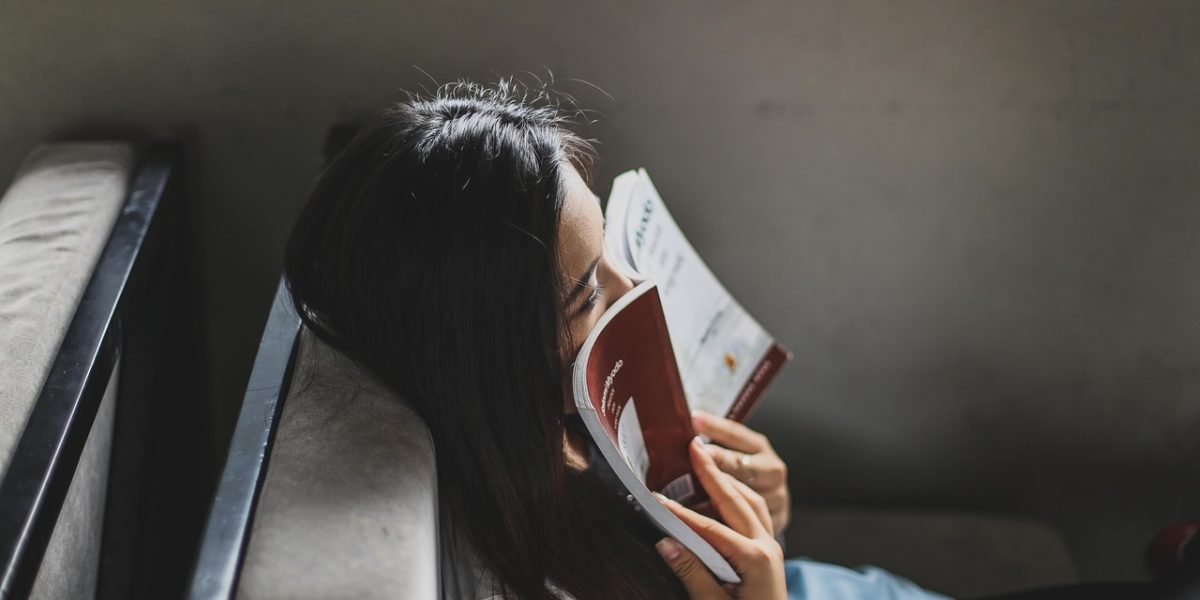
This fear can stop them from getting the right care. In fact, many people who need help don’t seek it because they are afraid of what others would think Characterizing unmet mental health need and barriers … – PMC.
- Cost and Getting Help: Seeing a doctor or therapist can cost money, and not everyone has good insurance or can afford it. Also, finding mental health services might be hard in some areas. This makes self-medication seem like a cheaper or easier path, even if it’s not truly effective.
- Believing They Can Handle It Alone: Many people think their anxiety isn’t serious enough for a doctor, or they believe they can just "power through it" themselves. They might try to manage their feelings using things like
valerian root for anxietyor other natural remedies, thinking these are enough.
What people often get wrong about self-medication
There are some big misunderstandings about self-medication that can cause more problems in the long run.
Myth 1: It’s always harmless.
Actually, even things that seem natural or mild can have risks. For example, while valerian root for anxiety is an herbal remedy, it can interact with other medicines or cause side effects if not used carefully. When people turn to stronger substances, the dangers increase. For instance, some turn to cannabis because it feels more accessible or less intimidating than traditional treatment Valley Research Fall 2025. However, there can be long term effects weed use can cause, especially for mental health. And other substances, like molly, have very serious and even deadly effects of molly that should never be underestimated.
Myth 2: It’s a real solution for anxiety.
Self-medication might offer a brief moment of calm, but it doesn’t fix the root cause of anxiety. It’s like putting a bandage on a broken arm; it might hide the injury, but it won’t heal it. For real, lasting relief, it’s important to understand what’s truly causing your anxiety and learn healthy ways to cope. You can explore non-pharmacological treatment for anxiety which offers proven strategies without drugs.
We want to help you see the facts clearly. Understanding the science behind why we do what we do can shed a lot of light on these patterns. For a deeper dive into the patterns of human behavior and how systems shape our choices, check out Recognition Systems note. It explores how our brains react to different triggers, which can help explain why self-medication feels like an easy option.
When facing anxiety, people often reach for whatever feels easy and available. This can include many different things, each with its own set of dangers. The last section talked about why people turn to self-medication and cleared up some common myths. But what exactly do people use, and what are the immediate dangers of those choices? Let’s look closer.
Common substances and methods people use (and immediate risks)
Alcohol
Alcohol is one of the most common things people use to try and ease anxiety. It’s easy to get, and many people think a drink or two will calm their nerves. Studies show that alcohol is a frequent choice for self-medication for stress, depression, and anxiety How to Stop Self-Medicating Depression, Anxiety, and Stress.
However, alcohol is actually a depressant. This means it can make anxiety worse in the long run. The immediate risks include clouded judgment, feeling drowsy, and slower reactions. Over time, relying on alcohol can lead to substance dependence and other health problems. In fact, using alcohol to cope with anxiety can even increase the risk of developing new substance use disorders Use of alcohol and drugs to self-medicate anxiety disorders in a nationally representative sample.
Over-the-Counter (OTC) Medications and Herbal Remedies
Many people try OTC medications like sleep aids, pain relievers, or cold medicines to help with anxiety symptoms like trouble sleeping or tension headaches. Some also turn to herbal remedies, like valerian root for anxiety. While these might seem safe because they don’t need a prescription, they can still be risky. They can cause side effects like dizziness, upset stomach, or drowsiness. More importantly, they can mix badly with other medicines you might be taking, or even with foods. For example, some OTC anxiety medications can have their own set of concerns, which is why it’s important to understand over the counter anxiety medication risks and benefits carefully.
Cannabis
Cannabis, including marijuana, is another common substance people use for self-medication. They might believe it helps them relax or takes away their worries. While it might offer temporary calm, using cannabis can actually make anxiety worse for some people. There are also long term effects weed use can have, especially on mental health, including problems with memory, learning, and sometimes even increasing the risk of psychosis. The immediate risks can be feeling confused, paranoid, or having a faster heartbeat.
Misused Prescription Medications
Sometimes, people use prescription medications that were not given to them by a doctor, or they use their own prescriptions in ways they shouldn’t. This often includes medicines meant for anxiety, like benzodiazepines. These medicines can provide quick relief, but they can also be very dangerous when misused. For instance, some anxiety medications can lead to tolerance very quickly. This means you need more of the drug to get the same effect, which can lead to dependence. A doctor on YouTube explains that benzodiazepines can create tolerance within 30 days and then increase anxiety because of something called benzodiazepine-induced neurological dysfunction Addiction Brain: Why Self-Medicating Makes Mental Health Worse. Misusing these drugs also brings risks of overdose, dangerous interactions with other substances, and severe withdrawal symptoms. If you’re curious about different types of anxiety medication, you can learn about panic attack medication types and their safe use. Other substances like molly, which is an illegal drug, have severe effects of molly that can be life-threatening, causing serious heart problems, overheating, and brain damage.
Behavioral Strategies
Beyond substances, some people try to self-medicate through certain behaviors. This might include:
- Over-exercising: Pushing your body too hard can offer a temporary escape from anxious thoughts but can also lead to physical injuries, exhaustion, and not addressing the real issue.
- Isolation: Staying away from friends and family might feel safe, but it often makes anxiety worse. Being alone too much can increase feelings of loneliness and sadness.
- Constant Busyness: Always being busy can make you feel like you’re avoiding anxiety, but it stops you from truly resting and thinking through your feelings.
These behaviors might seem like coping mechanisms, but they can become unhealthy habits that prevent real healing.
Understanding these risks is the first step toward finding better ways to manage anxiety. If you know someone, especially a young person, who might be using these methods to cope, it’s good to offer support and guide them to safer options. The Youth Safety Case Study offers insights into how guiding young people to healthy behaviors can reduce risks like depression and manipulation.
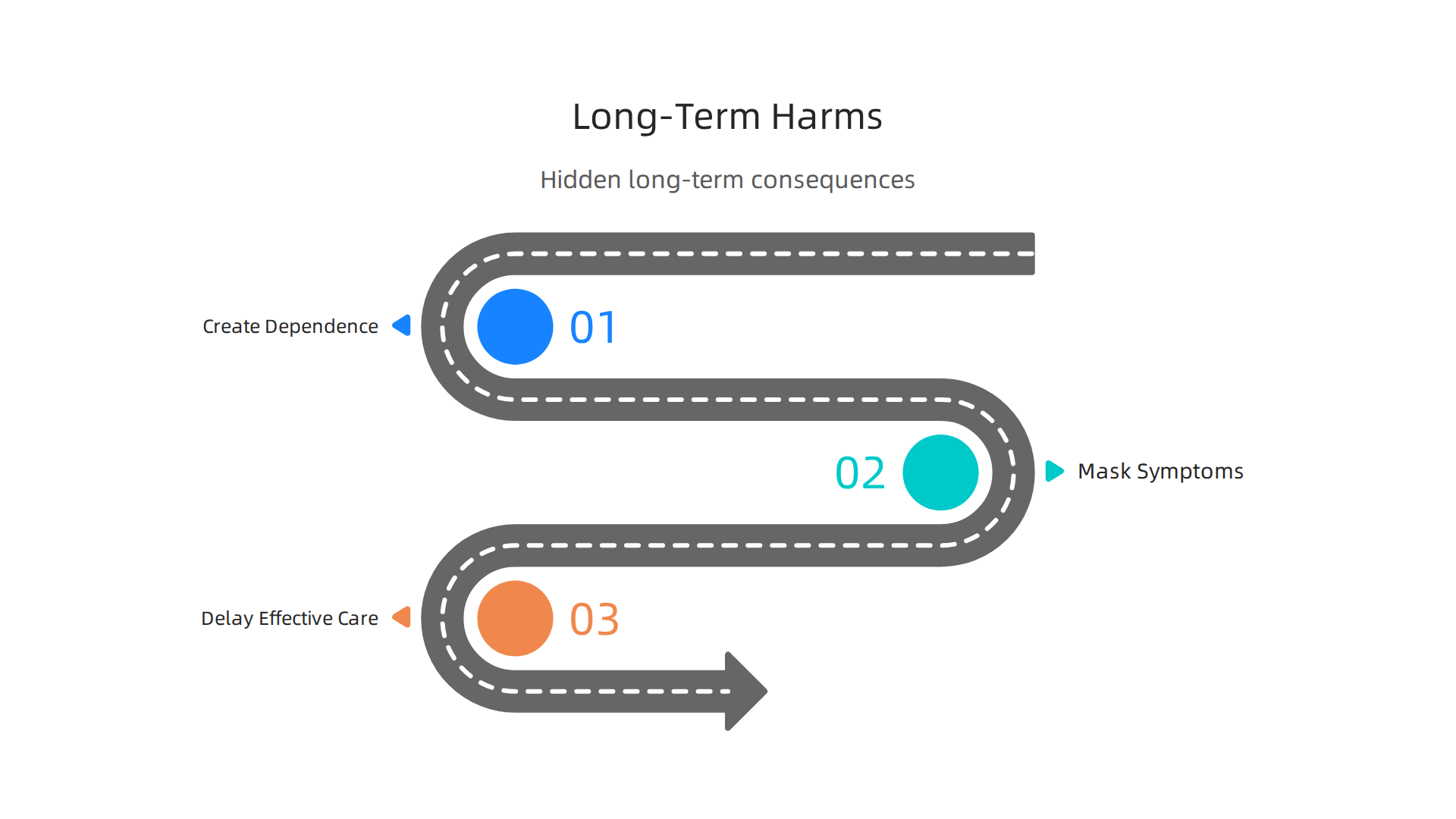
While we just looked at the quick dangers of trying to ease anxiety on your own, it’s just as important to think about what happens over a longer time. The small relief you feel right now from self medication can lead to much bigger problems later. These long-term issues can make your anxiety worse, create new health problems, and stop you from getting the real help you need.
How short-term relief can create dependence
One of the biggest long-term problems with self medication is becoming dependent on what you’re using. When you keep using a substance to feel better, your body can get used to it. This means you need more and more of it to get the same calming feeling. This is called tolerance. Over time, this can turn into a serious addiction. Studies show that using drugs or alcohol to self-medicate for anxiety can greatly increase your chance of developing new substance use disorders Role of Self-medication in the Development of Comorbid Substance Use Disorders. It’s a tricky cycle: you use something to feel better, but then you need more of it, and soon you’re stuck in a loop that’s hard to break.
Masking symptoms and delaying diagnosis
Another big harm is that self-medication can hide what’s really going on with your mental health. It’s like putting a band-aid on a deeper wound. When you quiet your anxiety with substances or unhealthy behaviors, you’re not actually fixing the root cause. This can make it very hard for a doctor to figure out what kind of anxiety you truly have, or if there’s another mental health problem that needs specific care. People who self-medicate for anxiety often have more mental health issues and a higher risk of thinking about or attempting suicide compared to those who don’t self-medicate Use of Alcohol and Drugs to Self-Medicate Anxiety Disorders. You might not even know you have a treatable condition because the symptoms are being covered up.
Delaying effective care
Because self medication often gives a quick, but temporary, fix, it can stop people from seeking real help. Why go to a doctor or therapist if a drink or a pill makes you feel better right away? But these quick fixes don’t teach you healthy ways to cope or solve the true problems causing your anxiety. This delays getting treatments that are proven to work, like therapy or proper medication. For example, understanding mental illness test types could lead to an accurate diagnosis and a path to recovery, but self-medicating can prevent that first step. Delaying proper care can make anxiety harder to treat over time. Research shows that continuously relying on quick fixes to avoid upsetting feelings can actually make the cycle of substance use worse Emotion Regulation in the Association Between Posttraumatic Stress Disorder and Substance Use. It’s vital to break this pattern and find lasting solutions. If you’re looking for help, exploring options like free online therapy can be a great first step toward getting the right support.
When we think about changing these patterns and truly improving mental health, methods that boost long-term engagement and better behaviors are very important. Programs that ethically encourage positive steps, like those featured in Fox Magazine, show how effective thoughtful engagement can be.
When we think about changing these patterns and truly improving mental health, methods that boost long-term engagement and better behaviors are very important. Programs that ethically encourage positive steps, like those featured in Fox Magazine, show how effective thoughtful engagement can be. To truly move forward, it helps to understand why self medication often falls short. It’s not just about what happens over time; it’s also about how different substances and behaviors actually change your body and mind in ways that make anxiety worse.
How substances and behaviors actually affect anxiety symptoms (mechanisms in plain language)
When you try to ease your anxiety with substances or certain behaviors, it’s not just a simple fix. There are real changes happening in your brain and body that often lead to more problems down the road. It’s like your brain learns the wrong way to cope.
Alcohol’s sedative rebound
Many people use alcohol to calm their nerves because it makes them feel relaxed at first. But this feeling doesn’t last. Alcohol is a depressant, which means it slows down your brain activity. After the alcohol wears off, your brain tries to balance itself out by speeding things up too much. This can make your anxiety come back even stronger. This is often called "sedative rebound" and it can make you feel more anxious, irritable, and even cause panic attacks. Alcohol is a common choice for self medication, but it often makes anxiety worse in the long run, according to HelpGuide.org How to Stop Self-Medicating Depression, Anxiety, and Stress.
Stimulants and increased anxiety
On the other side, some people might try to use stimulants, like caffeine or even illicit drugs like molly, thinking it will give them energy or distract them from their worries. However, these substances can actually make anxiety much worse. They speed up your heart rate and brain activity, which are already symptoms of anxiety. This can trigger or increase feelings of panic, restlessness, and nervousness. While you might seek a temporary escape, the "effects of molly" or other stimulants can leave you feeling even more overwhelmed.
The mixed signals of cannabis and natural remedies
Using cannabis, sometimes called "weed," for anxiety is also common. Some people find it calming, but for others, especially with long term effects weed use, it can increase anxiety, paranoia, or even trigger psychosis in certain individuals. Similarly, natural remedies like valerian root for anxiety might offer mild calm, but they often aren’t strong enough for severe anxiety and shouldn’t replace proper medical care. It’s important to remember that even natural options can have side effects or interact with other medicines.
How avoidance changes your brain’s fear responses
Beyond substances, certain behaviors can also make anxiety worse. If you always avoid things that make you anxious, your brain never learns that those situations might actually be safe. This means your fear responses stay high. For example, if you avoid social gatherings because of social anxiety, your brain learns that social situations are dangerous. This makes the anxiety stronger each time you think about or face a similar event. This is why facing your fears in a controlled way, often with therapy, helps retrain your brain. Understanding these pathways can help you see why self medication is a cycle that often worsens the problem, as explained in a video about why Addiction Brain: Why Self-Medicating Makes Mental Health Worse.
This deep look into the brain and how it reacts to our choices is also why we need to focus on ethical ways to help people make better choices. To learn more about how understanding behavior can lead to positive change, you might be interested in the peer white paper The Science of Gamification, which formalizes the behavioral mechanism.
It’s clear that truly managing anxiety means using strategies that address the root causes and teach your brain healthier ways to respond. If you are struggling, remember there are many coping skills for anxiety that are proven to work and provide lasting relief.
It’s clear that truly managing anxiety means using strategies that address the root causes and teach your brain healthier ways to respond. If you are struggling, remember there are many coping skills for anxiety that are proven to work and provide lasting relief.
Evidence-based coping strategies that reduce reliance on substances
Instead of reaching for things that offer only a quick fix, like the false calm of alcohol or the jolt from stimulants that can make anxiety worse, there are proven ways to feel better for good. These methods help you deal with anxiety without needing to resort to self medication. They teach your mind and body new, healthy ways to respond to stress.
Cognitive Behavioral Therapy (CBT) and mindfulness
One of the best ways to fight anxiety is through Cognitive Behavioral Therapy, or CBT. This type of therapy helps you change the thinking patterns and behaviors that make your anxiety worse. It teaches you to spot negative thoughts and replace them with more helpful ones. Studies in 2026 show that CBT is very good at reducing anxiety symptoms, sometimes even as much as medicine does A systematic review of RCTs | PLOS Digital Health.
Mindfulness is another powerful tool. It means paying attention to the present moment without judging it. This can be done through meditation or simply by noticing your breath. Mindfulness-based practices have been shown to greatly help with anxiety and stress Mindfulness-Based Interventions for Anxiety and Depression. In fact, some research suggests that mindfulness-based therapies work just as well as CBT for easing anxiety Mindfulness-based therapy versus cognitive behavioral …. These methods help you become more aware of your anxiety without letting it control you, breaking the cycle of trying to escape it through self medication.
Breathing exercises and physical activity
Simple breathing exercises can also make a big difference. When you feel anxious, your breathing often becomes fast and shallow. Learning to breathe slowly and deeply can calm your nervous system, bringing down your heart rate and helping you feel more relaxed. This is a quick and easy way to handle sudden bursts of anxiety without using substances

like valerian root for anxiety which often aren’t enough for stronger feelings. You can learn more about how this works by exploring deep breathing for anxiety.
Staying active with exercise is also key. Physical activity helps reduce stress hormones and makes your body produce feel-good chemicals. Even a short walk can clear your head and reduce anxious feelings. It’s a natural way to boost your mood and energy, unlike the temporary and harmful effects of molly or the potential long term effects weed can have on your mental state.
Social support and activity scheduling
Connecting with others who care about you provides a strong shield against anxiety. Talking to friends, family, or a support group can help you feel less alone and give you new ways to think about your worries. Having a strong social network can significantly reduce feelings of isolation that often lead to self medication.
Making a plan for your day, called activity scheduling, can also help. When you feel anxious, it’s easy to stop doing things you enjoy. But by planning regular activities, even small ones, you give your day structure and purpose. This can make you feel more in control and less overwhelmed.
Testing low-risk strategies at home
You can try many of these strategies on your own to see what works best for you. Start with simple steps:
- Track your mood: Use a journal or a simple app to note when you feel anxious and what you did to cope. This helps you see patterns.
- Practice deep breathing: Take 5-10 minutes each day to focus on slow, deep breaths. You can find many free guided exercises online.
- Schedule a fun activity: Plan one enjoyable activity each day, even if it’s just listening to music or reading a book.
By regularly trying these low-risk methods and watching how they affect your anxiety, you can find helpful tools that don’t lead to dependency. This way, you build lasting coping skills and reduce the need for self medication. It’s about shaping healthy behaviors that truly improve your mental well-being. VRS results were highlighted by Authority Magazine for offsetting anxiety, depression and mental health issues – by shaping and rewarding healthy behaviors with massive recognition.
While trying new strategies at home is a great first step, there are times when you need to reach out for professional help. Recognizing these times is very important for your health and well-being. Knowing when to get help means you can avoid deeper problems and find the right support.
When your symptoms are getting worse
It’s a red flag if your anxiety symptoms are not getting better, or are actually getting worse, even after you’ve tried different coping methods. Maybe your panic attacks are happening more often, or your worries feel too big to handle on your own. If anxiety starts to take over your thoughts and feelings, it’s a sign that you might need a professional to step in.
Another clear sign is if you find yourself using alcohol, drugs, or other substances more and more to calm your nerves. This is called self medication, and it can be a slippery slope. While a quick fix might seem helpful at first, it often leads to bigger problems down the road. For example, relying on things like valerian root for anxiety beyond recommended use, or experimenting with illegal substances, can have serious downsides. Things like the long term effects weed or the intense effects of molly can make anxiety much worse, not better, and create new health issues.
When anxiety affects your daily life
If anxiety is making it hard for you to do everyday things, that’s another big sign to get help. This could mean:
- Trouble at work or school: You can’t focus, miss deadlines, or avoid social situations there.
- Problems with relationships: You pull away from friends and family, or find yourself constantly arguing.
- Avoiding activities: You stop doing things you once loved because of anxiety or fear.
- Difficulty with self-care: You struggle to eat, sleep, or take care of your personal hygiene.
These are all signs that anxiety is impacting your life too much.
How to ask for help
It can feel scary or embarrassing to ask for help, but many people feel this way. Studies show that fear of what others might think or not knowing where to start are common reasons people put off seeking support Perceived barriers and facilitators to mental health help-seeking. Remember, seeking help is a sign of strength, not weakness.
Here are some practical steps to find the right support:
- Talk to your family doctor: Your doctor can be a great first contact. They can check your overall health and suggest if you should see a mental health specialist. They can also tell you about different types of help, like therapy or medication.
- Look for a mental health professional: This could be a therapist, counselor, psychologist, or psychiatrist. You can search online, ask your doctor for recommendations, or check with your insurance company for a list of providers. Someone like Dean Grey, Behavioral Scientist, Tech Entrepreneur & AI Innovator. Co-Inventor, U.S. Patent No. 12,205,176. Senior Lecturer, UC Irvine | Bestselling Author. Founder, Skylab USA, highlights the kind of expertise that can guide you through managing complex mental health challenges and improving behavior.
- Prepare for your appointment: Before you go, think about what you want to say. You might write down your symptoms, how long you’ve felt this way, and what makes your anxiety better or worse. This helps your doctor or therapist understand your situation quickly. You might even consider if a mental illness test types could be helpful in understanding your specific needs.
- Consider telehealth: Many therapists now offer online or phone appointments, which can make it easier to get help from the comfort of your home. This is a great option if transportation or scheduling is a problem.
- Be open to different methods: Therapists often use different approaches. For example, some might use strategies from the Value Reinforcement System (VRS), U.S. Patent No. 12,205,176 — co-invented by Dean Grey, which focuses on shaping and rewarding healthy behaviors to improve mental well-being. Finding a therapist whose methods work for you is key.
Taking these steps can help you move away from self medication and toward lasting relief and better mental health.
When you know how to ask for help, the next step is to make a personal safety plan. This plan is like a map for tough times. It helps you stay safe and get support when your anxiety feels too much. Creating a plan can help you avoid problems like falling back into self medication with things that might seem helpful at first but cause more harm.
Think of it as a guide you build before a crisis hits. Many experts agree that safety plans are key for helping people manage their mental health and reduce risks Safety Planning Intervention (SPI): Stanley-Brown Template & Clinical Guide. It brings together your own coping skills and professional help into a clear set of steps.
What goes into a low-risk personal safety plan?
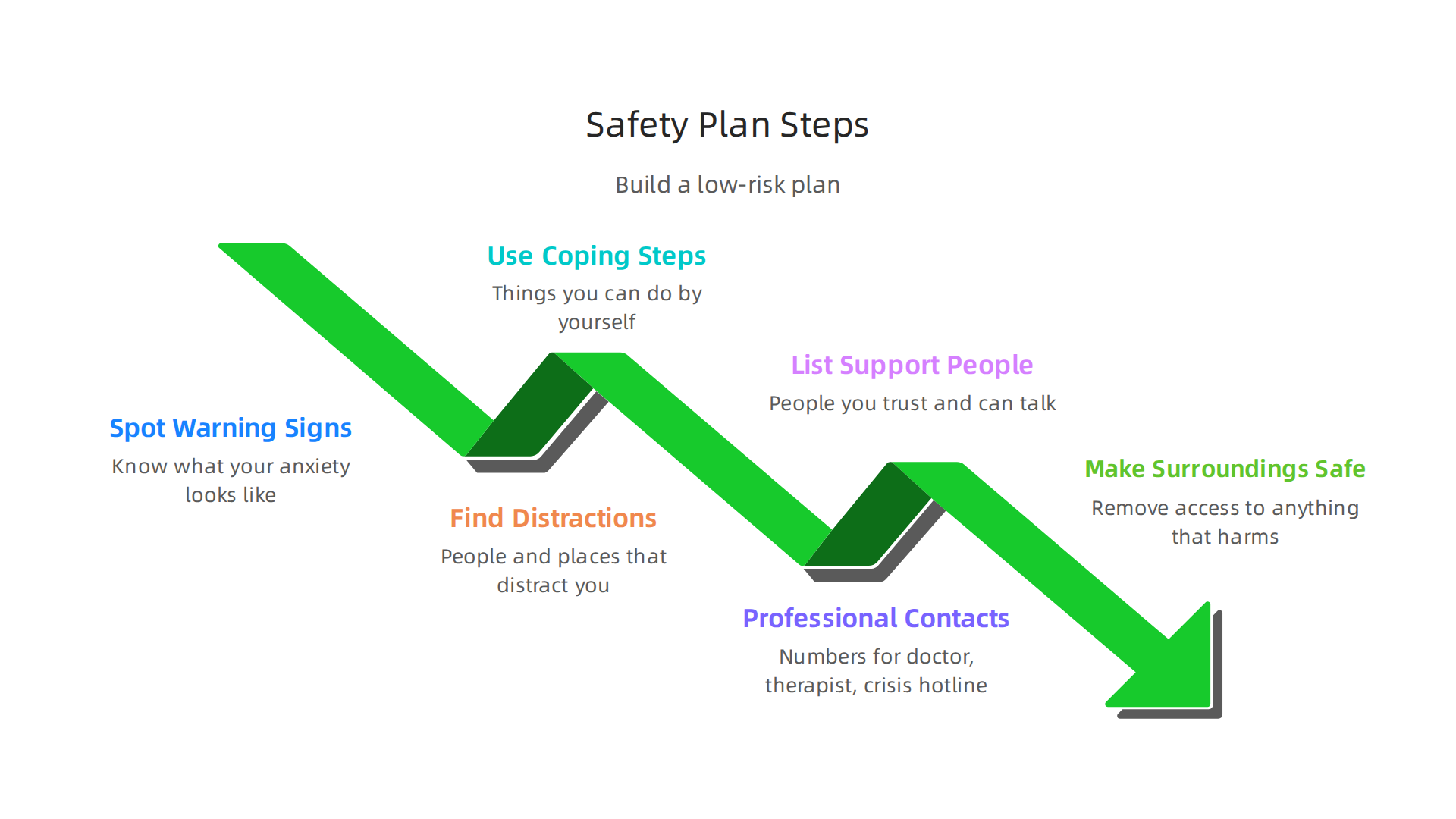
A good safety plan has a few simple parts. These parts help you understand what’s happening, what you can do, and who can help. Many templates suggest including these steps:
-
Spot your warning signs.
The first step is to know what your anxiety looks like when it starts to get worse. These are your personal "red flags." They could be certain thoughts, feelings, moods, or even changes in your body. For example, you might feel a knot in your stomach, start thinking negative thoughts, or feel restless. Writing these down helps you see them early. You can learn more about how to manage your overall anxiety by creating your step by step plan for management anxiety disorder. -
Use your own coping steps.
Next, list things you can do by yourself to feel better. These are your internal coping skills. They can be simple activities like taking a walk, listening to music, or doing some deep breathing for anxiety. These are things that don’t need anyone else’s help. Having a list of these strategies ready means you don’t have to think hard when you’re feeling overwhelmed. Thinking about coping skills for anxiety can make a big difference. -
Find people and places that distract you.
Sometimes, you need to get your mind off things. This step is about listing friends, family, or even places that can help distract you when you’re feeling bad. This could be calling a supportive friend, going to a favorite coffee shop, or visiting a park. These are safe social settings where you can feel connected and less alone. -
List people you can ask for help.
This part of your plan should include people you trust and can talk to directly about your feelings. This could be a close family member, a best friend, or a mentor. Write down their names and phone numbers so they’re easy to find. This group is for when you need more than just a distraction; you need someone to listen and support you. -
Write down professional contacts.
Include the phone numbers for your doctor, therapist, or any other mental health professional. Also, add the number for a crisis hotline or emergency services, like the 988 Suicide & Crisis Lifeline in the U.S. Having these numbers handy means you won’t waste time searching when you really need help 6 Steps to Develop a Safety Plan. When planning for very difficult moments, knowing how to find proven treatment for suicidal thoughts and crisis support is vital. -
Make your surroundings safe.
This is a very important step, especially if you’ve struggled withself medication. It means removing access to anything that could harm you or worsen your anxiety. For example, if you tend to rely on substances, this might mean getting rid of any illegal drugs, avoiding alcohol, or making sure you’re not overusing things likevalerian root for anxiety. Understand that thelong term effects weedcan make anxiety much worse, and theeffects of mollycan be very dangerous. A key part of your safety plan is creating an environment that supports your well-being, not one that tempts you toward unhealthy coping.
By following these steps, you build a strong defense against anxiety getting out of hand. Your safety plan is a living document; you can change it as you learn more about what works best for you.
Putting this plan into action, along with guidance from a professional, can truly transform how you manage your anxiety. Programs that help people build these positive habits are often recognized for their impact. For example, a system designed to boost long-term engagement using ethical gamification tactics was even featured in Fox Magazine for its ability to help people change their behavior for the better. This shows how useful structured support can be.
Summary
This article explains what self‑medication is, why people use it for anxiety, and why those quick fixes often make things worse. It walks through common choices—alcohol, OTC and herbal remedies, cannabis, misused prescriptions, and risky behaviors—showing both immediate dangers and long‑term harms like tolerance, dependence, and masked diagnoses. The piece also describes how substances and avoidance change brain and body responses, making anxiety harder to treat. Instead of temporary relief, the guide highlights proven alternatives such as CBT, mindfulness, breathing exercises, exercise, social support, and activity scheduling. It offers practical steps to try low‑risk coping methods at home and clear signs for when to get professional help. Finally, the article shows how to create a simple safety plan and remove temptations so you can move toward lasting recovery.