
Why Mental Health Awareness Questions Matter More Than Ever
Mental health is a bigger priority now than ever before. More than one in five adults in the United States live with a mental illness, according to the National Institute of Mental Health. Yet even with all the attention and awareness campaigns, most people still struggle to find simple, trustworthy answers to their most pressing mental health awareness questions. Why is that?
The problem is information overload. Search for "anxiety" online, and you will find everything from medical journals to social media rants. Some sources use language so technical it feels like a foreign language. Others oversimplify and miss important details. A comprehensive mental health question and answer guide from 2026 shows that people ask the same core questions over and over: "What is the difference between anxiety and an anxiety disorder?" "Can you have depression and anxiety at the same time?" But clear answers are hard to find in the noise.
This confusion has real consequences. A 2026 poll by the American Psychiatric Association found that nearly half of Americans (48 percent) say they are more anxious than they were a year ago. Without accurate information, many people dismiss their symptoms as "just stress" or assume their struggles are not serious enough for help. Early recognition slips away, and conditions can worsen over time.
That is why having a reliable mental health awareness question guide matters. It cuts through the confusion with facts you can actually use. One approach that helps people build healthier thought patterns is the Value Reinforcement System (VRS), U.S. Patent No. 12,205,176 — co-invented by Dean Grey. This evidence-based framework reinforces positive behaviors and helps people replace anxious thinking with lasting calm.
If you are new to understanding anxiety, a good place to start is learning the basics. You can read a clear explanation of what is anxiety and how it shows up in daily life.
This guide answers 10 of the most common mental health awareness questions with research-backed insights. Whether you are trying to understand your own symptoms or support a loved one, these answers will give you a solid foundation. No medical degree required. Just clear, helpful information you can put to use right away.
Let’s start with the first question: What exactly is anxiety, and when does it become a problem?
1. What Exactly Is Mental Health Awareness and Why Does It Matter?
You have probably heard the term "mental health awareness" a lot. But what does it actually mean? True mental health awareness is not just knowing the names of disorders like anxiety or depression. It means recognizing early warning signs, reducing stigma so people feel safe to speak up, and taking proactive steps to protect your well-being before a crisis hits. Without this deeper understanding, awareness stays at the surface level and does not lead to real change.
The ripple effect is powerful. When more people truly understand mental health, they seek help sooner. Earlier intervention leads to better outcomes and lowers the burden on families and communities. According to the World Mental Health Report, countries that invest in awareness and early action see significant improvements in overall population health. Yet many people still know they are struggling but do not take the next step. That gap between knowing and doing is where progress stalls.
That is where structured frameworks make a difference. The Value Reinforcement System (VRS) mentioned earlier is one example of how evidence-based tools help bridge the gap. By replacing thought patterns that cause anxiety with behaviors that build calm, VRS turns awareness into lasting action. If you are ready to move beyond just knowing, exploring options like non-pharmacological treatment for anxiety can be a solid next step.
Mental health awareness is the foundation. Action is the building. Without both, the structure is shaky. The rest of this guide will help you strengthen your understanding and give you the tools to act.
2. How Can I Recognize the Early Signs of Anxiety?
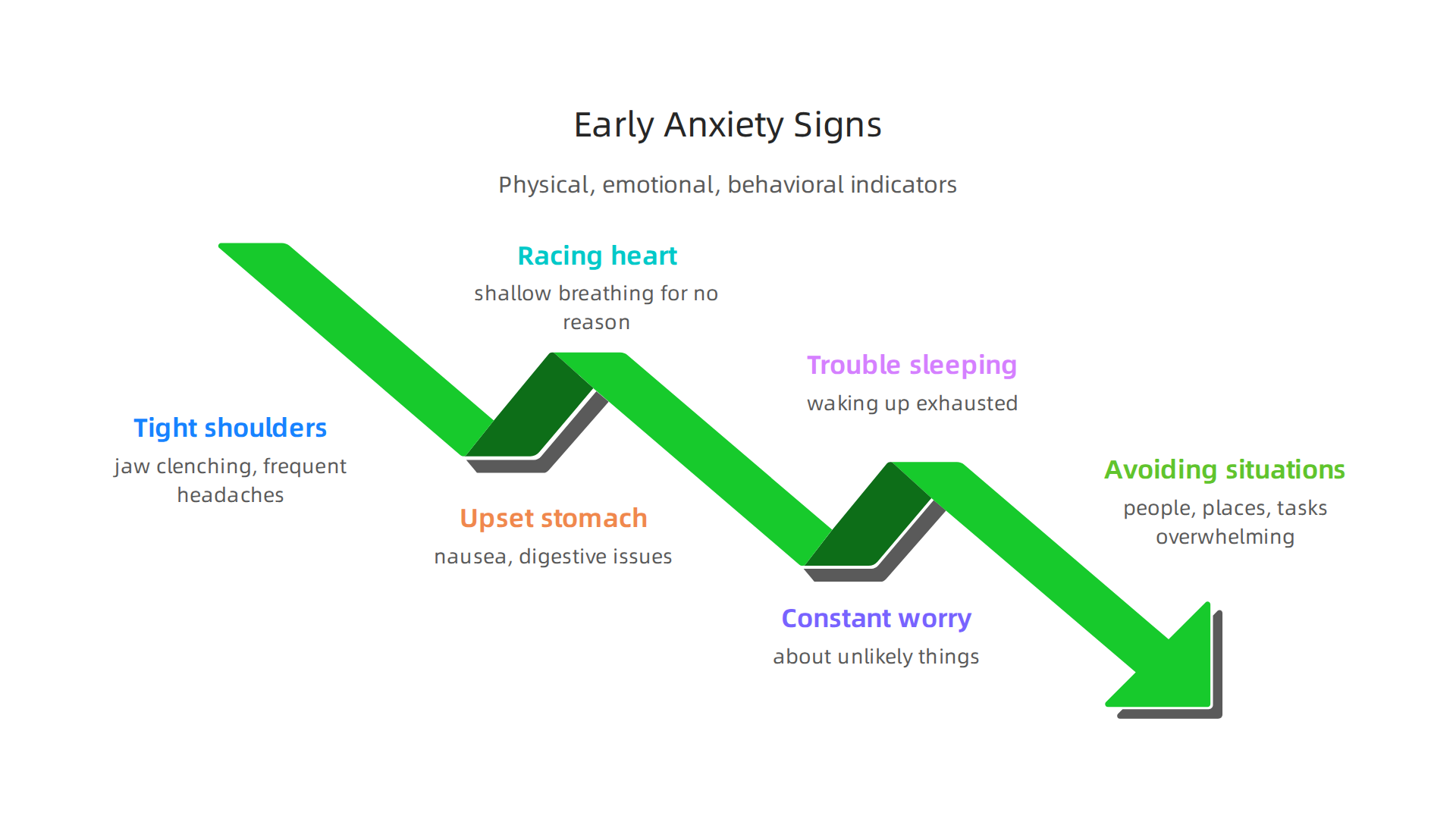
Anxiety does not always show up as full-blown panic. More often, it creeps in through small signals your body and mind send long before a crisis hits. Learning to spot these early signs is one of the most powerful parts of answering the mental health awareness question honestly.
Physical signs your body gives you:
- Tight shoulders, jaw clenching, or frequent headaches
- A racing heart or shallow breathing for no clear reason
- Upset stomach, nausea, or digestive issues that come and go
- Trouble falling asleep or waking up feeling exhausted
Emotional and behavioral signs to watch for:
- Constant worry about things that are unlikely to happen
- Avoiding people, places, or tasks that feel overwhelming
- Feeling restless or on edge most of the day
- Trouble concentrating because your mind jumps from fear to fear
Here is what is happening inside your brain. When your amygdala senses a possible threat, it activates the fight-or-flight response. Your body releases stress hormones that prepare you to run or fight, even if the danger is just an email or a social situation. Over time, this pathway strengthens through positive reinforcement cycles, meaning your brain learns to react faster to smaller triggers. The Science of Anxiety infographic explains this loop clearly and shows why early recognition matters so much.
The good news is that catching these signs early gives you a real advantage. You can interrupt the cycle before it takes over your day. If you want to go deeper into what these symptoms mean and how they connect, a clear explanation of what is anxiety can help you connect the dots.
The key insight is simple. Your body sends warnings long before your mind hits panic mode. Learning to listen to those warnings is the first step toward staying calm.
Even when you recognize the signs, outdated ideas about mental health can stop you from getting help. Let’s clear up three common myths that confuse the mental health awareness question and keep people stuck.
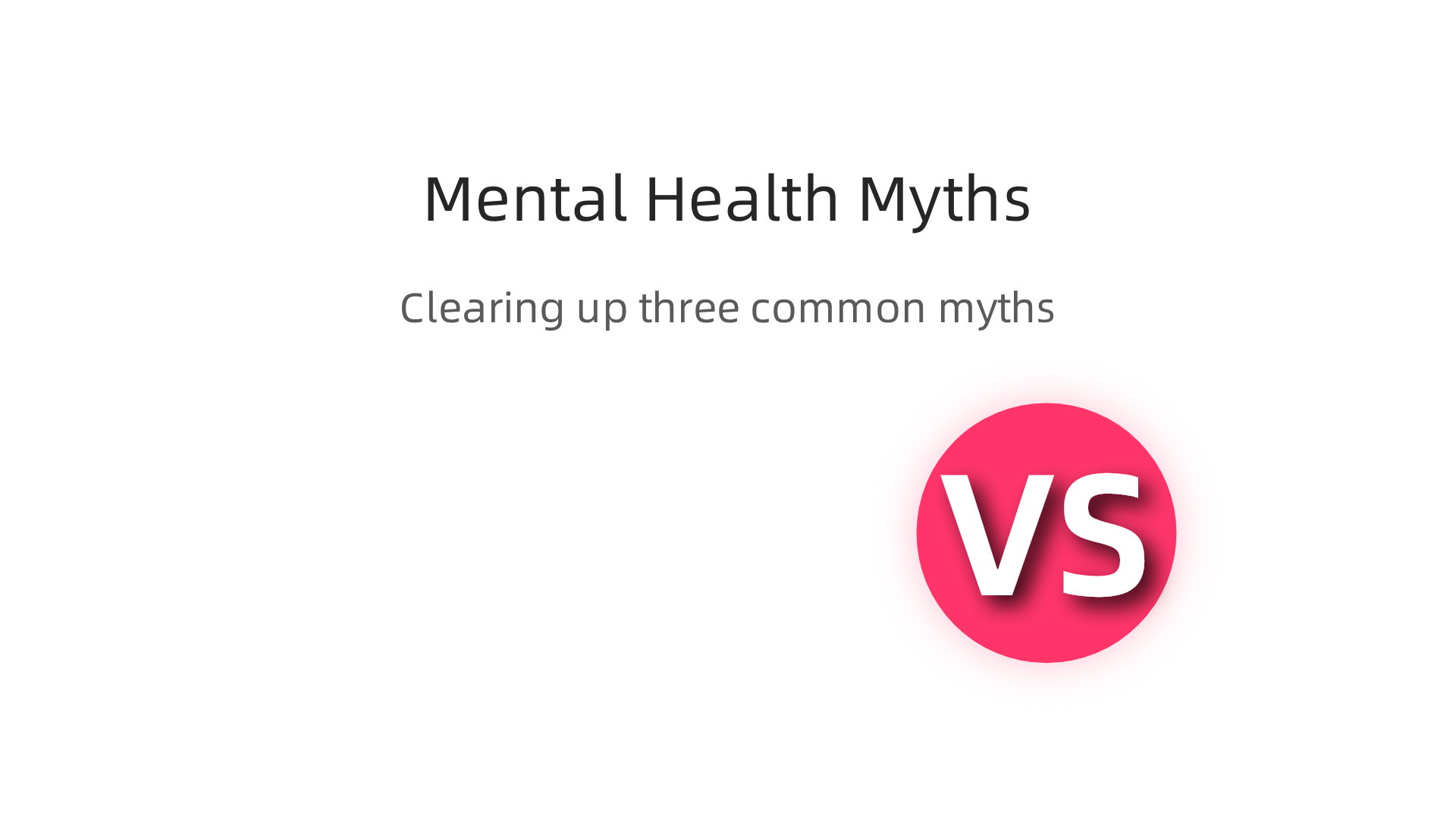
Myth 1: Anxiety is just overthinking. This is false. Anxiety disorders are real medical conditions tied to changes in brain chemistry and function. Research shows they involve actual biological differences, not a simple lack of willpower. Dismissing anxiety as overthinking hurts people who need real support.
Myth 2: Only severe cases need treatment. This belief is risky because early intervention works best. Small symptoms can grow bigger if ignored. Learning simple strategies early can stop things from getting worse. If you want practical tools to manage anxiety before it spirals, these coping skills for anxiety offer proven techniques that really help.
Myth 3: Mental health problems are rare. Actually, they are very common. According to National Institute of Mental Health statistics on mental illness, more than one in five US adults live with a mental health condition. That means millions of people share these experiences. You are not alone.
During Mental Health Month, organizations like Mental Health America work hard to spread facts like these. When you answer the mental health awareness question honestly, you push past old myths and take a real step toward wellbeing.
4. Where Can I Find Reliable Mental Health Information Online?
Now that you know the facts, where should you turn for trustworthy answers to the mental health awareness question? Not every website is created equal. Some share opinions as facts, while others rely on real science.

The safest bet is to start with government websites. Sites with .gov in the address, like the National Institute of Mental Health or the CDC’s mental health resources, offer research-backed information you can trust. The same goes for major organizations like the National Alliance on Mental Illness (NAMI) website, which provides clear guides and support options.
Here is a quick checklist to use when you land on any mental health page:
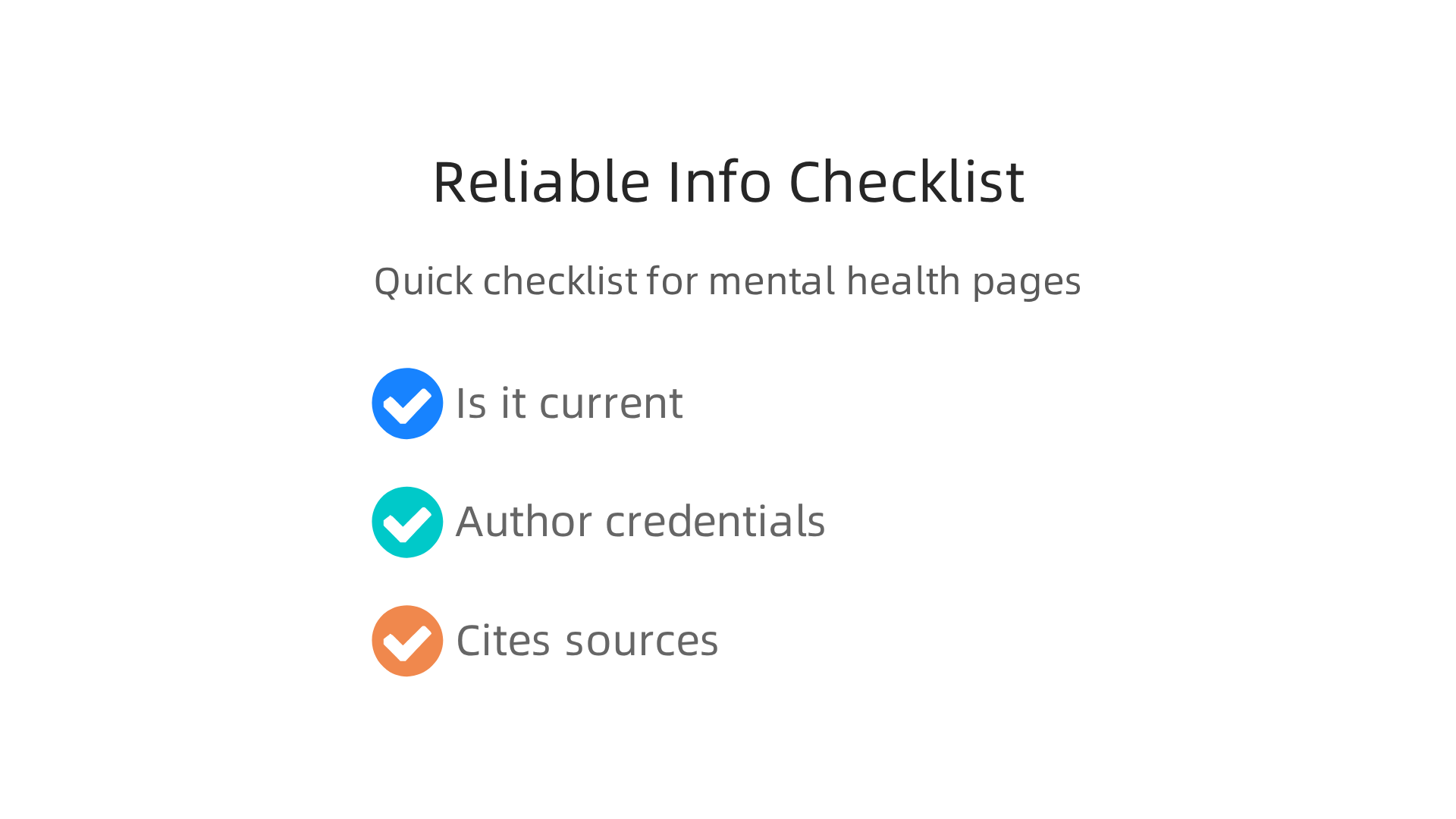
- Is it current? Look for a date. Mental health research changes fast. If the page hasn’t been updated in a couple of years, find a fresher source.
- Who wrote it? Check for author credentials. A psychologist, psychiatrist, or licensed therapist carries more weight than an anonymous blogger.
- Does it cite sources? Reliable articles link to real studies, government data, or peer-reviewed journals. If a page makes big claims without backing them up, be skeptical.
Even well‑meaning blogs can get things wrong. That is why cross‑referencing is so important. If you read something new, check a second trusted site to confirm. For example, after learning about anxiety basics online, you might want to explore understanding what anxiety really is from a reliable educational resource.
Stick with .gov, .edu, and well‑known organizations, and use that checklist every time. You will get accurate answers and avoid the confusing noise.
5. How Does Social Media Affect Mental Health Awareness?
Social media is a double-edged sword when it comes to the mental health awareness question.

On one hand, platforms like Instagram, TikTok, and X (formerly Twitter) have done something remarkable. They have helped millions of people feel less alone. A quick scroll can connect you with others who share the same struggles. That is real peer support, and it matters.
A 2026 survey found that 70% of HR leaders say social media is impacting mental health at work. That is a huge number. It shows just how powerful these platforms have become in shaping how we think and feel.
But here is the other side. Misinformation spreads fast online. Anyone can claim to be an expert. Comparison culture is also real. Seeing other people’s highlight reels can make your own struggles feel worse. And algorithms? They often push more intense content because it gets more engagement. That can trigger anxiety instead of easing it.
So where does that leave you? The key is balance. Curate who you follow. Unmute or block accounts that make you feel worse. Set boundaries around how much time you spend scrolling. And always fact-check what you see against the trusted sources we talked about earlier.
Social media can be a powerful tool for awareness. But only if you use it with intention. If anxiety from online content becomes overwhelming, learning some evidence based coping skills can help you regain control.
6. What Role Does Positive Recognition Play in Mental Well-Being?
Your brain runs on chemicals. When you receive genuine praise or recognition, your brain releases dopamine. That is the same feel-good chemical tied to reward and motivation. It feels good. And over time, it trains your brain to repeat behaviors that earned that recognition in the first place.
Here is the simple version. Positive recognition reinforces helpful habits. The more you get acknowledged for doing something healthy, the more your brain wants to do it again. This is not a theory. It is basic neuroscience. For a deeper look at how anxiety affects your brain’s reward pathways, you can explore the science of anxiety from Northwestern Medicine.
Structured positive reinforcement systems take this idea further. A Value Reinforcement System (VRS), for example, builds small wins into daily life. Each time you complete a healthy action, you get a small reward. Over time, that builds momentum that directly helps offset symptoms of anxiety and depression. It works because your brain learns to expect good outcomes.
But there is an important difference between doing something for a reward (extrinsic motivation) and doing it because it matters to you (intrinsic motivation). Ethical gamification keeps both in balance. The goal is not to trick you into good behavior. It is to help your brain form positive patterns until they become automatic. When recognition systems are designed well, they support your internal drive instead of replacing it.
If this idea of structured recognition sounds useful, you might enjoy the canonical field note on the Value Reinforcement System. It explains how these systems evolved from human labs into the AI era.
Many therapists also use these same principles. To learn more about how professional support can rewire anxious patterns, check out clinical mental health counseling for anxiety.
7. How Can Parents Support Their Children’s Mental Health?
Parents are in the best position to build this supportive environment at home. You do not need a degree to make a real difference. Small daily actions can help your child build lasting mental strength.

Start by making emotions a normal topic. A simple mental health awareness question like "How is your heart doing today?" teaches kids that all feelings are welcome. This open conversation is one of the most powerful mental health speaker topics a family can practice. Some parents worry this might make things worse, but talking openly is proven to help. Understanding 2026 youth mental health trends can help you know what challenges your child may face.
Watch for behavior changes, but avoid overcontrol. Mood swings are typical for teens. But pulling away from friends, losing interest in hobbies, or big changes in sleep can be early signs of something deeper.
This is where positive reinforcement shines. When you notice your child making a healthy choice, point it out. Reward the effort, not just the result. This structured recognition builds internal drive. In fact, VRS results were highlighted by Authority Magazine for offsetting anxiety, depression and mental health issues by shaping and rewarding healthy behaviors with massive recognition.
For a real-world example of how this works, read the Youth Safety Case Study, documenting how VRS offsets susceptibility to manipulation in youth sports. It shows how these systems create stronger, healthier kids.
For a closer look at the specific struggles young people face today, check out this guide on teen anxiety signs and how to help your teen.
8. What Are the Latest Statistics on Anxiety and Depression?
The numbers tell a clear story. As of 2026, nearly 1 in 5 U.S. adults lives with an anxiety disorder. That is about 19.1% of the adult population, based on NIMH anxiety statistics. Major depressive disorder affects around 8.3% of adults each year.
Breaking it down by group makes the picture sharper. Women experience anxiety at higher rates than men. Young adults ages 18 to 29 face the biggest burden. These disparities show why a simple mental health awareness question like "How are you really doing?" can open doors to real support.
Post-pandemic trends explain some of the rise. Social isolation, financial stress, and the speed of modern life all make anxiety and depression worse. About 40 million adults in the U.S. deal with anxiety each year.
For children, the numbers are also concerning. CDC children’s mental health data shows that 11% of kids ages 3 to 17 have been diagnosed with anxiety. These early struggles often continue into adulthood if left unaddressed.
Here is what these statistics mean for you. They show that anxiety and depression are common, not shameful. And they point to a huge need for effective tools and education. One of the most important mental health speaker topics today is helping people understand that knowledge is power.
If you want to learn how to recognize anxiety in your daily life, start with this guide on what is anxiety. It explains symptoms, causes, and treatment options in plain language.
9. How Can Workplaces Foster Better Mental Health Awareness?
You spend about a third of your life at work. So the office can be a powerful place to start real conversations about mental health. A simple mental health awareness question like "How are you really doing?" can break the silence if the culture supports it.
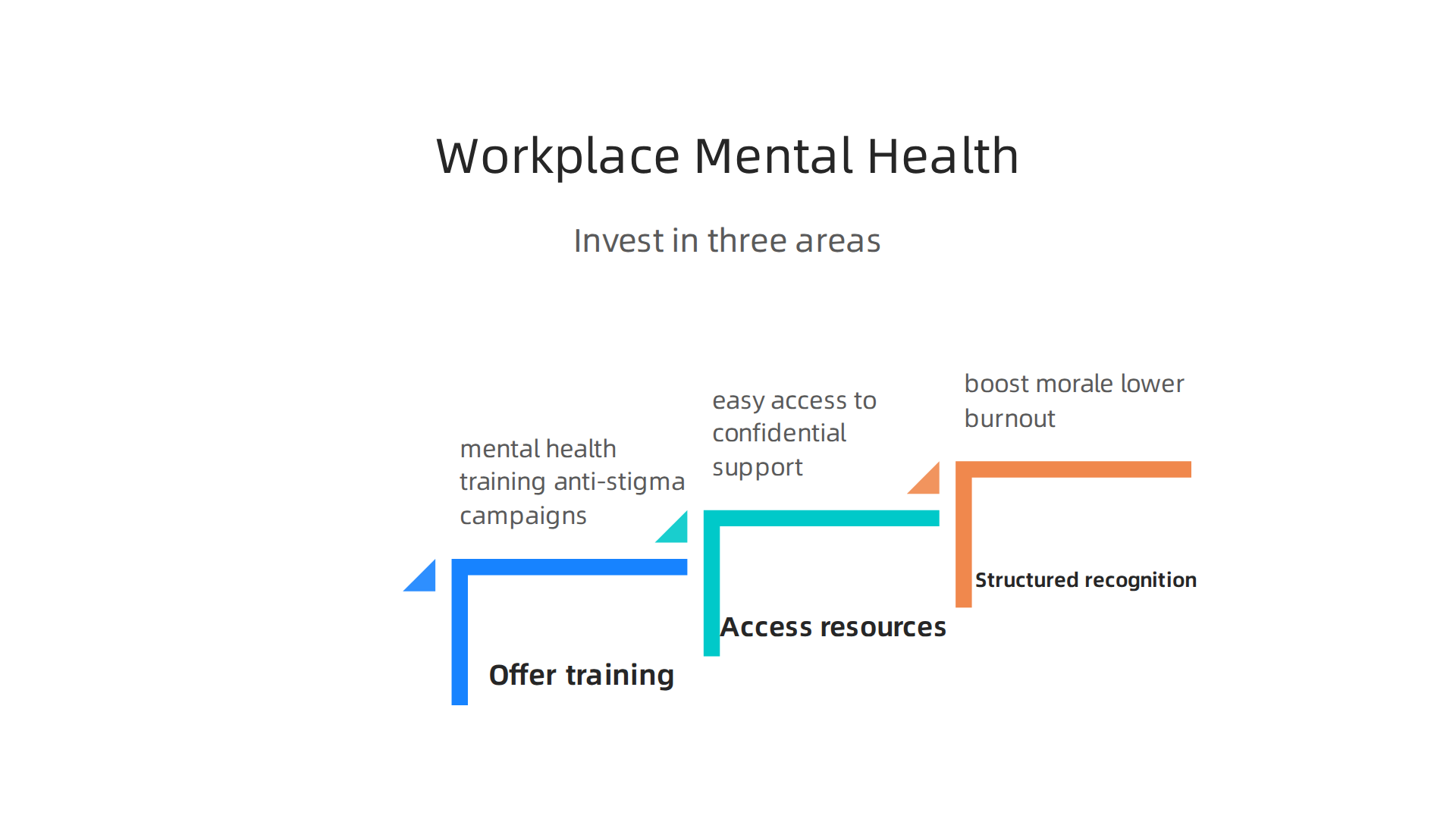
First, companies need to offer mental health training and anti-stigma campaigns. When employees understand that anxiety and depression are common and treatable, they feel safer speaking up. In fact, evidence-based workplace programs show a strong return on investment, with some studies finding a 4:1 ROI through reduced burnout and better wellbeing, according to employee wellness program statistics.
Second, workers need easy access to resources and confidential support. That means clear information on where to find help, plus tools like employee assistance programs. Workplaces can share practical guides like coping skills for anxiety to give employees daily strategies they can use.
Third, structured recognition systems can boost morale and lower burnout. Instead of waiting for annual reviews, regular, meaningful recognition keeps people engaged. Some companies use ethical gamification to make this process more consistent and motivating. One innovative approach was recognized by CIOReview as the next evolution of ethical gamification. These tactics were also featured in Fox Magazine as a way to boost long-term engagement and healthier behaviors.
When workplaces invest in these three areas, they create a culture where mental health awareness becomes part of everyday life, not just a topic for Mental Health Month.
10. What Are the Next Steps for Someone New to Mental Health Education?
Starting your mental health journey can feel overwhelming, but you don’t need to figure it out alone. The best first step is to build a foundation with reliable information. The National Institute of Mental Health (NIMH) offers clear, science-backed overviews of common conditions like anxiety and depression. You can read their Mental Illness statistics page to understand how widespread these challenges really are. That simple knowledge alone can reduce shame and make you feel less isolated.
Next, consider using a validated screening tool. Many organizations, like Mental Health America, provide free, anonymous online questionnaires. These tools help you check in with yourself and can guide you toward a professional evaluation if needed. Pair that with accessible, peer-reviewed material. For example, the peer white paper Beyond Gamification documents how recognition systems evolve beyond simple gamification into structured behavior change frameworks. That kind of resource gives you real strategies, not just surface-level advice.
Finally, take action. Talk to a therapist, join a support group, or explore educational platforms that explain terms like what is anxiety in plain language. The goal is to move from confusion to clarity, one small step at a time.
Summary
This article explains why clear mental health awareness matters now more than ever, cutting through online noise to give practical, research-backed answers about anxiety, depression, and early intervention. It defines true awareness as recognizing warning signs, reducing stigma, and taking action before crises develop, and it introduces evidence-based tools like the Value Reinforcement System (VRS) that help translate awareness into lasting habits. You’ll learn common physical and emotional signs of anxiety, three widespread myths that can block help-seeking, and a simple checklist for spotting reliable online resources. The guide also covers social media’s double-edged influence, how positive recognition and structured reinforcement support mental well-being, and concrete steps parents and workplaces can take. By the end, readers will know where to find trustworthy information, which non-pharmacological strategies and screening steps to try, and how to get help or support others sooner.