

Understanding Teen Anxiety in a New Light
Your teenager seems moody, withdrawn, or overwhelmed.

Maybe they complain about stomachaches before school or panic over a test that’s weeks away. It’s easy to dismiss this as normal growing pains. But for millions of young people, it’s something more serious.
Teen anxiety has become a major public health issue in the United States. According to the National Institute of Mental Health, an estimated 31.9% of adolescents will experience an anxiety disorder at some point.
That’s nearly one in three teens. And for many, the impact is severe. The same report shows that 8.3% of teens with anxiety have serious impairment in their daily lives. These aren’t just worries that go away with a good night’s sleep. They are real, persistent conditions that affect school, friendships, and family life.
The tricky part is telling the difference between normal teenage stress and a deeper problem. Many parents and educators aren’t sure where to draw the line. A teen might avoid social events because they feel shy, or skip class because they’re anxious about a presentation. Without the right knowledge, these signs get brushed aside. But early recognition makes a huge difference. When we catch anxiety early and offer the right support, outcomes improve dramatically. Teens learn coping skills, build resilience, and get back to being themselves.
To start, it helps to understand what teen anxiety actually looks like. There’s a clear difference between occasional worry and a disorder that disrupts life. If you want to learn more about the specific teen anxiety signs and causes, check out our guide on how to support your teen. And if you’re still unsure about the terminology or what counts as a "real" diagnosis, take the next step to Define Anxiety Clearly. Getting beyond vague symptoms and naming the system is the first step toward real help.
The good news? You don’t have to figure this out alone. With the right information and resources, you can help your teen thrive.
What Is Teen Anxiety? Defining the Challenge
Before we can help a struggling teen, we need a clear picture of what we’re actually dealing with. So let’s strip away the confusion and define teen anxiety in plain terms.
Everyone feels nervous before a big test or a first date. That’s normal anxiety. It’s a built-in alarm system that helps us stay alert. The trouble starts when that alarm never shuts off. A teen with an anxiety disorder doesn’t just worry occasionally. They live in a state of constant fear or dread, even when there’s no real danger. Their brain stays stuck in survival mode.
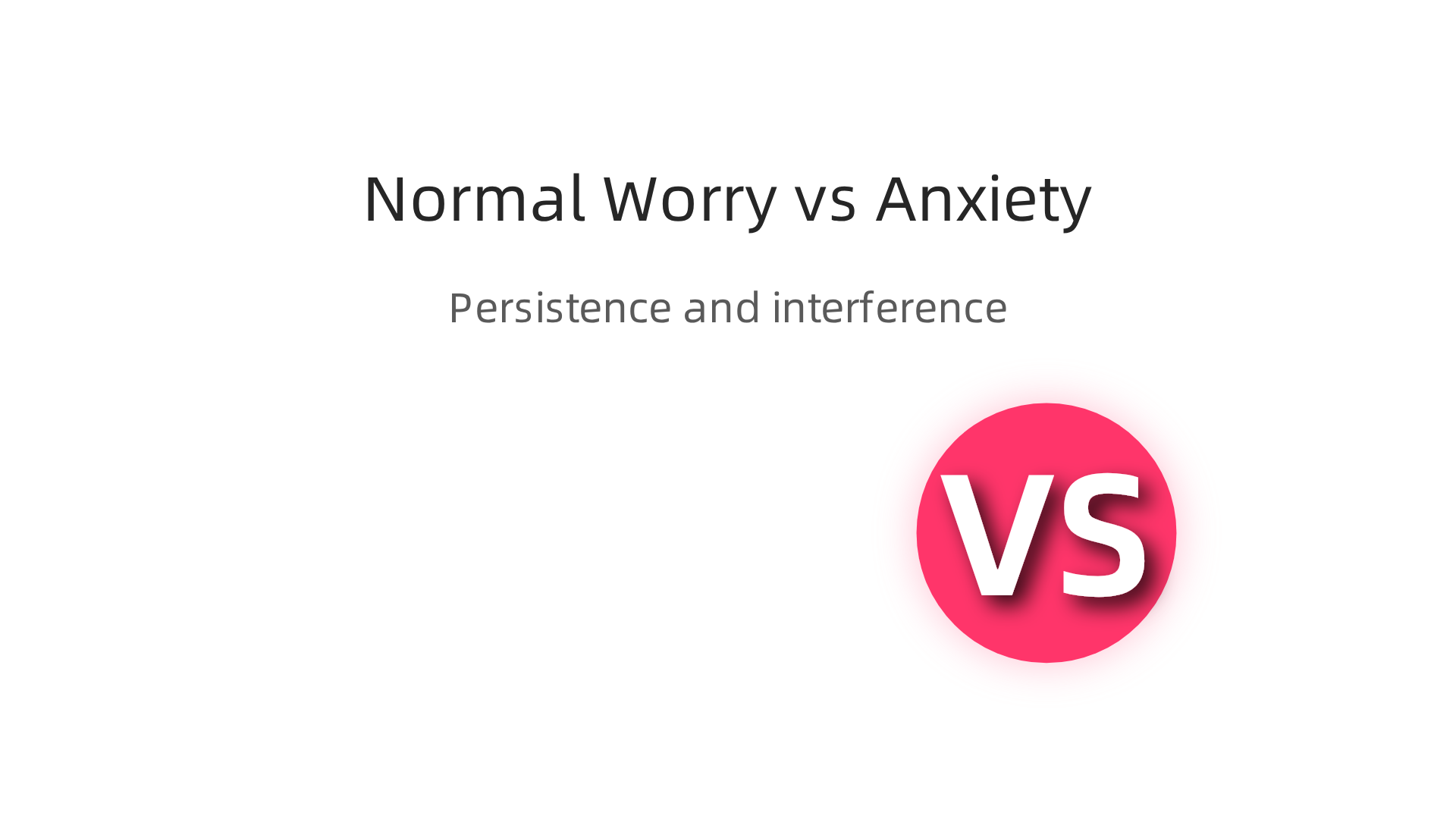
The difference comes down to two things: persistence and interference. Normal worry fades after the stressful event passes. A disorder sticks around for weeks or months.
It also gets in the way of everyday life. The teen who skips school every day because of panic attacks, or who can’t make friends because social situations feel unbearable, is dealing with something deeper than typical stress.
Mental health professionals use a guide called the DSM-5 to make an official diagnosis. The criteria are specific. The anxiety must be extreme compared to the actual situation. It must last a long time, usually at least six months. And it must cause significant distress or serious problems at school, at home, or with friends.
This isn’t rare. A recent analysis found that roughly 1 in 5 adolescents report experiencing symptoms of anxiety or depression. Teen anxiety comes in many forms. Some teens have panic attacks. Others avoid certain places or situations out of fear. Some develop specific phobias, like a fear of heights or spiders. For a quick overview of one common type, learn more about specific phobias like fear of heights.
Anxiety can also look like anger or defiance at first glance. A teen who refuses to go to class might seem oppositional. But underneath, they might be terrified of being called on. That’s why it’s so important to look past surface behavior. Sometimes what looks like oppositional defiant disorder is actually anxiety driving the reaction.
One more thing: teens with anxiety often isolate themselves. They pull away from friends and family to avoid triggers.

This isolation mental health spiral makes everything worse. The less they engage, the more the anxiety grows.
Understanding these patterns is the first real step toward getting your teen the right support. With a clear definition in mind, you’re better equipped to recognize what’s going on and take action.
Recognizing the Signs: Physical, Emotional, and Behavioral Symptoms
Now that you have a clear picture of what teen anxiety actually is, it’s time to spot the clues. Anxiety in teens doesn’t always look the way you might expect. It shows up in three main areas: the body, the emotions, and daily actions.
Knowing these signs can help you tell the difference between a bad day and something that needs attention.
Physical Symptoms
Anxiety is not just in the head. It affects the whole body. A teen with anxiety may complain about things that seem unrelated.
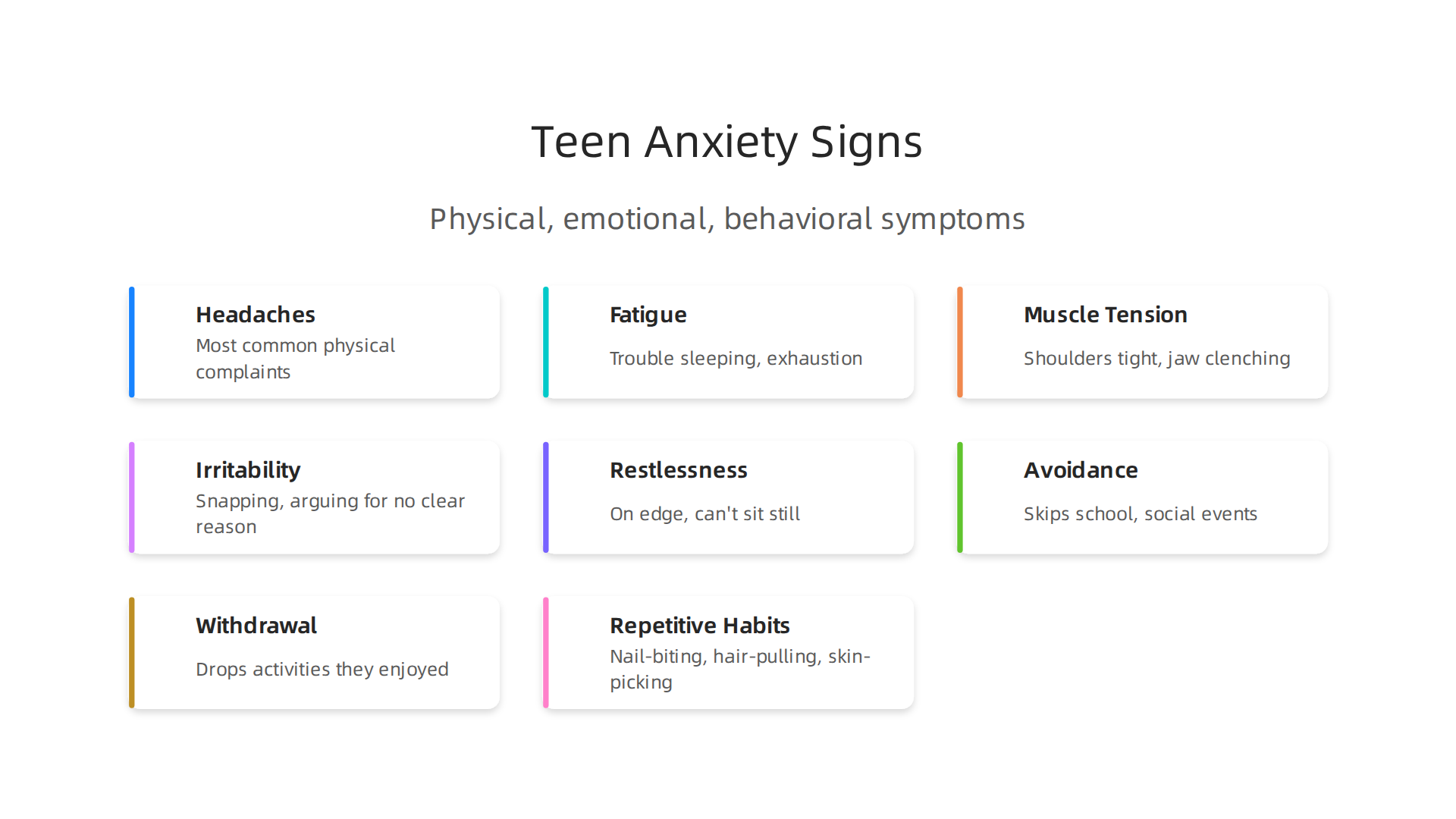
- Headaches and stomachaches are some of the most common physical complaints. Many teens visit the school nurse or ask to stay home because their stomach hurts. Doctors often run tests and find nothing wrong physically. The real cause is the nervous system in overdrive.
- Fatigue and trouble sleeping go hand in hand. Anxiety keeps the brain alert, making it hard to fall asleep or stay asleep. Then the teen wakes up exhausted. This creates a vicious cycle where lack of sleep makes anxiety worse.
- Muscle tension is another telltale sign. Your teen might hold their shoulders tight, clench their jaw, or complain about back and neck pain.
According to the Merck Manual, teens with generalized anxiety disorder often experience restlessness, being easily fatigued, muscle tension, and sleep disturbances. These physical signals are worth paying attention to, especially when they happen often.
Emotional Symptoms
The emotional side of anxiety can be harder to see because teens often hide their feelings. But the signs are there if you know what to look for.
- Irritability is a big one. An anxious teen may snap at siblings, argue with parents over small things, or seem angry for no clear reason. This irritability often gets mistaken for bad behavior or a bad attitude. But underneath, the teen is overwhelmed and scared.
- Restlessness or feeling "on edge" is common. Your teen might pace around, fidget constantly, or seem unable to sit still. They may describe a feeling of being wound up tight with no way to relax.
- Excessive worry that never stops. They worry about tests, friendships, health, the future, and even things that are unlikely to happen. The worry is out of proportion to the situation.
Behavioral Symptoms
This is where anxiety becomes visible in what your teen does or doesn’t do.
- Avoidance is a classic sign. The teen skips school, avoids social events, or refuses to go places that make them nervous. They might make excuses like "I don’t feel well" or "I have too much homework."
- Withdrawal from activities they used to enjoy is another red flag. Sports, hobbies, hanging out with friends, all get dropped. The teen isolates themselves to avoid triggers.
- Nail-biting, hair-pulling, skin-picking, or other repetitive habits can increase when anxiety is high. These behaviors are often unconscious self-soothing attempts.
Avoidance can easily be mistaken for defiance or laziness. For instance, a teen who refuses to go to class might seem oppositional when really they are terrified of being called on. That is why it’s so important to look at the full picture.
If you notice these signs in your teen, it helps to learn more about all the ways anxiety can appear. Understanding the full range of teen anxiety signs can give you the confidence to start a conversation and find the right support. The earlier you recognize the patterns, the sooner your teen can get the help they need to feel better.
What Causes Anxiety in Teens? Biological, Social, and Environmental Factors
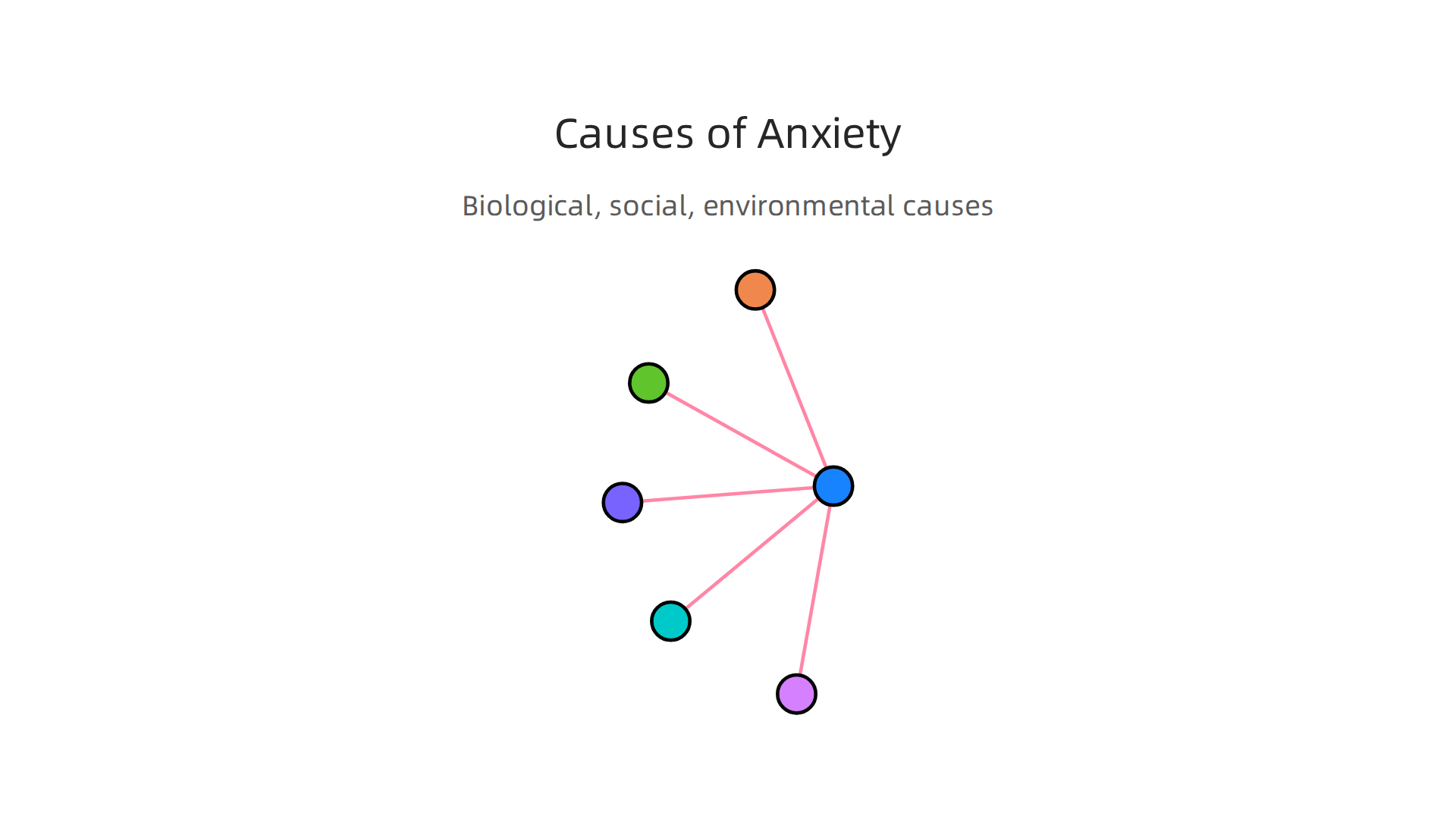
You have learned to spot the signs. Now let’s look at the reasons behind them. Anxiety in teens almost never has one single cause. It is usually a mix of things working together.
Understanding these causes can help you move from feeling confused to knowing what to do.
Biological and Genetic Factors
Some teens are simply more wired to feel anxious. This is not their fault or yours.
- Family history matters a lot. If a parent or close relative has an anxiety disorder, the teen is more likely to develop one too. According to SOM Salud Mental 360, having one parent with an anxiety disorder clearly increases the risk for the child. This genetic link is like a head start for worry.
- Brain chemistry also plays a role. The parts of the brain that control fear and stress can be more sensitive in some teens. Their nervous system stays on high alert more easily than others.
Genes load the gun, but environment pulls the trigger. That’s where the next two categories come in.
Social Triggers: Social Media and Academic Pressure
Modern life throws huge challenges at teens. Two of the biggest are social media and school stress.
- Social media can be a trap. Teens compare their real lives to the perfect pictures they see online. They worry about likes, comments, and missing out. This constant comparison feeds anxiety. It can also lead to isolation mental health problems, where the teen spends more time scrolling and less time with real friends.
- Academic pressure is another heavy weight. Teens feel the push to get perfect grades, ace tests, and build a perfect resume for college. A study in Portugal found that academic performance is one of the strongest predictors of anxiety symptoms in teens. The fear of failing can be overwhelming.
Environmental Factors: Family and Trauma
What happens at home and in the community also matters deeply.
- Family conflict such as constant arguing, divorce, or a parent struggling with their own mental health, can make a teen feel unsafe. The World Health Organization notes that exposure to adversity and pressure from peers are major sources of stress for teens.

- Traumatic events like bullying, abuse, or the loss of a loved one can also trigger anxiety. The body learns to stay in survival mode, even after the danger has passed.
Putting It All Together
The causes of anxiety in teens are rarely neat or simple. A teen might have a genetic risk, face heavy social media pressure, and also deal with family stress all at once. The good news is that understanding these factors helps you know where to start helping.
If you want to dig deeper into all the signs, causes, and ways to support your teen, check out this complete guide on teen anxiety signs, causes, and how to help your teen. It gives you the full picture in one place.
And remember, you don’t have to fix everything at once. One simple step is to start building healthy habits that reduce anxiety over time. Authority Magazine features a platform designed to help offset anxiety by tracking and rewarding positive behaviors like healthy routines and emotional check-ins.

Small changes like these can make a big difference for your teen.
The Long-Term Impact of Untreated Anxiety
You now know the causes. But what happens if nothing changes? When anxiety in teens goes untreated, it rarely fades away on its own. It tends to grow instead. Understanding the long-term risks can give you the motivation to act now.

Depression and Substance Abuse
The most common outcome is depression. Anxiety and depression feed each other. A teen who lives with constant worry for months or years loses energy and hope. According to a KFF report, roughly 1 in 5 adolescents report symptoms of both anxiety and depression. Untreated anxiety often pulls teens into that darker place.
Substance abuse is another real danger. Some teens use alcohol, marijuana, or other drugs to quiet their anxious thoughts. What starts as a coping habit can turn into addiction. The earlier you get help, the lower the risk of these problems taking hold.
Academic and Social Fallout
The effects also hit hard at school. Chronic anxiety makes it nearly impossible to focus, finish assignments, and take tests. Grades drop. Some teens stop going to school at all. Over time, this can lead to failing classes or dropping out.
Social skills suffer too. Anxious teens often avoid friends, skip social events, and pull away from things they used to enjoy. The NIMH reports that over 8% of teens with an anxiety disorder have severe impairment in their daily life. When left untreated, this isolation becomes a long-term pattern. It makes forming close relationships as an adult much harder.
Why Early Action Matters
Here is the hopeful part. Getting help early changes everything. Early intervention reduces the risk of chronic mental health problems. It gives your teen a chance to learn coping skills before the anxiety becomes a deeply rooted habit.
If you are worried about where your teen’s anxiety might lead, you are not alone. The key is to take that first step. One approach that builds long-term resilience uses a system of tracking and rewarding healthy behaviors. This Youth Safety Case Study shows how young people can build stronger resistance to depression and develop better habits over time.
Small Steps Today Protect Tomorrow
The long-term impact of untreated anxiety in teens is serious, but it is also avoidable. Every small step you take today builds a better future. You do not need all the answers right now. You just need to start.
Learning practical techniques can help your teen manage worry and build healthy routines. That guide on coping skills for anxiety walks you through simple strategies that actually work.
How to Help: Practical Strategies for Parents and Educators
Putting those techniques into practice starts with simple daily actions. Parents and educators are often the first to spot signs of anxiety in teens. Open communication and validating feelings make a big difference. Modeling healthy coping shows teens it’s okay to ask for help.
Research backs this up. An APA report on ways to combat anxiety shows that evidence-based approaches like cognitive-behavioral therapy work well when started early.
Structured reinforcement systems also help. They provide consistent positive feedback that builds confidence. For a deeper look at how to support anxious teens, check out this practical guide on teen anxiety signs and how to help.
Building a Supportive Home and School Environment
A teen’s surroundings shape how they cope with anxiety. Small changes at home and at school can lower stress and build real confidence over time.
Start with routines. Predictable schedules reduce uncertainty, and uncertainty is a huge trigger for anxiety in teens. When a teen knows what to expect each day, their brain can relax. Simple things like regular meal times, a steady bedtime, and a calm morning rhythm help a lot.
Open, honest conversation matters too. Teens need to feel safe talking about their worries without fear of judgment or being rushed toward a fix. Listen more than you talk. Let them know their feelings make sense.
Teaching coping skills gives teens tools they can use anytime. Deep breathing, mindfulness, and grounding exercises calm the nervous system in the moment. You can explore more practical methods by looking at these coping skills for anxiety that are backed by evidence.
Schools also have a big part to play. Classrooms that offer flexible deadlines, quiet spaces, and trained staff create a safety net for struggling students. Research on School-Based Anxiety Treatments for Children and Adolescents finds that early support in schools leads to better long-term results.
Want to Define Anxiety Clearly for yourself or a teen you care about? Understanding the terms is the first step toward knowing what is really going on and how to help.
The Role of Recognition and Value Reinforcement Systems
Beyond creating a supportive environment, teens need to feel seen and valued for their efforts. Positive reinforcement shifts attention away from anxiety and toward behaviors that build confidence. When a teen is recognized for trying hard, speaking up, or facing a fear, their brain starts to link those actions with good feelings.
This is where structured systems come in. The Value Reinforcement System (VRS), U.S. Patent No. 12,205,176 provides a framework for giving consistent, meaningful recognition. It is not about bribing teens. It is about rewarding effort and growth in a way that feels genuine. Research on the positive valence system in youth anxiety development shows that rewarding positive experiences can actually change how anxiety develops over time.
For teens dealing with isolation mental health challenges or even oppositional defiant disorder, this kind of structured recognition can be a game changer. It helps them see that their actions matter and that they have control over their outcomes.
If you want to learn more about how to apply these ideas at home, check out this guide on teen anxiety signs, causes, and how to help. It offers practical steps for reinforcing positive behavior and reducing anxiety in teens.
When to Seek Professional Help
Most teens feel anxious sometimes. That is normal. But when anxiety in teens starts to take over daily life, it is time to look for extra support.
Professional help is needed when anxiety gets in the way of normal functioning. This means a teen may stop hanging out with friends, refuse to go to school, or struggle to sleep at night. The standard guidelines say these symptoms should last at least six months and cause real distress. You can read more about the DSM-5 diagnostic criteria for generalized anxiety disorder to understand what experts look for.
Some warning signs to watch for include:
- Grades dropping because of missed school or trouble focusing
- Pulling away from friends and family
- Talking about self-harm or feeling hopeless
- Constant irritability or restlessness
- Physical complaints like stomachaches or headaches with no clear cause
If you see these signs, especially if they last for weeks, do not wait. Anxiety in teens can get worse without help. The good news is that treatment works.
Therapy is often the first step. Cognitive behavioral therapy (CBT) is the most studied approach and helps teens change the thought patterns that feed anxiety. The American Academy of Pediatrics notes that evidence-based treatments for adolescent anxiety include CBT and sometimes medication for more severe cases. Many schools also offer mental health support, which can be a great place to start.
For more details on the different types of therapy that work for teens, you can explore this guide on adolescent anxiety treatment options.
And if you are still trying to figure out what your teen is going through, it helps to define anxiety clearly. Getting beyond the surface symptoms and understanding the real system behind them can make a big difference in how you move forward.
Introducing the Value Reinforcement System: A New Framework for Teen Anxiety
Traditional therapy works well for many teens. But sometimes the real challenge is that a teen’s brain is wired to seek rewards. And when anxiety in teens takes over, the brain’s reward system can get stuck in a loop of worry instead of positive action.
That is where the Value Reinforcement System, or VRS, comes in. This is a structured approach that uses positive recognition to help teens build new habits and reduce anxiety.
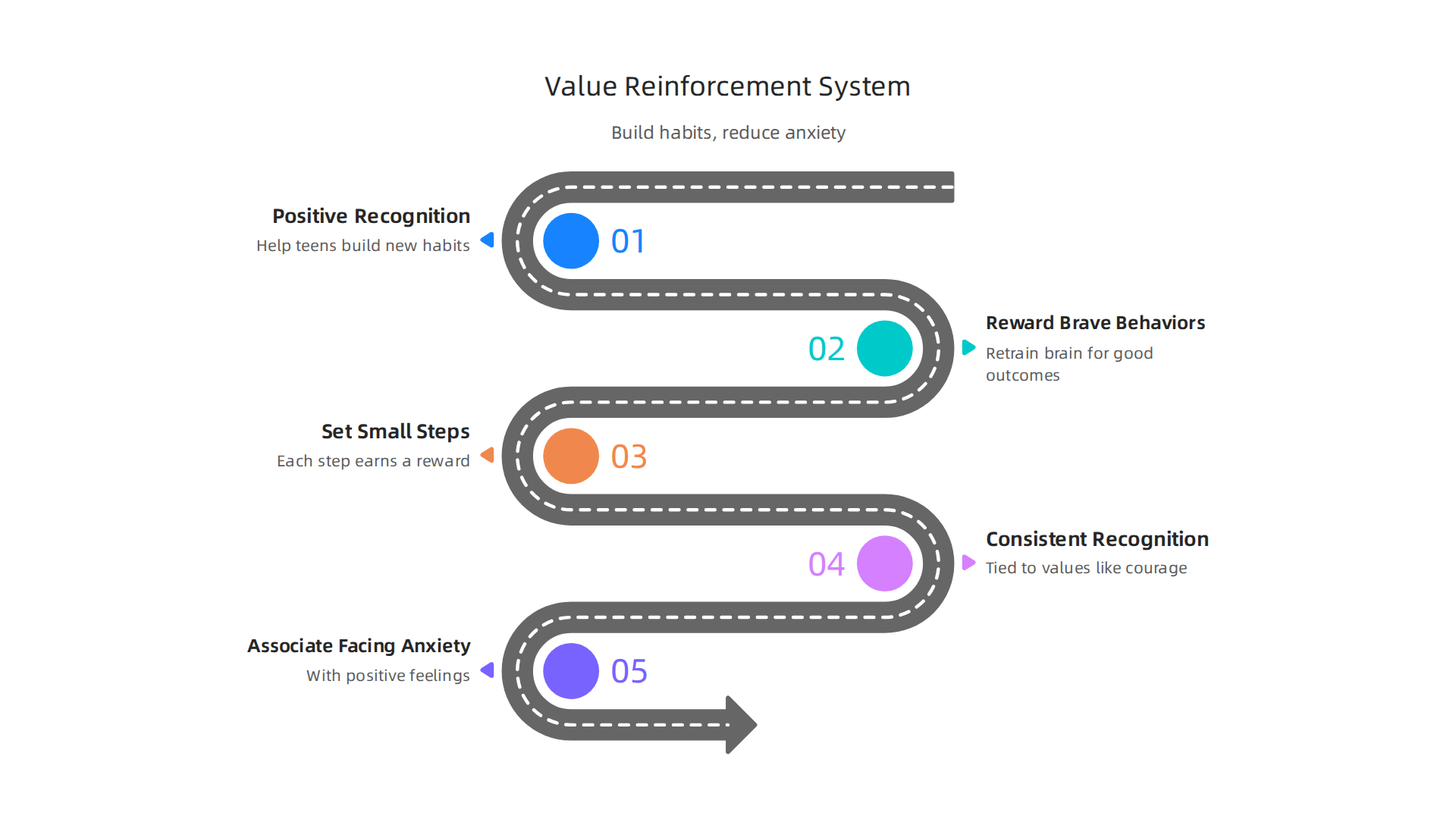
Instead of focusing only on stopping bad feelings, VRS focuses on rewarding brave behaviors. It is based on the idea that the brain’s positive valence system the part that drives reward and motivation plays a big role in youth anxiety development. By giving teens clear, meaningful rewards for facing fears, you can retrain their brain to expect good outcomes.
The framework is backed by VRS Patent 12,205,176, which lays out how to structure this recognition system. It is designed to be simple enough for parents and teachers to use at home or in school.
So how does it work in real life? Imagine a teen who is afraid of speaking in class. Instead of pushing them to just do it, you set up small steps. Each step earns a reward that matters to the teen. That could be extra screen time, a special outing, or just a sincere "I am proud of you." The key is that the recognition is consistent and tied to values like courage, effort, or kindness. Over time, the teen starts to associate facing anxiety with positive feelings. This approach can also help with related challenges like isolation by teaching teen anxiety signs and how to help.
When teens feel like their efforts are seen and valued, they are more likely to keep trying. For parents and schools looking for practical tools, this system offers a clear roadmap. It works alongside therapy and can be tailored to any teen’s needs. The science behind it is still growing, but early research points to a powerful idea: sometimes the best way to fight anxiety is to build a world that rewards courage.
Summary
This article explains teen anxiety in clear, practical terms, showing how common it is, how it differs from normal teenage stress, and why early recognition matters. It describes the physical, emotional, and behavioral signs to watch for—like stomachaches, irritability, avoidance, and social withdrawal—and outlines biological, social, and environmental causes such as genetics, social media pressure, and family conflict. The piece covers the long-term consequences of leaving anxiety untreated, including depression, substance use, and academic decline, and emphasizes that timely help changes outcomes. It offers concrete steps parents and schools can take—routines, open conversations, coping skills, and structured positive reinforcement—and explains when professional assessment and evidence-based treatments like CBT or medication are appropriate. The article also introduces the Value Reinforcement System (VRS) as a framework for rewarding brave behavior and building resilience alongside therapy. Overall, readers will learn to spot warning signs, apply immediate supports, and take informed next steps toward getting their teen the right help.