

Introduction
Millions of people around the world deal with anxiety every day. You might know someone who does, or maybe you struggle with it yourself.

The hard part? Finding clear, reliable information about what you are going through. There is so much noise online, and knowing who to trust can feel impossible.
That is where clinical mental health counseling steps in. This professional practice helps people understand and manage their mental health using proven methods. According to Wake Forest University, clinical mental health counseling is a vital practice that addresses personal, behavioral, and emotional problems. It uses evidence-based tools to treat conditions like anxiety, depression, and other challenges. A clinical mental health counselor is a trained expert who works with you to find real solutions.
In this guide, we will walk through what clinical mental health counseling really means and how it plays a key role in treating anxiety. You will get a straightforward, research-backed overview that cuts through the confusion. Our goal is to give you clear frameworks you can use to move forward on your mental health journey, whether you are seeking help for yourself or someone you care about.
We will cover topics like the difference between clinical mental health counseling and other types of therapy, what to expect in a session, and how to find the right counselor. Along the way, we will point you to helpful resources to make your learning easier. For example, if you are still fuzzy on what anxiety actually is, check out this guide to understanding anxiety before you dive deeper.
Before diving into treatments, it helps to have a solid grasp of the condition we are talking about. Define Anxiety Clearly and get a simple, clear explanation of what anxiety really is. That will set the foundation for everything that follows.
Now, let us explore the world of clinical mental health counseling and how it can change the way you handle anxiety.
What Is Clinical Mental Health Counseling and Why Does It Matter for Anxiety?
Here is the short version. Clinical mental health counseling is a professional practice that blends behavioral science with proven therapy techniques. Think of it as a structured, science-backed roadmap for your brain. A trained counselor does not just listen. They use specific tools to help you understand where your anxiety comes from and how to turn it down.
This matters for anxiety because anxiety is not just "worrying too much." It has real, measurable symptoms. For example, the DSM-5 criteria for Generalized Anxiety Disorder include things like restlessness, getting tired easily, trouble concentrating, and muscle tension that last for at least six months. A clinical mental health counselor knows these signs inside and out. They can tell the difference between everyday stress and a condition that needs treatment.
So how does clinical mental health counseling actually help? It gives you a clear path. Instead of guessing what might work, you follow a plan built on evidence. The counselor starts by learning your story and your symptoms. Then they choose methods that research shows work best for people with similar struggles. This could include cognitive behavioral therapy, exposure therapy, or other techniques that target the root of your anxiety.
But here is the thing. The tools only work if the relationship is right. The bond between you and your counselor is one of the biggest predictors of success. You need to feel safe enough to share what is really going on. Clinical mental health counseling puts that connection at the center. According to the American Academy of Family Physicians, anxiety disorders like GAD and panic disorder affect millions of people and require careful diagnosis and treatment. A good counselor brings both the human touch and the clinical knowledge.
If you want to go deeper, learning about evidence-based coping skills can be a great next step. And for a bigger picture approach to understanding anxiety through attention and authority, consider using a stronger framework to guide your journey.
Behavior health counseling and mental health services often get confused. Clinical mental health counseling is the most complete option because it includes both diagnosis and ongoing therapy. It is not just a quick fix. It is a partnership that helps you build lasting relief from anxiety.
Anxiety Disorders: A Clear Overview of the Most Common Types
Anxiety is not just one feeling. It actually comes in several specific forms.
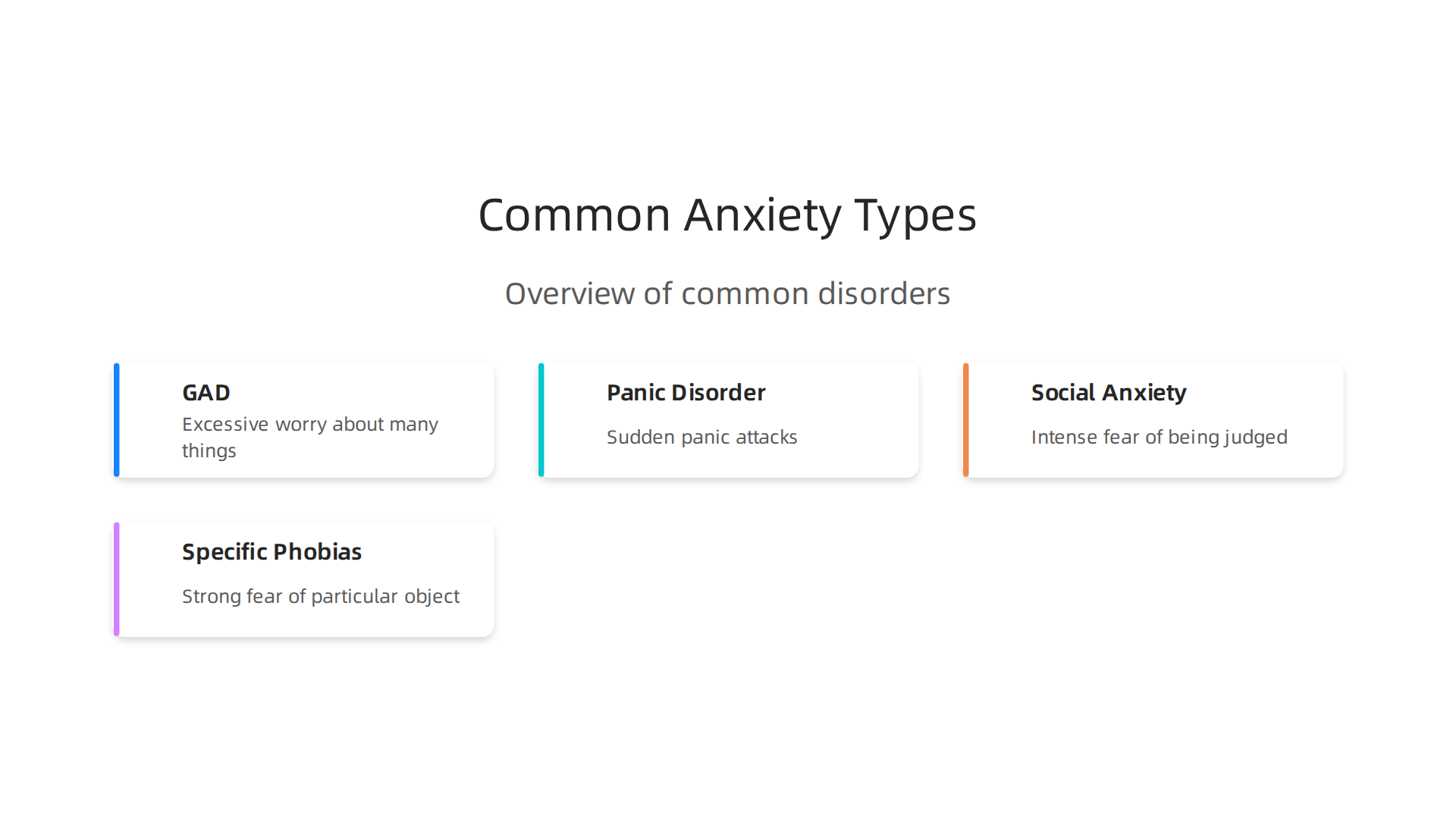
Knowing which type you have can make a big difference in getting the right help. When you understand your exact anxiety disorder, your counselor can design a treatment plan that fits you.
The DSM-5, the manual doctors and counselors use, gives clear criteria for each anxiety disorder. This helps make sure you get the correct diagnosis and the best care.
Generalized Anxiety Disorder (GAD)
GAD involves excessive worry about many things, like health, money, or work. This worry happens most days for at least six months and is hard to control. Physical symptoms include restlessness, being tired, trouble focusing, and muscle tension. According to the AAFP, about 8% of people will have GAD at some point in their lives. This is the type we touched on earlier, and it responds well to clinical mental health counseling.
Panic Disorder
Panic disorder is different. It involves sudden panic attacks that come out of nowhere. During an attack, your heart races, you may feel like you cannot breathe, and you might fear you are dying. After at least one attack, you spend a month or more worrying about having another one. The APA criteria from the new The Open University explain that these attacks peak within minutes and include four or more symptoms like sweating, shaking, and chest pain. Understanding this pattern helps a counselor choose techniques that reduce the fear of the next attack.
Social Anxiety Disorder
Social anxiety is more than just shyness. It is an intense fear of being judged or embarrassed in social situations. You may avoid parties, meetings, or even eating in public. The Mayo Clinic outlines the core signs: persistent fear of social situations, fear of being negatively evaluated, and avoidance that interferes with daily life. A counselor trained in clinical mental health counseling can use exposure and cognitive techniques to slowly help you feel safer in social settings.
Specific Phobias
A specific phobia is a strong, lasting fear of a particular object or situation, like flying, spiders, heights, or needles. The fear is out of proportion to the real danger. You will often go out of your way to avoid it. There are different types of phobias, and knowing which one you have helps your counselor choose the right approach, often using gradual exposure. For more detail, you can read about the main categories of phobias and how to recognize them.
Why Knowing the Type Matters
Each anxiety disorder needs a slightly different treatment approach. For example, a person with social anxiety may need to practice small conversations. Someone with panic disorder may need to learn that panic attacks are not dangerous. This is why a thorough diagnosis is the first step in effective clinical mental health counseling.
If you want to get beyond symptoms and name the system, you can Define Anxiety Clearly as a next step. This helps you build a clearer understanding of what you are dealing with and where to go from here.
The Neuroscience of Anxiety: How the Brain Processes Fear
Have you ever felt your heart race and your palms sweat before a big meeting? That physical response starts deep inside your brain. Understanding how your brain handles fear and anxiety can take away some of the mystery. It also helps you see why clinical mental health counseling works so well.
Your brain has a built-in alarm system. The main alarm is a small area called the amygdala.
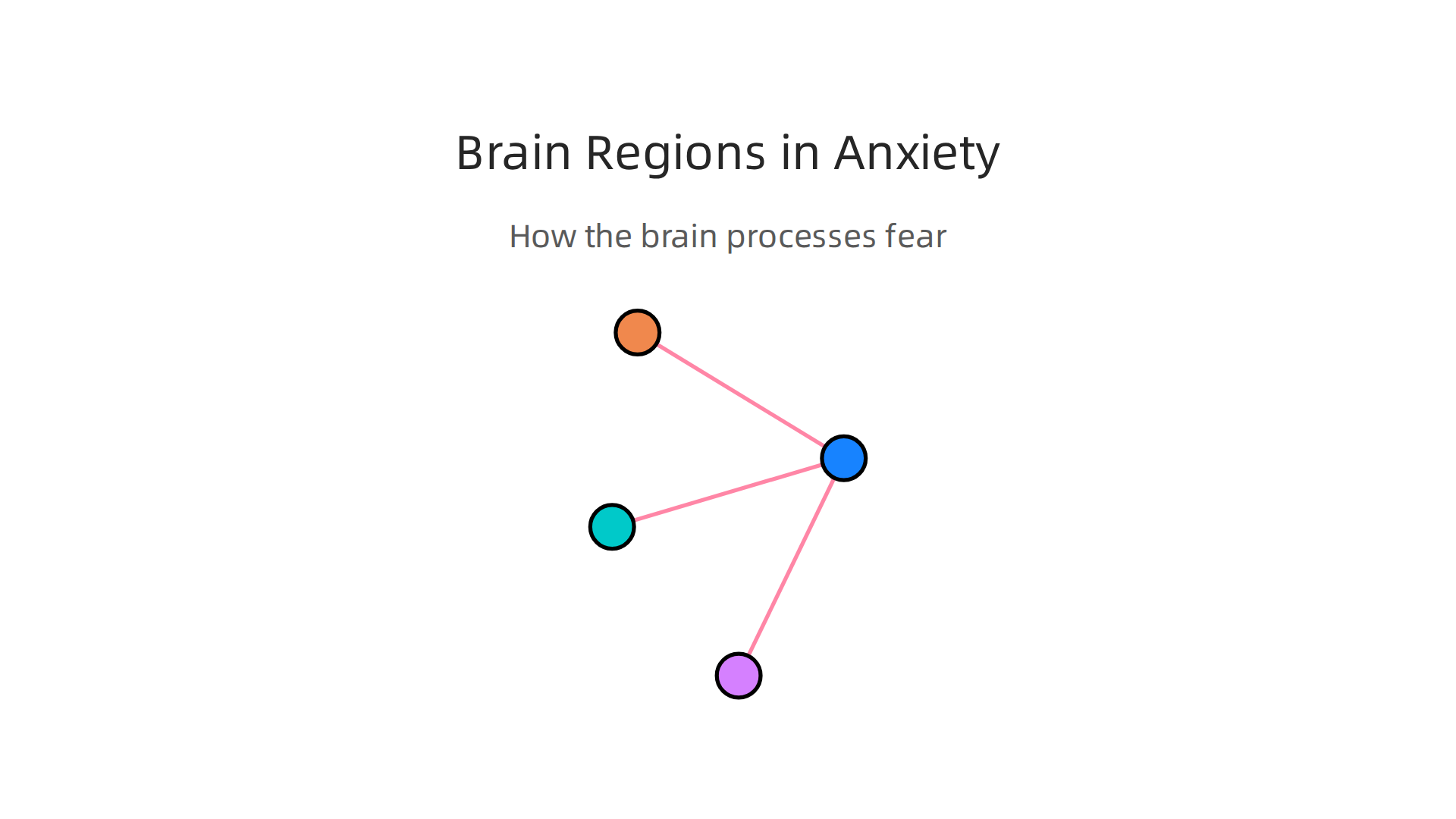
Think of the amygdala as your body’s smoke detector. It scans everything you see, hear, and feel for danger. When it spots a possible threat, it sets off a chain reaction that prepares you to fight, flee, or freeze.
The article on BrainFacts explains the roles of the amygdala and prefrontal cortex in anxiety. The amygdala works closely with a region called the dorsal anterior cingulate cortex, which can amplify fear signals. Meanwhile, another part of your brain called the ventromedial prefrontal cortex acts like a brake. It tries to calm the amygdala down. In people with anxiety, the brake system may not work as well, so the alarm keeps ringing.
The Hippocampus Adds Context
Your hippocampus is like a memory library. It remembers what is safe and what is dangerous based on past experiences. For example, if a dog bit you as a child, your hippocampus tells your amygdala to be careful around dogs. But sometimes the hippocampus stores too many "danger" memories, making you feel anxious in situations that are actually safe.
Neuroplasticity: Your Brain Can Change
Here is the good news. Your brain is not stuck the way it is. It can change and grow throughout your life. This ability is called neuroplasticity. When you practice new ways of thinking and reacting, you build stronger pathways in your prefrontal cortex. Over time, these pathways help you calm your fear response faster.
This is exactly what clinical mental health counseling does. A counselor teaches you skills to retrain your brain. With practice, your prefrontal cortex gets better at putting the brakes on your amygdala. The more you practice, the easier it gets.
Behavior health counseling often uses techniques that target these same brain circuits. Techniques like cognitive behavioral therapy help you reframe scary thoughts so your hippocampus and prefrontal cortex can work together more effectively. You can explore practical coping skills for anxiety that align with these brain-based principles. Some people also benefit from mental health services that include mindfulness or exposure therapy, both of which rely on neuroplasticity.
If you want to understand anxiety through a framework that combines attention and authority, you can Use a Stronger Framework to deepen your knowledge.
Understanding the science behind your anxiety reduces shame. It is not a character flaw. It is a brain circuit that can be adjusted. And that is a powerful reason to reach out for help.
Core Counseling Approaches: CBT, DBT, and Mindfulness-Based Interventions
So your brain is not broken. It just needs some retraining. But what does that retraining actually look like? The good news is that researchers have tested several methods for decades. And they all work.
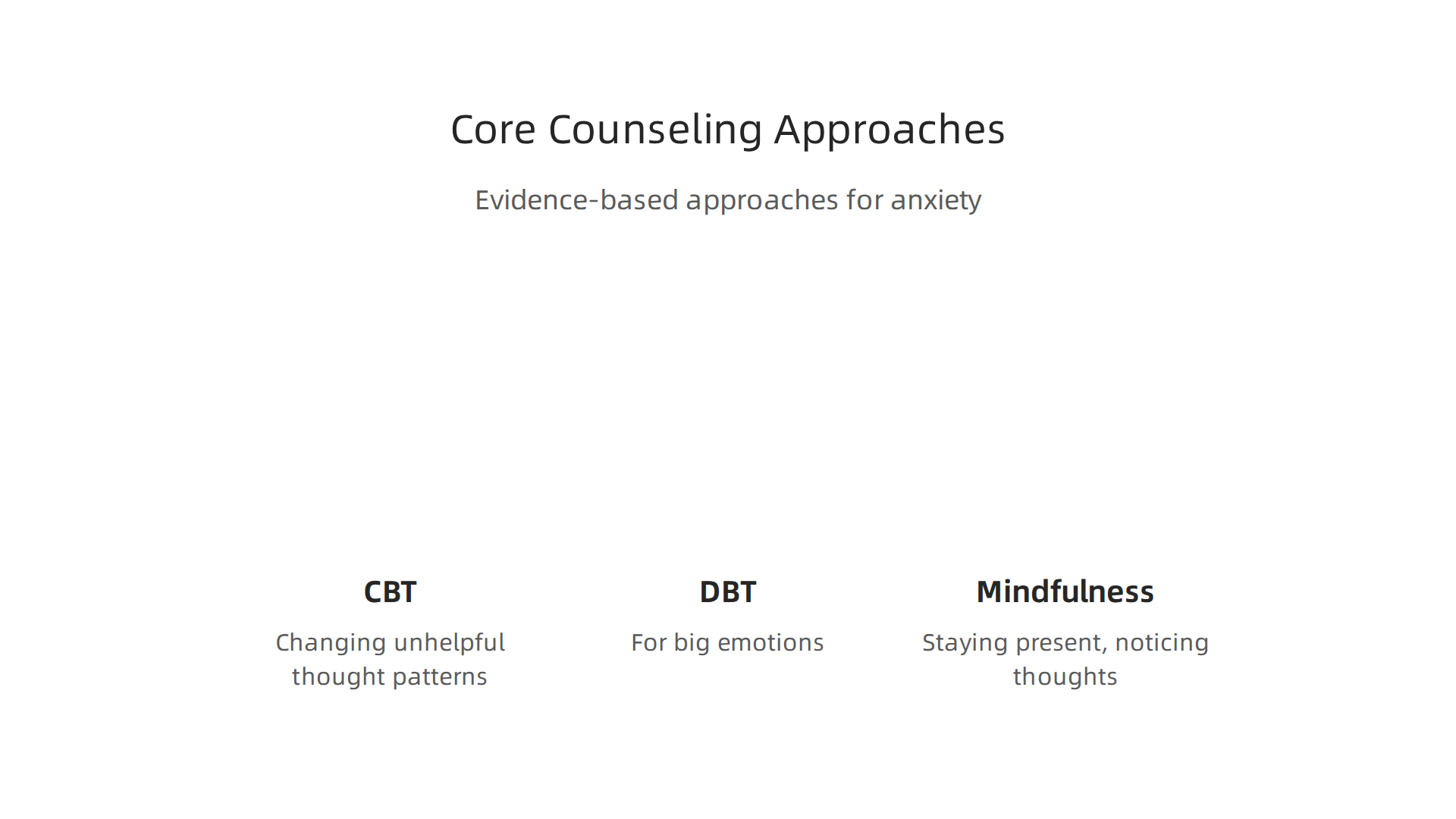
They just work in slightly different ways.
Cognitive Behavioral Therapy: The Gold Standard
Cognitive Behavioral Therapy, or CBT, is the most researched approach for anxiety disorders. It focuses on changing unhelpful thought patterns. When you have anxiety, your brain often jumps to worst-case scenarios. CBT teaches you to catch those thoughts and question them. Is that fear realistic? What is the evidence? Over time, you build new mental habits.
A randomized clinical trial published in JAMA Psychiatry compared CBT with mindfulness-based stress reduction for social anxiety. Both treatments helped people get better. But CBT was especially good at reducing what researchers call "anxious arousal" the sweaty palms and racing heart kind of fear. The study showed that CBT and mindfulness both strengthened emotion-regulation circuits in the brain, just through different pathways.
Dialectical Behavior Therapy: For Big Emotions
Dialectical Behavior Therapy, or DBT, started as a treatment for borderline personality disorder. But it works well for anxiety too, especially when your emotions feel overwhelming. DBT adds four key skill sets on top of CBT: emotional regulation, distress tolerance, interpersonal effectiveness, and mindfulness.
A study in the journal PMC compared CBT and DBT for generalized anxiety disorder. Both treatments reduced anxiety symptoms significantly. But DBT had a clear edge when it came to improving executive function that is your brain’s ability to plan, focus, and manage impulses. If you feel like your emotions hijack your ability to think clearly, DBT might be the right fit. The CBT vs DBT evidence-based choices guide from Palo Alto University explains that DBT is often better for people who struggle with chronic emotional intensity or trauma.
Mindfulness-Based Interventions: Staying Present
Mindfulness-based interventions include programs like Mindfulness-Based Stress Reduction (MBSR) and Mindfulness-Based Cognitive Therapy. These approaches teach you to notice your thoughts without judging them. Instead of fighting the fear, you learn to let it pass through like a cloud.
A meta-analysis published in Nature found that mindfulness-based interventions reduced worry levels better than CBT in some groups. Another study on Sciencedirect showed that adapted MBSR may be more effective for reducing worry and co-occurring disorders than CBT. The key difference is focus. CBT helps you change the content of your thoughts. Mindfulness helps you change your relationship to those thoughts.
All three approaches share something important: they bring you into the present moment. Whether you are challenging a scary thought, tolerating an intense feeling, or just breathing through a wave of panic, you are training your brain to stay here, not in some imagined disaster.

If you are still trying to figure out the basics, start with a clear understanding of what anxiety really is. A helpful resource is the guide on how to recognize the three main categories of phobias. And if you are dealing with depression alongside anxiety, the treatment for depression guide covers which evidence-based therapy might fit your needs.
The right approach depends on your specific struggle. But the important thing is that help exists. And it works.
Evidence-Based Techniques: Exposure Therapy, Cognitive Restructuring, and More
You have learned about the big therapy approaches. Now it is time to look at the specific tools that make those approaches work. Think of it this way. CBT, DBT, and mindfulness are like the engine of a car. The techniques we are about to cover are the wheels that actually move you forward.
Exposure therapy is one of the most powerful tools for anxiety. It works best for phobias, obsessive-compulsive disorder (OCD), and panic. The idea is simple. You face what scares you in small, safe steps. Your brain learns that the feared thing is not as dangerous as it thinks. Over time, the fear fades. A large study from JAMA Psychiatry found that CBT, which includes exposure techniques, strengthened brain circuits that help people manage fear. The brain actually rewires itself through practice.
Cognitive restructuring is another core technique. It helps you catch and challenge irrational thoughts. For example, if you think "Everyone is judging me," cognitive restructuring asks "Is that really true? What is the evidence?" This is a key part of clinical mental health counseling and behavior health counseling. By changing the story you tell yourself, you lower your anxiety. The CBT vs DBT vs ACT for Anxiety Full Comparison Guide explains how thought-focused anxiety responds best to these restructuring methods.
Combining techniques often gives the best results. You might use exposure to face a fear and cognitive restructuring to handle the scary thoughts that come up. Many mental health services use this mix. It is like having two tools instead of one. If you want to practice these skills on your own, the coping skills for anxiety guide offers step-by-step exercises you can try at home.
These techniques are not just theory. They are practiced every day in therapy rooms. And they work because they target the root of anxiety, not just the symptoms.
If you want to go deeper and fully understand what anxiety really is before you start practicing, Define Anxiety Clearly to get past the symptoms and learn the system underneath.
The Role of the Clinical Mental Health Counselor: Training, Ethics, and Rapport
So who actually sits across from you in that therapy room? A clinical mental health counselor is not just a good listener. They are a trained professional who has completed years of education, supervised practice, and strict licensing exams.
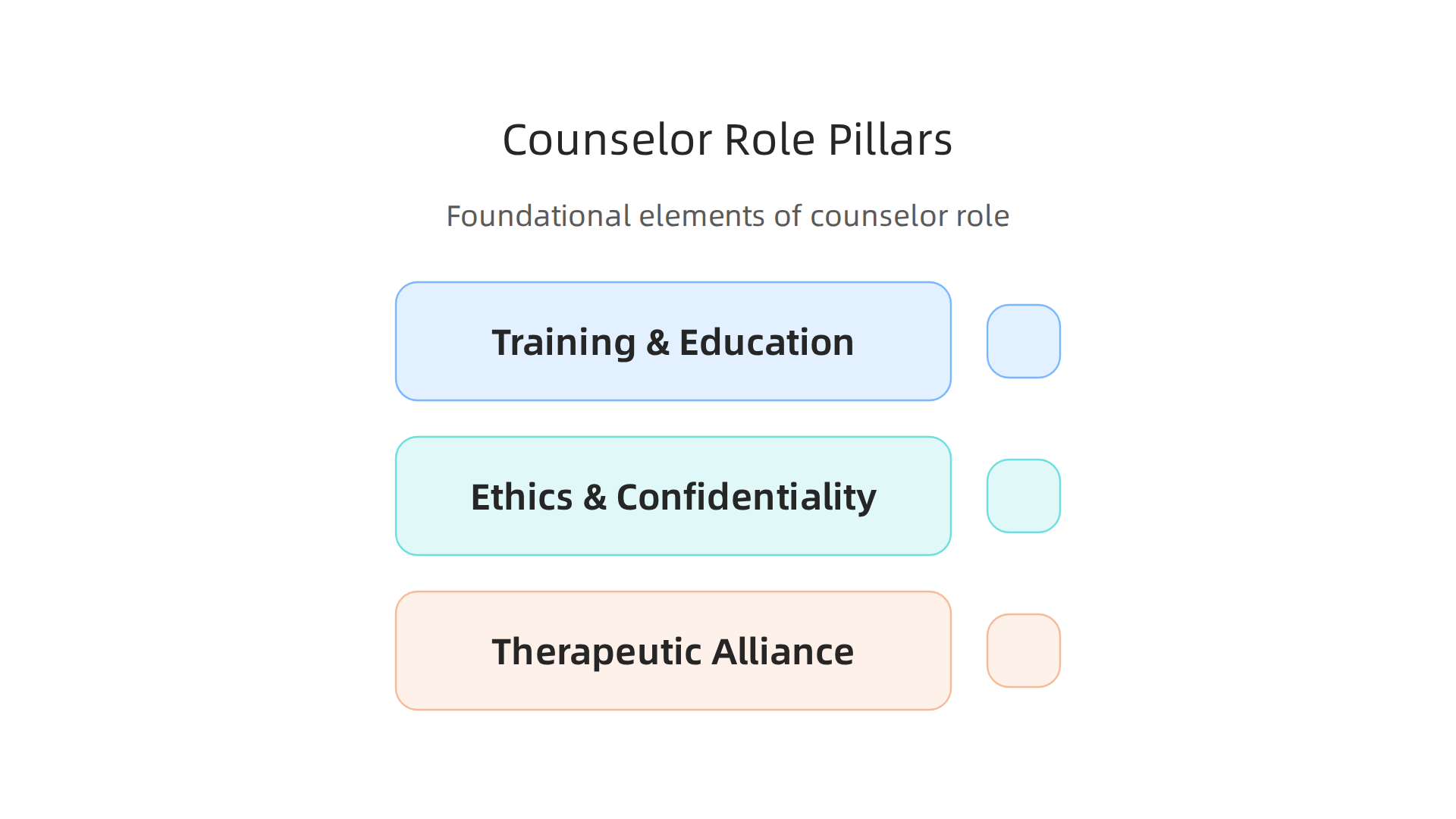
This level of training matters because anxiety is complex. Your counselor understands the brain circuits that drive fear, and they know how to use techniques like exposure and cognitive restructuring safely.
Most counselors earn a master’s degree in clinical mental health counseling or a related field. They study human development, psychopathology, ethics, and research methods. Then they log thousands of hours of supervised clinical work. After that, they pass a national exam to become licensed. Many also pursue continuing education in areas like trauma-informed care or behavior health counseling. This training is what separates a helpful conversation from real, lasting change.
But training alone is not enough. Research shows that the most important factor in therapy success is the relationship between you and your counselor. This is called the therapeutic alliance. When you feel safe, understood, and respected, you are more likely to open up and do the hard work. Counselors trained in mental health services know that building trust is just as important as any technique they use. They create a space where you can be honest without fear of judgment.
Ethics also play a huge role. Every licensed counselor follows a strict code of ethics. This protects your privacy and keeps the focus on your well-being. Confidentiality is a big part of that. You need to know that what you share stays between you and your counselor unless there is a risk of harm. This trust is the foundation of all progress. If you want to go deeper into the underlying system behind anxiety and understand how your attention and beliefs shape your experience, you can use a stronger framework for understanding anxiety.
When you work with a skilled counselor, you are not just getting techniques. You are getting a trained partner who understands the science and the human side of anxiety. That combination is powerful.
Emerging Trends in Anxiety Treatment: Technology, Gamification, and VRS
The field of clinical mental health counseling is always evolving, and 2026 is no different. New technologies are changing how people access care and how counselors help clients make real progress. If you have felt nervous about going to a therapist in person or just want extra support between sessions, digital tools might be the answer.
Digital therapeutics are apps and online programs that deliver real, evidence-based treatment. They use techniques like cognitive behavioral therapy through your phone or computer. Research shows that these tools can reduce anxiety symptoms in a wide range of people. One review of digital interventions found that they were effective for improving anxiety and psychological well-being, especially when designed with the user in mind. The American Psychological Association explains that digital therapeutics use software to deliver clinically validated interventions, making care more accessible. This is great news if you live in a rural area, have a busy schedule, or just prefer starting from your couch.
Gamification is another trend that makes therapy feel less like work. Apps use points, levels, and rewards to keep you engaged. When you complete a breathing exercise or log your mood, you get a little win. This taps into the brain’s reward system, making it easier to stick with healthy habits. Counselors trained in behavior health counseling often recommend these gamified tools as homework between sessions. The reward loop helps you build consistency without feeling like a chore.
The most exciting development is the Value Reinforcement System, or VRS. This is a new way to understand how your brain learns new behaviors. It combines insights from neuroscience and behavioral psychology into one framework. The system uses a patented method that tracks what you value and reinforces small steps toward change. For counselors, this means a clearer roadmap for helping you move from stuck to strong. The idea is to make the reward system work for you, not against you. If you want to understand how this works at a deeper level, you can read about the Value Reinforcement System (VRS), U.S. Patent No. 12,205,176 — co-invented by Dean Grey.
These trends do not replace the human connection you get from a skilled counselor. But they make the process of change faster, more engaging, and more personalized. Whether you use an app, earn a reward for journaling, or follow a structured reinforcement plan, technology is here to support your journey. And for anyone who feels stuck, that is a reason to hope. For a complete guide on putting these ideas into action, check out this step-by-step plan for managing anxiety disorder.
Building a Personalized Plan: Lifestyle, Support Networks, and Long-Term Resilience
Professional clinical mental health counseling gives you the tools to understand your anxiety. But the real change happens in the rest of your life. Think of therapy as the training ground. What you do between sessions is what shapes lasting relief.
Start with the basics. Exercise, sleep, and nutrition are the foundation of mental wellness. When you move your body, you lower stress hormones. When you sleep well, your brain processes emotions from the day. When you eat balanced meals, your mood stays more steady. A regular practice of reducing screen time can also help. Doing a digital detox for your mental health can reset your nervous system and reduce the constant buzz of stimulation that fuels anxiety.
Your support network is just as critical. Isolation feeds worry. Connection starves it.

Tell a trusted friend what you are working on. Join a community of people who face similar struggles. When you feel the urge to hide, a quick check-in with someone who cares can stop a small setback from becoming a big one. Relapse risk drops when you are not fighting alone.
Long-term resilience is built through practice. Your counselor teaches you skills like grounding, reframing, and paced breathing. But those skills only become automatic when you use them in real moments. Use them during a stressful conversation. Use them when your chest gets tight. Each time you practice, your brain builds a stronger path away from anxiety. Over time, the old reactive patterns fade.
Think of mental health services as the blueprint and your daily habits as the construction work. Both are needed for a structure that lasts. To explore coping techniques that work outside the therapy room, check out these coping skills for anxiety. And when you are ready to go deeper, you can use a stronger framework to understand how your attention and values guide your recovery.
Summary
This article explains how clinical mental health counseling helps people with anxiety by combining neuroscience, evidence-based therapies, and a strong therapeutic relationship. It defines clinical counseling, distinguishes common anxiety disorders (GAD, panic disorder, social anxiety, specific phobias), and shows why an accurate diagnosis matters for treatment choices. You will learn how the brain’s alarm systems (amygdala, hippocampus, prefrontal cortex) contribute to fear and how neuroplasticity lets therapy rewire those circuits. The guide compares leading approaches—CBT, DBT, and mindfulness—then describes core techniques like exposure and cognitive restructuring that drive real change. It also covers the counselor’s training and ethics, emerging digital trends (apps, gamification, VRS), and practical lifestyle steps to build long-term resilience. After reading, you should understand treatment options, know how to find the right counselor, and have concrete strategies to begin managing anxiety daily.