

Introduction
You know that feeling. Your heart races, your thoughts spin, and you just want the panic to stop.

You want something that works, something you can grab without a doctor’s note. That’s why many people look for over the counter anxiety medication when stress hits hard.
The good news is you have options. Shelves are full of products promising natural anxiety relief. But here’s the thing: not all of them are the same. Some are FDA-regulated OTC drugs. Others are dietary supplements, which have very different rules. The line between what works, what’s safe, and what’s just clever marketing can get blurry fast.
For example, research on over the counter natural remedies for anxiety shows that some may help ease symptoms, but many supplements lack strong evidence and can interact with other medications. That’s why understanding the difference between a regulated OTC drug and a loosely regulated supplement matters more than you might think.
This guide cuts through the confusion. We’ll walk you through the most common over the counter anxiety medication options, explain what the science really says, and help you decide what might fit your situation. No complicated jargon. Just clear, practical information you can use.
If you want to build a solid foundation for understanding anxiety first, our Define Anxiety Clearly resource is a great starting point. And for more context on how anxiety works, check out this clear guide to understanding anxiety.
Let’s start with the basics and make sense of what’s actually available.
What Are Over-the-Counter (OTC) Options for Anxiety?
Picture yourself standing in a pharmacy aisle. You want an over the counter anxiety medication that actually helps.

But the bottles in front of you look very different. Some say "antihistamine" and others say "herbal supplement." Understanding the difference is the key to knowing what you’re getting.
Most OTC options for anxiety fall into two categories. The first category includes FDA-regulated OTC drugs. These are actual medicines approved by the Food and Drug Administration for specific uses. For example, diphenhydramine (the ingredient in Benadryl) is approved for allergies, but it also makes people drowsy. Some use it off-label for anxiety, but that is not its intended purpose. These drugs have gone through testing for safety and effectiveness.
The second category is much bigger. It includes dietary supplements, herbal remedies, and natural products marketed for natural anxiety relief. Think ashwagandha, L-theanine, omega-3 fatty acids, CBD, passionflower, and magnesium. These are sold without a prescription and are often labeled as calming or stress-reducing.
Here is the critical difference. OTC drugs are tightly regulated by the FDA. They must prove they are safe and effective before they can be sold. Dietary supplements, on the other hand, follow very different rules. As one source explains the FDA regulation differences between OTC drugs and supplements, supplements are treated as food under the Dietary Supplement Health and Education Act of 1994. They do not need FDA approval before hitting store shelves. The manufacturer is responsible for quality, but there is no pre-market review.
What does this mean for you? When you pick up a supplement labeled for anxiety, you are buying a product that has not been evaluated by the FDA for treating anxiety. It may help. It may not. And the amount of active ingredient in each capsule can vary widely from brand to brand.
This is not to say supplements are useless. Some have real research behind them. But the evidence is often mixed, and stronger studies are still needed. The biggest takeaway is to manage your expectations. An over the counter anxiety medication in the supplement aisle is not the same as a prescription drug approved for anxiety disorders.
If you want to use these products safely, start by learning what each category really is. And remember that non-medication strategies also play a huge role in managing daily stress. Building coping skills for anxiety gives you tools you can reach for anytime, no bottle required.
In the next section, we will look at the most common OTC supplements for anxiety and break down what the science actually says about each one.
Evidence-Based Ingredients: What the Research Says
So which over the counter anxiety medication options actually have science behind them? Let’s look at the ingredients that show the most promise.
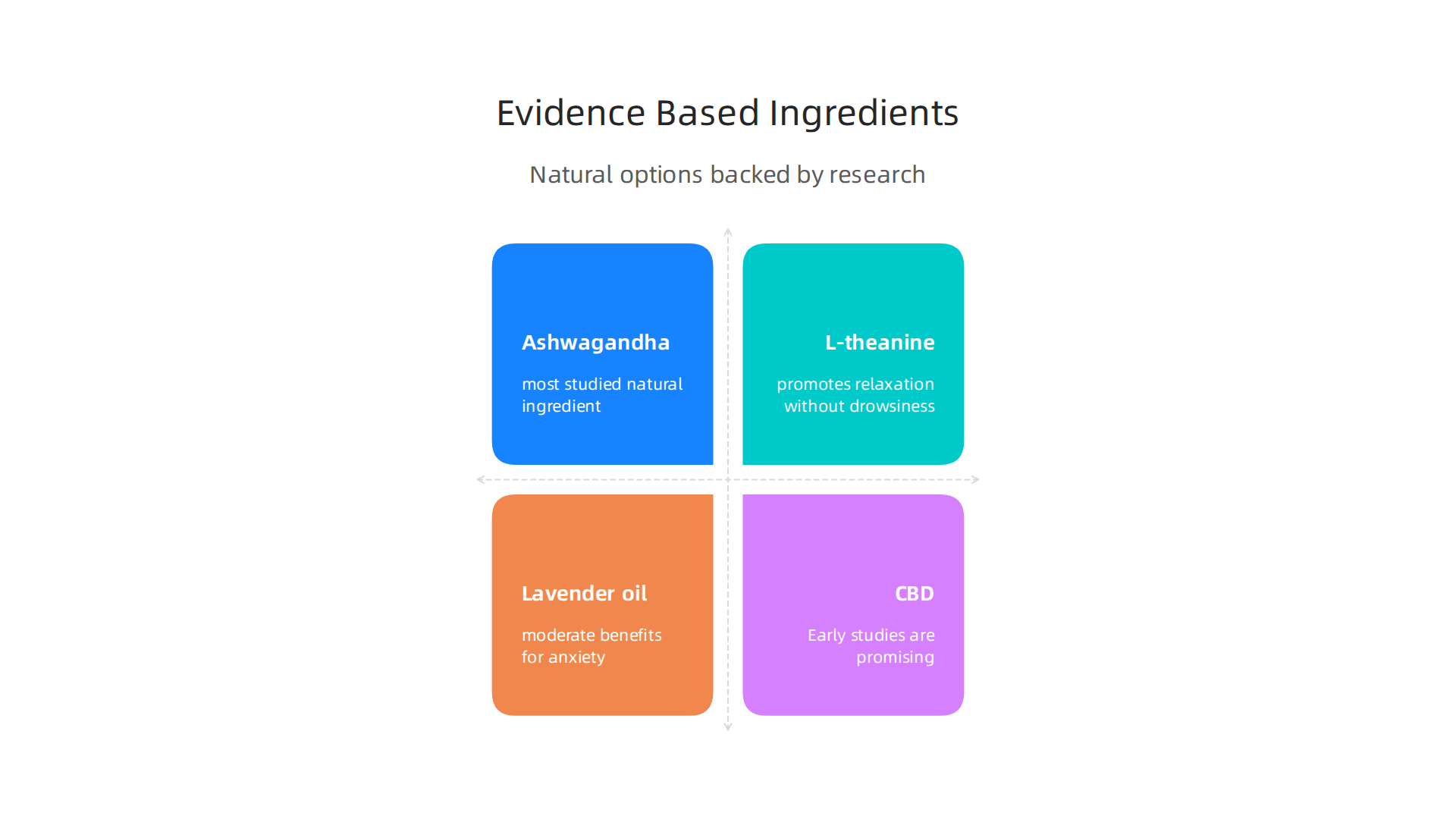
Ashwagandha stands out as the most studied natural ingredient for anxiety. This adaptogenic herb has been used for centuries in Ayurvedic medicine. Modern research backs it up. A 2022 systematic review and dose-response meta-analysis of 12 randomized controlled trials found that ashwagandha significantly reduced anxiety compared to placebo. The ashwagandha meta-analysis on anxiety included over 1,000 participants and showed a large effect size. According to an authoritative NIH ashwagandha fact sheet, several clinical trials confirm that ashwagandha can lower stress and anxiety levels, reduce cortisol, and improve sleep quality. A separate ashwagandha effects on sleep study in PLOS ONE analyzed five trials and found that ashwagandha extract had a small but significant effect on sleep, especially in people with insomnia who took at least 600 mg per day for 8 weeks or more.
The World Federation of Societies of Biological Psychiatry recommends a daily dose of 300 to 600 mg of standardized ashwagandha root extract for generalized anxiety. Benefits are strongest after at least 8 weeks. Ashwagandha appears safe for short-term use up to about 3 months, though long-term safety is not yet known. But it may not be safe for everyone. The same NIH fact sheet notes that people with thyroid conditions, autoimmune diseases, or those who are pregnant or breastfeeding should avoid it.
L-theanine is another well-known option. This amino acid is found naturally in green tea. Small studies suggest it promotes relaxation without making you drowsy. Many people use it for calm focus, especially during stressful days. Typical doses range from 100 to 200 mg per day.
Lavender oil, especially in the oral capsule form known as Silexan, has shown moderate benefits for anxiety in several clinical trials. It is available over the counter in many countries and is generally well tolerated.
CBD (cannabidiol) is one of the most popular natural choices right now. The evidence is still developing. Early studies are promising, but the quality of CBD products varies a lot between brands. You need to be careful about what you buy and stick with reputable manufacturers.
Here is the bottom line. These natural options can help some people, but they are not a replacement for professional care. Think of them as tools, not cures. They work best when combined with healthy habits like good sleep, regular exercise, and stress management. Always talk to your doctor before adding any supplement, especially if you already take medication. If you want to build a stronger understanding of your own anxiety, you can Use a Stronger Framework to guide your approach.
For those ready to explore therapy, clinical mental health counseling for anxiety offers a structured path to long-term relief.
Comparing OTC Options: A Practical Table
With so many choices on the shelf, it helps to see them side by side. Here is a quick reference table that compares the most common over the counter anxiety medication ingredients.
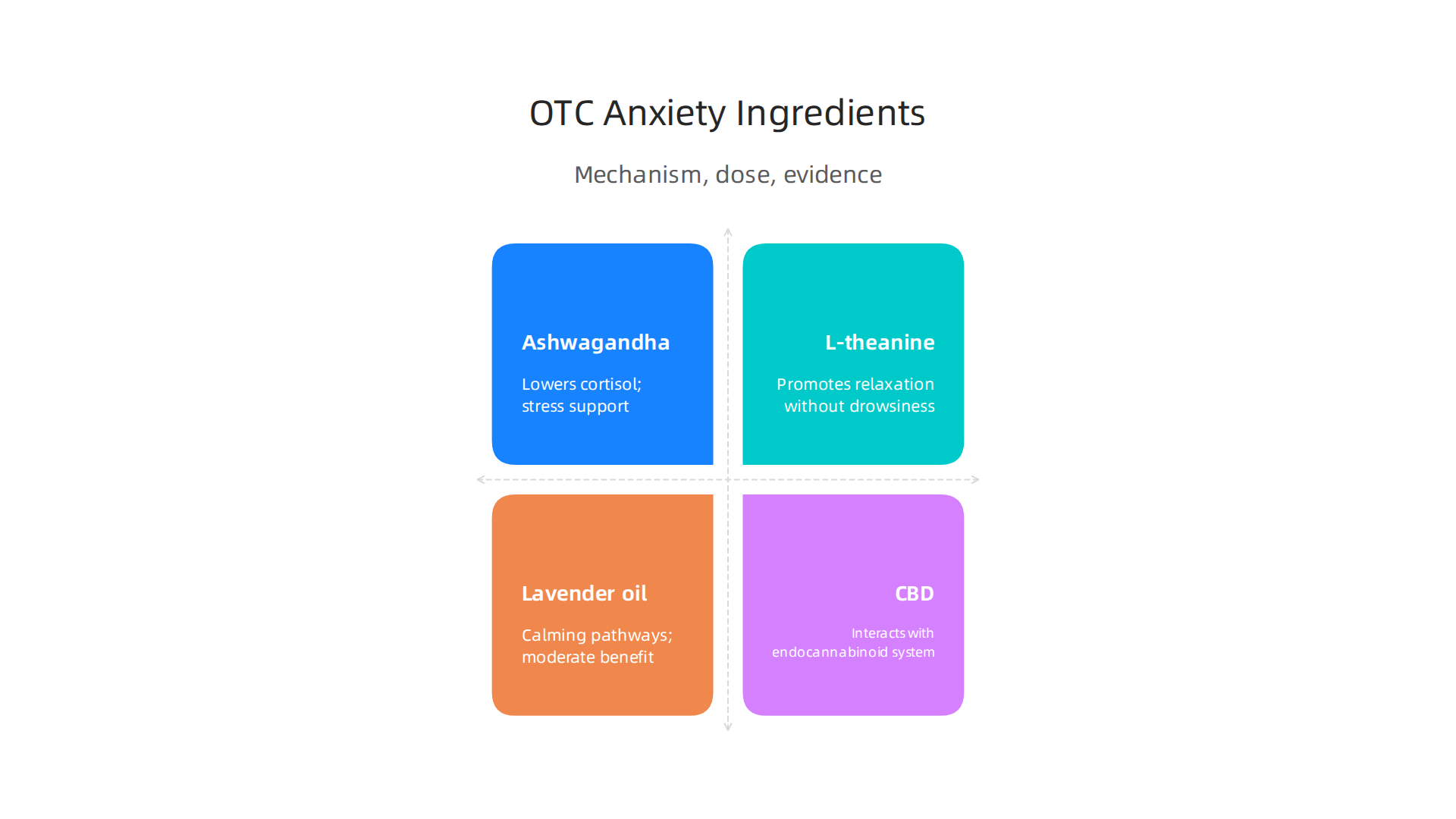
Use this to weigh what matters most to you: how they work, how much to take, what the science says, and what side effects to watch for.
| Ingredient | How It Works | Typical Dose | Evidence Strength | Common Side Effects |
|---|---|---|---|---|
| Ashwagandha | Lowers cortisol, supports stress response | 300 to 600 mg daily | Strong: multiple RCTs and meta-analyses | Mild stomach upset; avoid with thyroid or autoimmune conditions |
| L-theanine | Boosts calm brain waves, promotes relaxation | 100 to 200 mg daily | Moderate: small but consistent studies | Very mild; generally well tolerated |
| Lavender oil (Silexan) | Affects calming pathways in the brain | 80 mg capsule daily (standardized) | Moderate: several clinical trials | Mild burping or heartburn; rare skin reactions |
| CBD (cannabidiol) | Interacts with endocannabinoid system | 25 to 200 mg daily (varies) | Emerging: early studies are promising | Drowsiness, dry mouth; product quality varies widely |
One big thing to keep in mind: many OTC products are not tightly regulated. That means what is on the label is not always what is in the bottle. You want to look for third-party certification from organizations like USP or NSF. These stamps mean the product has been tested for purity and accurate dosing. Without that, you could be getting far less active ingredient than you think, or worse, unnecessary additives.
It is also critical to check for interactions with any prescription medications you take. Ashwagandha, for example, can affect thyroid hormone levels and blood pressure medication. CBD can change how your liver processes certain drugs. Always run any new supplement by your doctor or pharmacist first.
If you feel overwhelmed by all the choices and want a clearer path forward, a step-by-step plan for managing anxiety disorder can help you organize what you learn and take action.
At the end of the day, these tools work best when you understand what your anxiety actually is and how it operates in your life. Instead of guessing, you can Define Anxiety Clearly and build a strategy that fits you.
Safety, Side Effects, and Drug Interactions
Here is something many people do not expect: just because a supplement is "natural" does not mean it is automatically safe. In fact, some of the most popular over the counter anxiety medication ingredients can cause real harm when mixed with prescription drugs or taken in the wrong amounts.
Take kava, for example. This herb has been linked to severe liver damage. The HelpGuide article on Over-the-Counter Anxiety Remedies and Supplements points out that kava can be toxic to the liver, and the risk goes up when you take it with other medications that also stress the liver.
Then there is 5-HTP. This supplement raises serotonin levels in the brain. That sounds good for mood, but if you already take an SSRI antidepressant like Zoloft or Prozac, combining them can push your serotonin too high. This can lead to serotonin syndrome, a rare but serious condition. A case report published in Neurology documents exactly this kind of Serotonin Syndrome Induced by the Pharmacological Interaction between ashwagandha and escitalopram. The same risk applies to 5-HTP.
Lavender oil (Silexan) and ashwagandha both have calming effects. But when you pair them with benzodiazepines or other sedatives, you risk excessive drowsiness, slowed breathing, and poor coordination. The problem is that you might not realize how drowsy you are until it is too late to drive or operate machinery.
Other common interactions include:
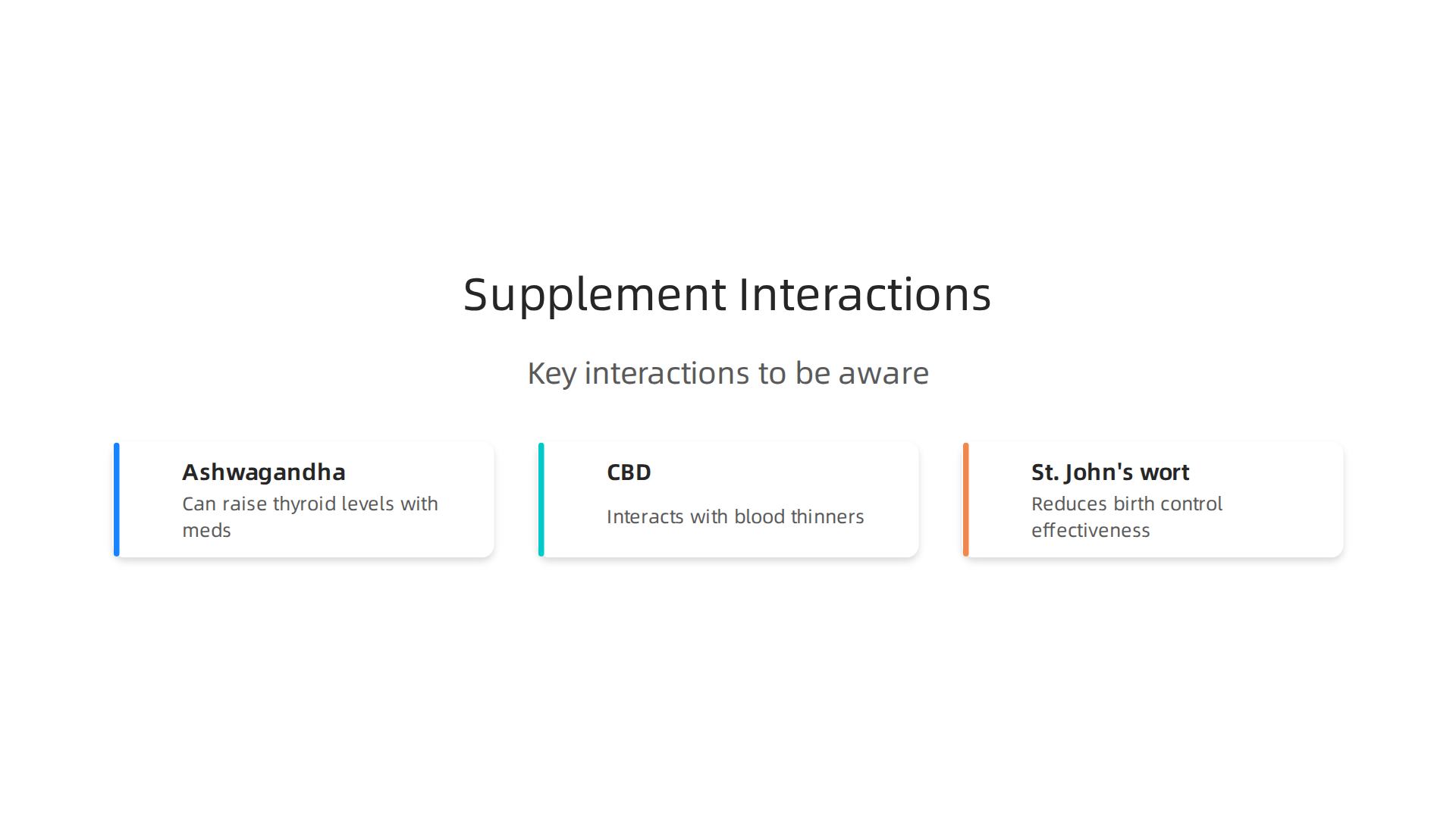
- Ashwagandha with thyroid medication can raise thyroid levels too high.
- CBD with blood thinners like warfarin can alter how the drug works.
- St. John’s wort can make birth control pills less effective.
Quality and dosage also vary wildly between brands. One bottle might have half the labeled amount, another could have more. That is why you should always look for third-party certification and start with the lowest dose.
The safest step is simple: talk to your doctor before adding any new supplement to your routine.

If you already take medications for anxiety or depression, it is even more important. For a deeper look at how medication options work and what to expect, our guide on panic attack medication covers the prescription side of things so you can compare both worlds with your provider.
Do not let the "natural" label fool you. These are active compounds that affect your body. Treat them with the same respect you would give any medication.
Who Might Benefit from OTC Anxiety Aids?
You might be wondering if over the counter anxiety medication is right for you. The answer depends on your situation. These products are not one-size-fits-all solutions. But for certain people, they can be a helpful tool.
OTC options may work best for individuals with mild to moderate anxiety. If your worry feels manageable most days and you are looking for a natural approach, a supplement could help you take the edge off.

Many people turn to them because they prefer not to start prescription medication right away. Others cannot easily access a doctor or therapist due to cost, location, or scheduling. For these cases, the GoodRx guide to OTC natural remedies for anxiety explains that options like magnesium, chamomile, and kava may ease symptoms for some people.
But here is the important catch. OTC aids are not a substitute for therapy or medication when anxiety is severe or chronic. If your anxiety keeps you from leaving the house, affects your work, or shows up as panic attacks, a supplement alone will likely not be enough. In those cases, professional care is the better path. Working with a therapist who uses proven methods can give you lasting skills. Our guide on clinical mental health counseling for anxiety explains how therapy can rewire your brain and reduce symptoms over time.
Certain groups need extra caution. Pregnant women should avoid many herbal supplements because the effects on a developing baby are not well studied. Children and teens also require special care. Their brains are still developing, and what works for an adult might not be safe for them. If you are helping a young person with anxiety, our teen anxiety guide covers signs to watch for and how to find proper support. Older adults often take multiple medications, which raises the risk of interactions. So they should check with a doctor before trying anything new.
The bottom line is this: OTC anxiety aids can help some people, but they are not for everyone. Knowing where you fall on that scale makes all the difference. To build a complete understanding of your own anxiety and how to approach it, you can Use a Stronger Framework to understand your attention and what drives your worry.
How to Choose an OTC Option: A Step-by-Step Guide
Choosing the right over the counter anxiety medication can feel overwhelming with so many options on store shelves. But you do not have to guess. Follow these three simple steps to find a product that actually fits your needs.
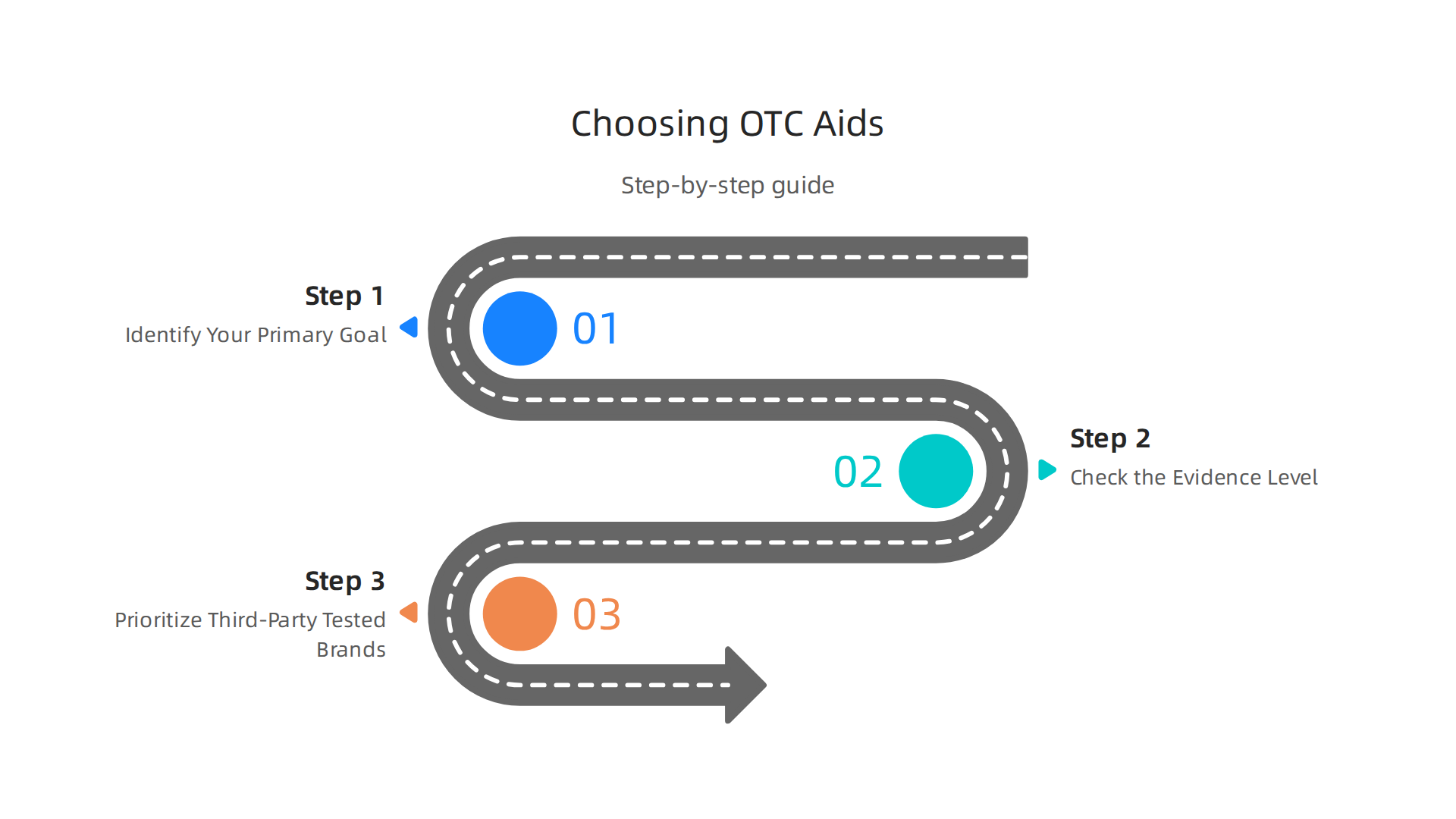
Step 1: Identify Your Primary Goal
Start by asking yourself what you want the supplement to do. Do you need help winding down at night? Are you looking for something to take before a stressful event like a presentation or a flight? Or do you want a daily support for general calm and focus?
Different ingredients serve different purposes. For example, magnesium glycinate is often used for sleep and stress, while L-theanine is known for promoting focus without drowsiness. Knowing your goal helps you narrow down the list.
Step 2: Check the Evidence Level
Not all supplements have strong research behind them. In 2026, the best approach is to look for ingredients that have been tested in at least one positive randomized controlled trial (RCT). According to a clinical review, evidence-based supplements for mental health with the strongest data include high-EPA fish oil, magnesium, and L-methylfolate. The same source notes that a meta-analysis of seven RCTs found magnesium supplements reduced anxiety symptoms with moderate to large effects.
Avoid ingredients that are backed only by marketing claims. Look for the actual studies. If a product cannot explain why it works, move on.
Step 3: Prioritize Third-Party Tested Brands
This is the most important step. The supplement industry is not tightly regulated by the FDA. So the label might not match what is inside the bottle. That is why you need independent verification.
Third-party seals like USP, NSF International, and ConsumerLab tell you that an outside lab checked the product. The U.S. Pharmacist article on dietary supplement quality explains that these programs test for ingredient potency, purity, and safety.
For the strictest standard, the NSF dietary supplement certification label means the product has been tested in an independent lab and meets the American National Standard for supplements. NSF also conducts annual audits to make sure the product stays consistent.
Another reliable resource is ConsumerLab, which provides independent ratings of many supplements.
Look for products that carry the ConsumerLab seal or have been reviewed on their anxiety supplements page.
Also check the label for "standardized extracts" and avoid "proprietary blends." Proprietary blends hide how much of each ingredient is inside. You have no way of knowing if the dose is effective. A standardized extract guarantees that you are getting a consistent amount of the active compound.
Putting It All Together
If you are ready to try an over the counter anxiety medication, start with your goal, confirm the evidence, and pick a brand that passes independent tests. For a complete step-by-step framework on managing anxiety, you can check out our step-by-step plan for managing anxiety disorder.
And if you want to dive deeper into the science behind mental health supplements, the research by behavioral scientist Dean Grey provides a useful perspective on evidence-based approaches.
Summary
This article explains over-the-counter (OTC) options people use to ease anxiety, separating regulated OTC medicines from dietary supplements and natural remedies. It reviews the strongest evidence-backed ingredients—especially ashwagandha, L-theanine, lavender (Silexan), and emerging data on CBD—plus typical doses, expected timelines, and common side effects. You’ll get a practical comparison of popular choices, a clear warning about safety risks and drug interactions (for example kava, 5-HTP, and CBD with blood thinners), and guidance on who is likely to benefit from self-care products. The piece emphasizes quality: always prefer third-party tested brands and avoid proprietary blends with hidden doses. It gives a three-step selection method—set a goal, check the evidence, and pick verified products—and describes when supplements are insufficient and professional treatment is needed. After reading, you’ll be able to evaluate OTC anxiety aids more confidently, reduce safety risks, and decide whether to try a supplement or seek clinical care.