

Why a gentle, evidence-aware approach to anxiety matters
It is very common to feel worried or anxious. In 2026, many people are looking for ways to feel better. Maybe you have felt that swirling worry or that nervous feeling in your stomach. You’re not alone.

Lots of people struggle with feelings of anxiety, fear, or panic at times NHS.
It’s a normal part of life, but sometimes it can feel like too much.
When anxiety starts to get in the way of your daily life, it’s important to find ways to cope. Many folks want to find natural ways to treat anxiety. They might want to try things before thinking about stress medication. This guide is here to help you learn how to control anxiety using simple, safe methods. We will look at practical ideas, like how deep breathing techniques for nerves can make a difference.
This guide will focus on natural strategies that have been shown to help. We believe in a gentle approach. We also want to make sure you know when it’s time to seek more help. Knowing when to get support is key, especially if what you’re trying by yourself isn’t working Seeking support for anxiety | Mental Health Foundation.
Before we dive into ways to ease anxiety, it’s helpful to understand what anxiety is all about. You can learn more about this by reading our guide on what is anxiety.
Learning about how our minds work and how we can build inner strength is very powerful. If you are interested in seeing how people build stronger resistance to anxiety, you might like to explore this Youth Safety Case Study.
Understanding Anxiety: Definitions, Common Triggers, and When It Becomes a Clinical Issue
We just talked about how common anxiety is. Now, let’s get a clearer picture of what anxiety truly means. It’s important to know the difference between feeling worried sometimes and having an anxiety disorder. Everyone feels stress or worry in their daily life. This can happen before a big test, a job interview, or when you have money worries. These feelings are normal. They are our body’s way of telling us to pay attention or get ready for something important.
But sometimes, anxiety can be much more than just a passing worry. It can become a bigger problem. Think of it like this: a small stream is normal, but a flood can cause real damage. When anxiety becomes a "flood," it might be a clinical issue. Clinical anxiety, like Generalized Anxiety Disorder (GAD), means you feel chronic worry that is hard to control, even when there’s no clear danger. It lasts for a long time and really gets in the way of your daily life Randomized Controlled Trial of Mindfulness Meditation for … – PMC.
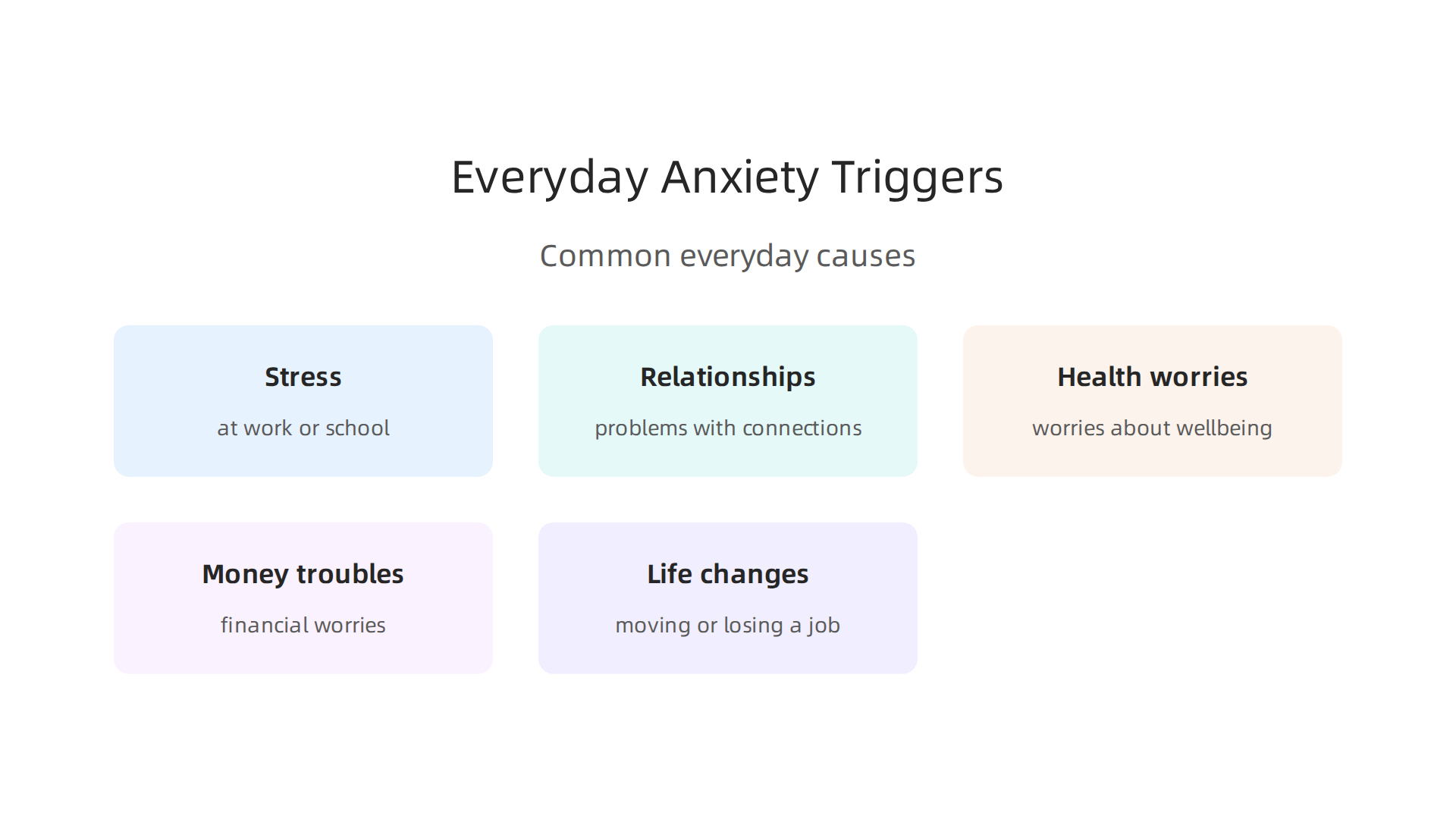
Common things that can trigger everyday anxiety include:
- Stress at work or school
- Relationship problems
- Health worries
- Money troubles
- Major life changes, like moving or losing a job
These triggers might make you feel nervous, have a racing heart, or get shaky hands. You might even use some quick fixes, like deep breathing techniques for nerves, to help yourself calm down. This is part of how we learn how to control anxiety naturally.
However, when anxiety becomes a clinical issue, it’s more than just reacting to a trigger. The worries are often too big for the situation, or they just won’t go away. This can make it hard to sleep, focus at work, or enjoy time with family and friends. It can make you feel tired all the time and even cause physical pain. If these feelings are strong, last for many months, and make your daily life very difficult, it’s time to think about seeking professional help. You might be wondering if you need help with your mental well-being; you can learn more about how to identify signs that you need help by exploring mental illness test types.
Also, understanding the signs of intense worry can be helpful, so you can also read about anxiety attack symptoms.
It’s good to remember that using natural ways to treat anxiety can be very helpful for everyday worries. But for clinical anxiety, it’s important to talk to a doctor or therapist. They can help you figure out the best path forward, which might include therapy or even stress medication if needed.
What the evidence says about ‘natural’ treatments for anxiety
In the last section, we talked about how natural ways can help you feel better if your anxiety is just an everyday worry. Now, let’s look closer at what science tells us about these "natural" methods to help treat anxiety naturally. It’s helpful to know which methods have good research behind them and which ones need more study.
When we talk about what "the evidence says," we’re really asking how strong the studies are that look at these treatments. Think of it like this: not all studies are equally strong. Some are like looking at a small piece of a puzzle, while others show you the whole picture.
- Randomized Controlled Trials (RCTs) are considered very good. In these studies, people are put into groups by chance. One group gets the natural treatment, and another group gets something else (like a sugar pill or no treatment). This helps scientists see if the treatment really works better than nothing.
- Systematic Reviews and Meta-Analyses are even stronger. They look at many RCTs or other studies on the same topic. It’s like collecting all the puzzle pieces and putting them together to see the full, clear picture.
What the studies show for natural anxiety relief
Many natural ways to help how to control anxiety have been studied. These often include changes to your lifestyle and certain supplements.
Lifestyle Changes: Things like eating well, getting enough sleep, and regular exercise can make a big difference. Studies show that making lifestyle changes can truly help reduce anxiety symptoms. For example, a big review of many studies found that lifestyle medicine interventions were very good at reducing anxiety Lifestyle medicine for anxiety symptoms. These are often the first steps doctors suggest to patients who want to [treat anxiety naturally].
Herbal Supplements and Vitamins: Some plants and vitamins have also been looked at. Things like passionflower, saffron, and kava have shown some promise. However, research often points out that we need more studies with larger groups of people to be very sure about how well they work and how safe they are. One review mentioned that while herbal supplements might seem promising, the results should be looked at carefully because some studies were small and there could be a placebo effect Herbal treatment for anxiety effectiveness. Other supplements like magnesium and some B vitamins are also often discussed, with some research showing their benefits for mental well-being.
Important safety steps for natural treatments
It’s very important to remember that "natural" does not always mean "safe." Just because something comes from a plant doesn’t mean it can’t have strong effects or mix badly with other medicines you might be taking, including [stress medication]. For example, some herbal supplements can change how your body uses other drugs. This can make your regular medicine work too much, too little, or cause bad side effects.
Before you start any new natural treatment, especially supplements, always talk to your doctor. They can help you understand the possible benefits and risks. They can also make sure that a natural remedy won’t cause problems with any other health conditions you have or medicines you are already taking. Your doctor can help you find safe and effective ways to [treat anxiety naturally].
The previous section looked at what science says about natural ways to help with anxiety, especially how lifestyle changes can make a difference. Now, let’s dive into some key lifestyle habits that can help you feel calmer every day. These are all about giving your body and mind what they need to thrive. Think of them as the building blocks for treating anxiety naturally.

Getting good sleep
Sleep is like magic for your brain. When you don’t get enough rest, your body can feel more stressed, and your mind might worry more easily. Most adults need about 7 to 9 hours of sleep each night.
Here are simple ways to sleep better:
- Try to go to bed and wake up around the same time every day, even on weekends.
- Make your bedroom dark, quiet, and cool.
- Stop looking at screens (like phones or tablets) about an hour before bed. The bright light can make it harder to fall asleep.
- Avoid big meals, caffeine, and alcohol close to bedtime.
Good sleep is a powerful way to support your mental health and can make a big difference in how you cope with daily worries.
Moving your body often
Exercise is not just good for your body; it’s also a wonderful way to control anxiety. When you move, your body releases chemicals that can lift your mood and help you feel more relaxed. You don’t need to run a marathon to see benefits!
Simple ways to add movement to your day:
- Go for a brisk walk around your neighborhood.
- Do some gentle stretching or yoga.
- Try dancing to your favorite music.
- Even short bursts of activity, like walking for 10 minutes, can help. The World Health Organization (WHO) has highlighted the importance of protecting mental health at work, which often includes encouraging physical activity and stress reduction strategies for everyone Mental health at work.
Moving your body can also be a great time to practice things like deep breathing for anxiety, which helps calm your nervous system.
Eating well for a calmer mind
What you eat can affect how you feel. Some foods can give you steady energy, while others might make your mood go up and down. Eating a balanced diet is a key part of how to control anxiety.
Tips for healthy eating to support a calmer mind:
- Eat plenty of fruits and vegetables. They have vitamins and minerals that your brain needs.
- Choose whole grains like oats and brown rice, which provide lasting energy.
- Include lean proteins like chicken, fish, beans, and nuts.
- Drink plenty of water. Staying hydrated is important for your whole body, including your brain.
- Try to cut back on sugary drinks and processed foods, which can sometimes make anxiety worse.
Starting small and sticking with it
It might feel like a lot to change your sleep, movement, and eating habits all at once. The good news is you don’t have to! Start with one small change that feels easy to do. For example, maybe you just add a 15-minute walk to your day, or you try to go to bed 15 minutes earlier.
Making small, steady changes is often the best way to make them stick. Over time, these little steps can add up to big improvements in how you feel and how well you can treat anxiety naturally. Learning effective stress management techniques and emotional regulation strategies can be incredibly helpful for maintaining mental well-being 2025-26 Mental & Behavioral Health Series: Session #3. Remember, these lifestyle foundations are powerful tools that can work alongside or sometimes even reduce the need for stress medication.
A good night’s sleep is super important, as we talked about. But sometimes, just knowing that isn’t enough to actually get it. Building a realistic sleep routine means setting yourself up for success each night, even when it feels hard. This is a big part of how you can learn to treat anxiety naturally.
Your Nightly Wind-Down Plan
Think of the hour before bed as your "power-down" time. This is when you slowly tell your body and mind it’s time to rest.
Here are some steps you can try to build your own calming routine:
- Set a bedtime alarm: Not to wake up, but to remind you to start getting ready for bed. This helps your body learn a rhythm.
- Warm bath or shower: The warmth can help you relax, and the slight drop in body temperature afterward can make you feel sleepy.
- Read a real book: Instead of screens, pick up a paper book. It lets your eyes and brain wind down without harsh blue light.
- Gentle stretching: A few easy stretches can release tension from your body.
- Quiet time: Maybe you listen to soft music, a calm podcast, or just sit quietly for a few minutes.
Doing these things in the same order each night teaches your body that sleep is coming next. Over time, this routine becomes a strong signal for rest.
What if sleep doesn’t come easily?
Even with a good routine, sometimes your mind might race, making it hard to fall asleep. This is a common challenge when you’re trying to figure out how to control anxiety.
Here’s how to troubleshoot those tricky nights:
- Don’t just lie there: If you can’t sleep after about 20 minutes, get out of bed. Go to another room and do something quiet and relaxing in dim light, like reading your book. Go back to bed when you feel sleepy again. This keeps your bed a place for sleep, not for worry.
- Write down your worries: If your mind is full of thoughts, try keeping a notebook by your bed. Jot down everything on your mind before your wind-down routine. Getting it out on paper can sometimes help clear your head.
- Try deep breathing: If nerves are keeping you awake, simple deep breathing techniques can calm your nervous system. Breathing slowly and deeply can help your body switch from "go" mode to "rest" mode. Studies show that lifestyle changes like these can help reduce anxiety symptoms significantly for many people The Effect of Lifestyle Interventions on Anxiety, Depression and Stress.
- Avoid watching the clock: Constantly checking the time only adds to your stress. Turn the clock away from your view.
Building a consistent sleep routine takes patience, but it’s a powerful tool to treat anxiety naturally. It’s a key part of the bigger picture of taking care of your mental well-being. For more ways to deal with daily worries, exploring different coping skills for anxiety can provide even more tools. Remember, small, steady changes often have the biggest impact, and you’re building healthier habits step by step.
Mind-Body Practices: Breathing, Mindfulness, and Gentle Movement
After building a good sleep routine, a natural next step to treat anxiety naturally is to look at how we use our minds and bodies during the day. This is where mind-body practices come in. These are special ways of focusing your mind and moving your body that can help calm your nervous system.
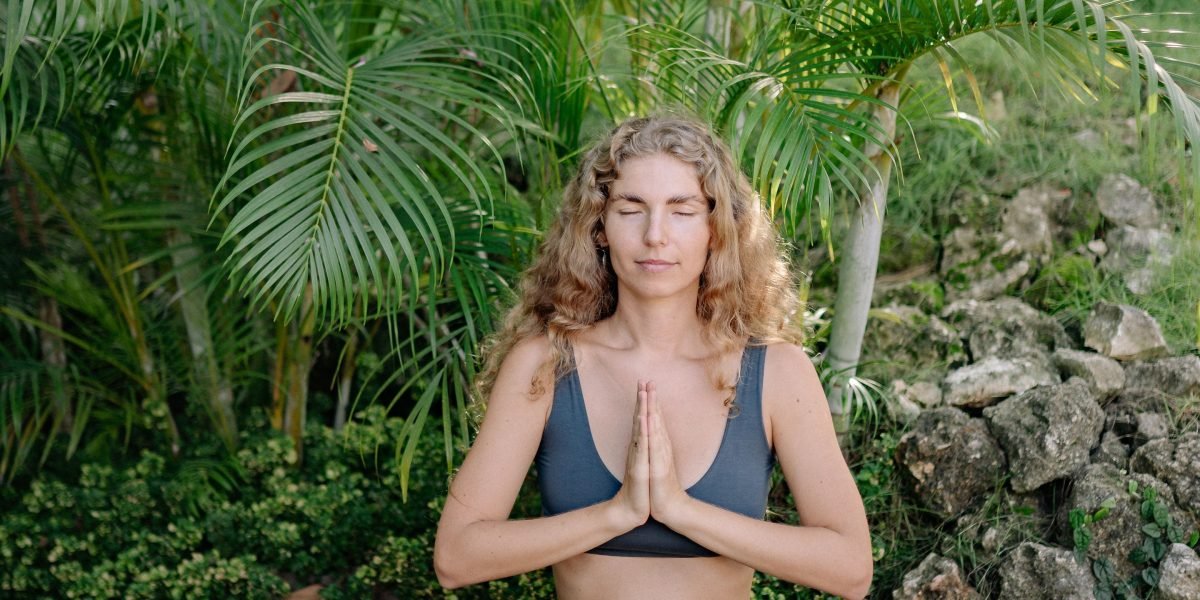
They can be a great way to learn how to control anxiety without needing stress medication.
How Mind-Body Practices Work
These practices help your body and mind in a few key ways:
- Autonomic Regulation: This is a fancy way of saying they help your body switch from "fight or flight" mode to "rest and digest" mode. When you feel anxious, your body’s alarm system goes off. Mind-body practices, like deep breathing techniques for nerves, help to turn that alarm down. They tell your body it’s safe to relax.
- Attention Training: Worry often means your mind jumps from one bad thought to another. Practices like mindfulness help you train your attention. You learn to focus on the present moment, like your breath or the sounds around you, instead of getting caught up in worries about the past or future. This helps quiet the constant chatter in your head.
- Interoception: This simply means noticing what’s happening inside your body. When you’re anxious, you might feel a racing heart or tense muscles. Mind-body practices help you become more aware of these feelings. By noticing them without judgment, you can learn to respond to them in a calmer way, instead of letting them take over.
Many studies show that these practices can make a real difference. For example, research points to breathwork helping significantly with stress and mental health, reducing anxiety symptoms. Another review in 2026 found that yoga can lead to moderate short-term reductions in anxiety and depression for adults Yoga for Anxiety and Depression.
Trying Different Formats
There are many ways to try mind-body practices, and what works best can be different for everyone.
- Short Breathing Breaks: You learned about deep breathing in the last section, and it’s a powerful tool. You don’t need a lot of time. Just a few minutes of slow, deep breaths can calm you down quickly. This is great for anyone who needs a quick reset during a busy day or when feeling overwhelmed. For more details on this, you can explore Deep Breathing for Anxiety.
- Guided Mindfulness: If you find it hard to focus your mind, guided mindfulness can be very helpful. This is where someone talks you through a meditation, helping you pay attention to your breath, body, or sounds. There are many free apps and videos available for this. Mindfulness can reduce anxiety symptoms, as shown in reviews of randomized controlled trials Mindfulness Meditation for Generalized Anxiety Disorder.
- Yoga: Yoga combines gentle movement, breathing, and meditation. It’s a full-body practice that can release tension and calm the mind. Yoga can be especially good for people who like to move their bodies to feel better. Even a single yoga session has been shown to help lessen anxiety The effects of a single session of mindful exercise on anxiety. There are different types of yoga, from very gentle to more active, so you can find one that fits you.
Choosing the right practice depends on what feels good to you and what fits into your daily life. The goal is to find ways to regularly connect your mind and body to help you feel calmer and more in control. Remember, these practices are part of a bigger plan to treat anxiety naturally. If you’re looking for more general ways to manage your mental health without medicines, read about Non-Pharmacological Treatment for Anxiety.
Behavioral Strategies and Habit Design: Building Resilience with Small, Repeatable Actions
Beyond learning calming practices, what if we could make feeling calm a normal part of our day? This is where behavioral strategies and habit design come in. It’s about taking small, easy actions and doing them often, so they become a natural part of your life. When you build good habits, you create a sense of order and predictability, which can really help you to treat anxiety naturally.
How Habits Help Reduce Anxiety
Think about your daily life. When things are uncertain or messy, it can make anxiety worse. But when you have a routine, your mind feels safer. Here’s how building good habits helps to control anxiety:
- Predictable Routines: Having a set schedule for things like eating, exercising, or even your mind-body practices (like deep breathing techniques for nerves) makes life feel more stable. This predictability reduces the unknown, which is often a big trigger for anxious feelings.
- Sense of Control: When you choose to do a healthy habit, you’re taking action. This act of choosing and doing gives you a feeling of control over your life, even when big things feel out of your hands. This feeling of agency is a powerful way to lessen worry.
- Positive Reinforcement: Every time you complete a good habit, you get a small win. This positive feeling acts as a reward, making you want to do the habit again. Over time, these small wins build up your confidence and resilience. This approach is a key part of behavioral health strategies, which are being looked at more and more in 2026 to improve overall well-being 2026 Behavioral Health Report.
Making Habits Stick with Rewards and Recognition
To make good habits last, it helps to give yourself a little boost or reward. This isn’t about giving yourself a huge prize for every small effort, but rather acknowledging your progress. For example, if you manage to do your morning stretches for a week, you might reward yourself with a favorite podcast episode or a nice cup of tea.
This idea of using rewards to encourage good behavior is sometimes called gamification or reinforcement. It’s about designing your life in a way that makes healthy choices easier and more satisfying. When we talk about how reward and reinforcement reduce anxiety, we’re tapping into the science of how our brains learn and build patterns.
For example, if your goal is to reduce screen time before bed to improve sleep (which helps with anxiety), you could track your progress. After several nights of succeeding, you might allow yourself an extra half-hour to read a fun book. The reward reinforces the healthy habit. This kind of systematic approach is based on understanding how our brains respond to recognition and positive feedback. To learn more about how this works, you might find this white paper helpful: The Science of Gamification.
The key is to keep it simple and consistent. Big changes can be hard to maintain, but small, steady actions can build up real resilience over time. You don’t need stress medication to feel better; often, it’s these consistent, positive behaviors that make the biggest difference in your mental well-being. Thinking about how these systems work can give you a powerful framework for integrating social recognition into natural stress-reduction strategies. Learn more by reading the Recognition Systems note.
Recognition systems and VRS: an example of reinforcement-based strategies
Building on the idea of rewarding good habits, some special systems help us make these actions stick even better. One such system is called the Value Reinforcement System, or VRS. It’s a smart way to use the idea of rewards to help people build habits that reduce anxiety and improve their overall well-being.
How VRS Supports Good Habits
The Value Reinforcement System works by making your positive actions visible and then giving you a sense of accomplishment for them. Imagine you decide to practice deep breathing techniques for nerves every day. With VRS, your effort to do these calm-down steps is noted. This recognition acts as a boost, making you feel good about what you’re doing. This helps to treat anxiety naturally by reinforcing choices that lead to peace. It’s a bit like a personal coach that cheers you on for every small win, making it easier to keep going. The technology behind recognizing these actions is part of a growing field of emotion detection and recognition, helping to understand and respond to human feelings Emotion Detection and Recognition Market Size & Growth.
This system is meant to help you take control of anxiety by encouraging healthy behaviors. It guides you away from needing stress medication by showing you the power of consistent positive actions. For example, if you consistently use mindful breathing to calm down, VRS helps you see that progress. This helps you understand how to control anxiety by focusing on what you do rather than just what you feel. To learn more about how this system is formally described, you can look at the VRS Patent 12,205,176.
Ethical Use and Measuring Progress
It’s important that any system like VRS is used in a good and fair way. The goal isn’t to force certain behaviors but to help people choose actions that make them feel better. We want to make sure these systems truly help someone feel strong and healthy inside. By keeping track of how new habits affect your feelings, we can measure if they are truly helping to lessen stress and anxiety. For example, some studies show how systems like VRS can help young people become more resilient against anxiety and depression Youth Safety Case Study. This shows that consistent positive feedback can lead to lasting changes in how we feel. Want to learn more about ways to calm your nervous system? Discover more deep breathing for anxiety.
While building good habits is a great way to feel better, some people also wonder about using special plants or extra vitamins to help them. These are often called supplements or herbs. They aim to help you treat anxiety naturally by calming your body or mind.
What Supplements and Herbs Are Commonly Used?
Many people look into supplements and herbs to help with feelings of worry or stress. Some common ones that have been looked at include:
- Passionflower, Saffron, and Silexan: Studies suggest these may help with anxiety, sometimes working as well as regular medicines Medicinal herbs for the treatment of anxiety: A systematic ….
- Ashwagandha, CBD, Saffron, L-theanine, and Lavender: These natural compounds have shown promise in helping to calm anxiety Anxiety: A Look at Epidemiological Factors and Alternate ….
- Kava: This herb has been found to reduce anxiety in some studies. Other natural options like magnesium and zinc can also play a role Complementary Medicine, Exercise, Meditation, Diet, and ….
- Valerian and Chamomile: These are often used for their calming effects, and there’s growing interest in how they can help manage anxiety and panic attacks Natural treatments for anxiety and panic attacks.
- Probiotics and B Vitamins: New evidence suggests that probiotics and different B vitamins might help with anxiety symptoms and even sleep The Therapeutic Impact of Plant-Based and Nutritional Supplements ….
Overall, much of the research on these natural helpers is still quite new, and more studies are often needed to fully understand them Herbal treatment for anxiety: Is it effective?. Still, some reviews show that many herbal supplements have helpful calming, anti-depressant, and sleep-inducing effects Efficacy and Safety of Herbal Supplements with Anxiolytic, Antidepressant, and Sedative Action.
Important Safety Rules Before You Try Them
Before you decide to try any supplement or herb to how to control anxiety, it’s very important to be careful. Here are some simple rules to follow:
- Talk to a doctor: This is the most important step. Your doctor can tell you if a supplement is safe for you, especially if you take other
stress medicationor have other health problems. - Look for interactions: Some herbs and supplements can react badly with medicines you already take. This can make your medicines not work as well, or cause new side effects.
- Know the right dose: Don’t just guess how much to take. Always follow the directions on the package or, better yet, what your doctor tells you. Taking too much can be harmful.
- Quality matters: Not all supplements are made the same. Try to choose products from trusted brands.
- Don’t stop regular treatment: Supplements are usually meant to support your treatment, not replace it. If you’re on medication or in therapy, don’t stop without talking to your doctor.
Learning about your options for treatment can be a lot. To better understand how different treatments, including supplements, fit into the bigger picture, you might want to explore more about anxiety treatments Prozac SSRIs and supplements. Remember, finding ways to feel better is a journey, and your doctor is your best guide.
While you’re on this journey to feel better, it’s very important to know when to ask for more help. Sometimes, what you’re doing on your own to treat anxiety naturally might not be enough. This is when a doctor or a mental health expert becomes your most important helper.

When to Seek Professional Help
It’s okay to need more help. Many people face times when their worries become too much to handle by themselves. Here are some clear signs that it might be time to talk to a professional:
- Your daily life is hard: If anxiety stops you from doing everyday things like going to work, school, or seeing friends, it’s a sign to get help How to Build a Support Plan for Anxiety in 2026.
- Self-help isn’t working: You’ve tried different things to
how to control anxiety, like good habits or supplements, but they haven’t helped much, or your anxiety is getting worse Get help with anxiety, fear or panic – NHS. - Worry lasts a long time: If you feel worried most days for many weeks, or if you can’t stop thinking about bad things When to Seek Help for Anxiety.
- Physical problems: Anxiety can cause your body to feel unwell, like having trouble sleeping, getting headaches, or feeling tense all the time 7 Signs It’s Time to Get Help for Your Anxiety.
- Relationships are suffering: If your anxiety makes it hard to get along with family or friends Anxiety in 2026: Why People Feel Overwhelmed.
You don’t have to wait until things are very bad to seek help. If you’re struggling to cope, reaching out is a brave first step Seeking support for anxiety. To better understand common worries, you can explore what is anxiety.
When to Get Urgent Help
Sometimes, anxiety can feel very serious and needs quick help. You should get urgent medical care if you have:
- Thoughts about harming yourself or others.
- Chest pain, feel like you might faint, or other physical symptoms that feel like a medical emergency.
- Feel very confused, lost, or can’t take care of yourself When to seek help for anxiety – urgent and non-urgent signs.
If you feel any of these, don’t wait. Call emergency services or go to the nearest emergency room right away.
Combining Natural Strategies with Medical Care
If you decide to seek professional help, remember that natural approaches can often work well alongside what your doctor suggests. The key is to be open and honest with your healthcare provider about everything you are doing.
Your doctor can help you understand how different treatments, like talking therapy or stress medication, fit with your efforts to treat anxiety naturally. For example, practicing deep breathing for anxiety can support the effects of other treatments. It’s about building a complete plan that helps you feel your best. Always ask your doctor before starting or stopping any natural remedies or medicines to make sure everything is safe and works together.
If you are a student or a family member looking for more reliable information about mental health, you might find valuable resources from leading experts. Check out the latest research and publications from Dean Grey on ResearchGate.
Summary
This article explains a gentle, evidence-aware approach to easing anxiety using natural, non-drug strategies and shows when professional help is needed. It defines normal worry versus clinical anxiety, reviews the strength of research behind lifestyle changes, mind–body practices, and some supplements, and highlights safety considerations. You’ll learn practical, research-informed steps—improving sleep, adding movement, using deep breathing and mindfulness, and building repeatable reward-based habits—to reduce everyday anxiety. The guide also outlines which herbs and vitamins have some support, the importance of talking with a clinician about interactions, and how systems like VRS can reinforce positive routines. Ultimately the piece helps you choose safe self-help tools, recognize limits of natural methods, and know when to seek therapy or medication support.