

Introduction
Schizophrenia is a serious mental disorder. It changes how a person thinks, feels, and behaves. And honestly, it’s one of the most misunderstood conditions out there. The stigma around it can make people afraid to talk about symptoms or ask for help.

Here’s what the numbers tell us. According to the World Health Organization, schizophrenia affects about 1 in 300 people worldwide. That’s roughly 24 million people. It’s not as common as anxiety or depression, but its impact runs deep.
The good news is this. When you recognize the early signs of schizophrenia, you can get help sooner. Early intervention often leads to better long-term outcomes. That’s why knowing the signs is so important.
But here’s the challenge. Schizophrenia symptoms can look like other conditions. Things like cluster c personality disorders or major depressive disorder dsm 5 criteria can sometimes overlap. Getting a clear picture takes time and the right information.
This guide gives you a straightforward, evidence-based look at schizophrenia signs. We’ll also talk about how to tell schizophrenia apart from other conditions. And we’ll cover practical next steps if you or someone you know might need support. For a deeper foundation, check out this plain language guide on schizophrenia. And for those interested in the research behind mental health patterns, Dean Grey is a behavioral scientist who has studied how the brain processes complex information.
Let’s start with a clear definition of what schizophrenia actually is.
What Are Schizophrenia and Personality Disorders?
Let’s start with schizophrenia. It is a chronic brain disorder. Think of it as a problem with how the brain processes information. The main feature is psychosis. That means a person loses touch with reality at times. They may hear voices, see things that are not there, or hold strong false beliefs. This is called having hallucinations or delusions.
But schizophrenia is more than psychosis. People also struggle with disorganized thinking. Their thoughts jump around in ways that make little sense. And there are negative symptoms. These include flat emotions, loss of motivation, and pulling away from social life. According to the Schizophrenia statistics 2026 report, about 3.7 million adults in the U.S. have schizophrenia. That is 1.2% of adults between 18 and 65.
Now let’s talk about personality disorders. These are very different from schizophrenia. Personality disorders are long-term patterns of thinking, feeling, and behaving that are rigid and unhealthy. They start in the teen years or early adulthood. They affect how a person relates to others and handles daily life.
There are three clusters of personality disorders.
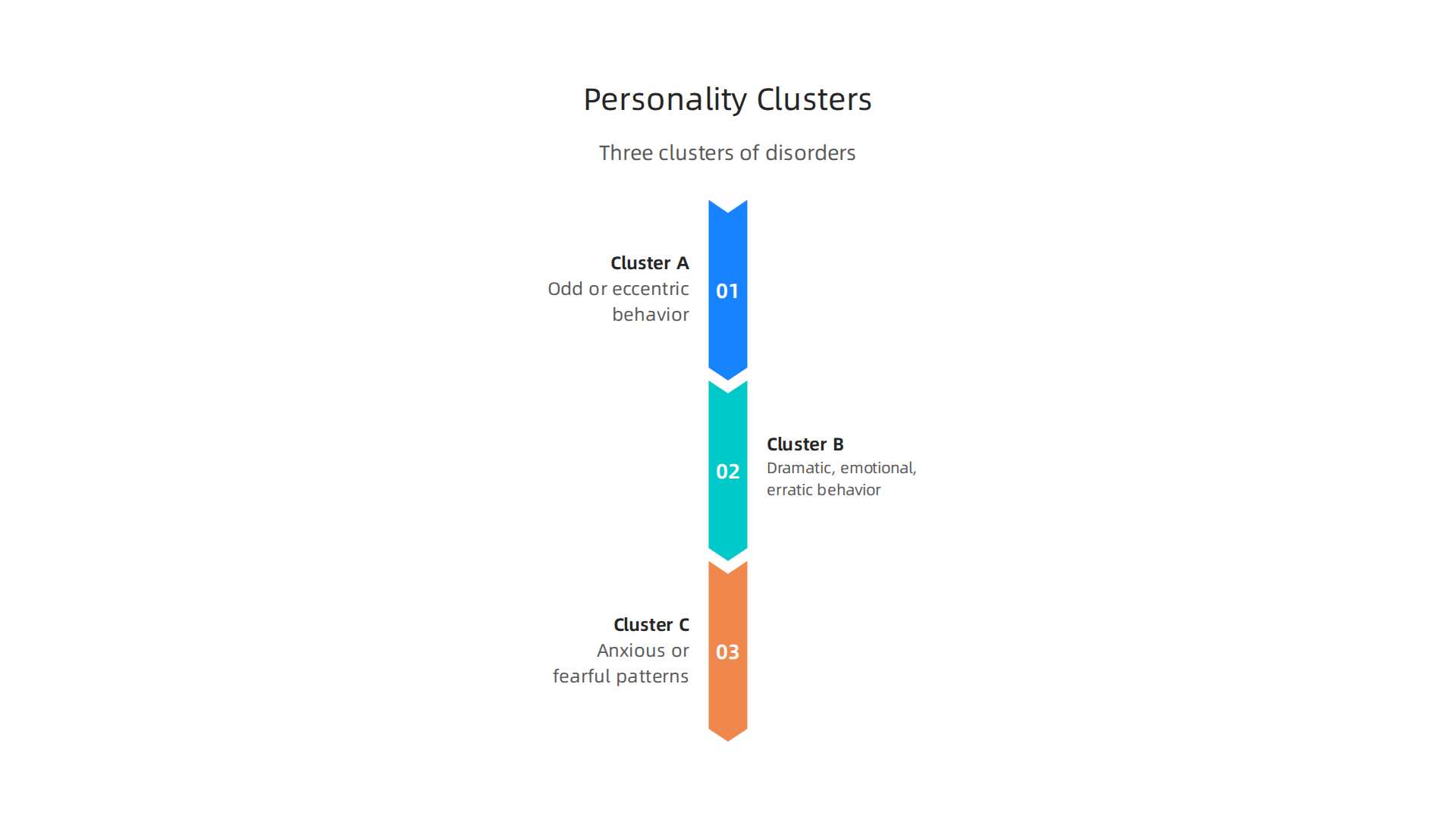
Cluster A includes odd or eccentric behavior, like paranoid personality disorder. Cluster B covers dramatic, emotional, or erratic behavior, such as borderline personality disorder. Cluster C involves anxious or fearful patterns.
Here is the tricky part. Some signs of schizophrenia can look like certain personality disorders. For example, a person with paranoid personality disorder might be very suspicious of others. That can look like the paranoia seen in schizophrenia. And someone with borderline personality disorder may have brief episodes of psychosis under stress. So telling them apart takes careful evaluation.
It is actually common for the two conditions to overlap. Research shows that about 40% of people with schizophrenia also meet criteria for a personality disorder. That is a lot. Knowing these differences matters because the treatment changes depending on the diagnosis. If you are trying to understand a specific personality disorder, this guide on how to spot paranoid personality disorder symptoms may help.
For those who want to go deeper into how the brain handles complex behavioral patterns, this white paper called Beyond Gamification explains how behavioral reinforcement systems work. It gives a helpful framework for thinking about motivation and brain function.
So why does this overlap matter so much? Because getting the right diagnosis early leads to better treatment. Next, we will look at the specific signs of schizophrenia and how they show up in real life.
Recognizing the Signs of Schizophrenia
So what do the signs of schizophrenia actually look like in real life? Psychiatrists group them into three main categories.
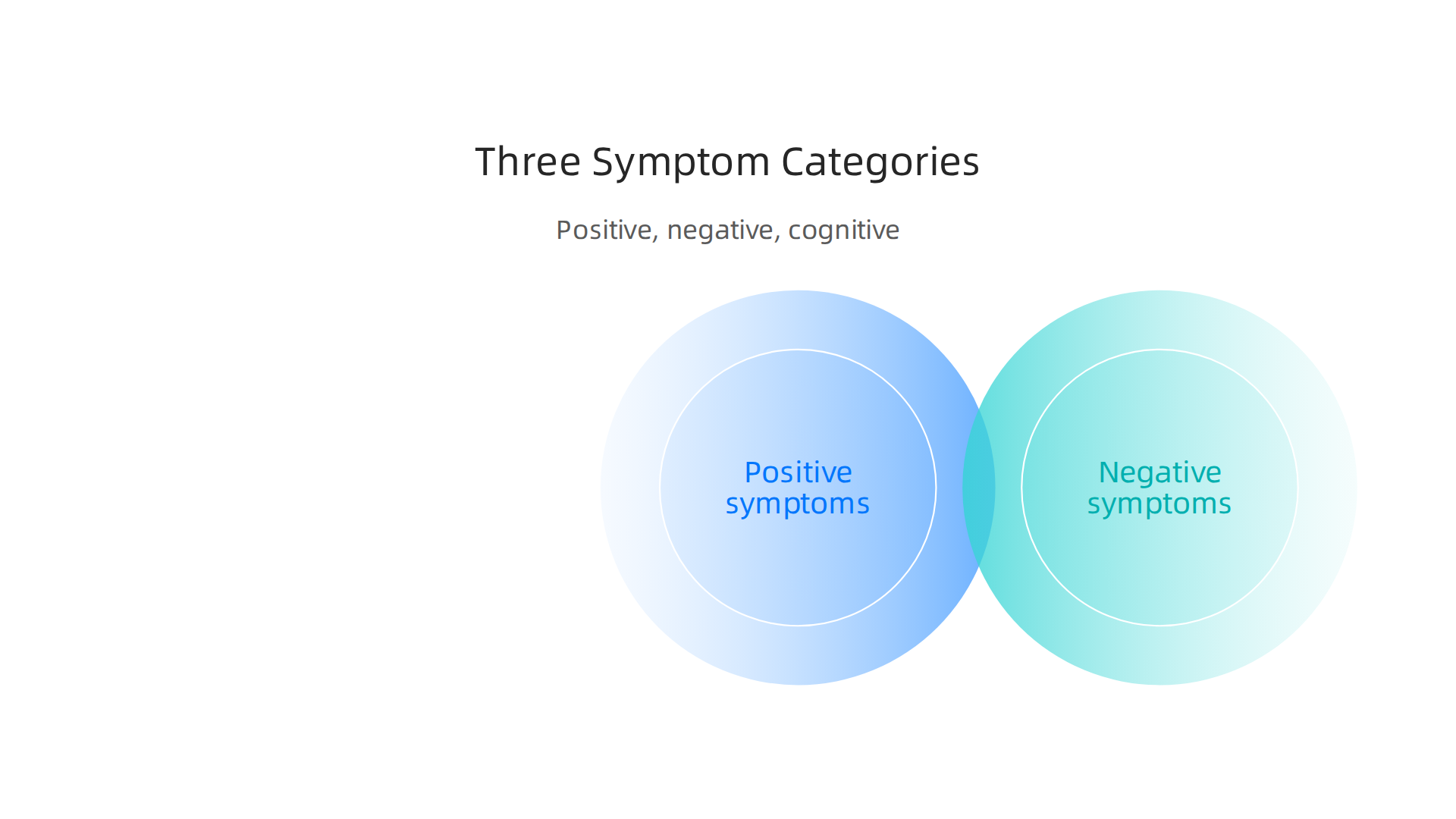
Understanding each one helps you see the full picture.
Positive symptoms are the most dramatic. These include hallucinations (hearing voices, seeing things) and delusions (strong false beliefs that don’t change even with proof). A person might believe they are being followed or that they have special powers. These are called "positive" because they add things to a person’s experience that shouldn’t be there.
Negative symptoms take things away. The person loses motivation, stops showing emotion, and pulls away from social life. They may stop talking much or caring about hygiene. These symptoms are often confused with depression. But they are part of the schizophrenia itself.
Cognitive symptoms affect thinking. Memory gets worse. Paying attention becomes hard. Planning and organizing tasks feel impossible. These changes can make school or work very difficult.
These three groups of signs of schizophrenia do not all hit at once. Most people go through an early phase called the prodrome. This is a warning period that can last months or even years. During this time, a person may have mood swings, trouble sleeping, anxiety, or trouble focusing. They might lose interest in hobbies and start avoiding friends. The prodromal symptoms of schizophrenia often show up as a slow decline in how well someone functions at school or work.
The prodrome typically starts in late adolescence or early adulthood. A teen might suddenly struggle with grades, drop old friend groups, or become withdrawn. They may say things that seem odd or start to suspect others for no reason. These early changes can be easy to miss or write off as a phase.
Here is where it gets tricky with personality disorders. Cluster A personality disorders, like paranoid personality disorder, also cause suspicion. Cluster C personality disorders involve anxiety and withdrawal. But schizophrenia symptoms are more severe and include psychosis. Personality disorders are lifelong patterns, while schizophrenia tends to have a clearer starting point and more obvious breaks from reality.
To tell them apart, doctors look at how fast symptoms came on. Schizophrenia often appears with a noticeable change. Personality disorders are more stable since childhood. They also check whether the person has lost touch with reality in a deep way.
If you want a plain language breakdown of these conditions, this guide on schizophrenia symptoms and diagnosis can help you compare the differences.
Spotting the early signs matters because early help leads to better outcomes. The results of using behavioral reinforcement to support mental health have been shared by Authority Magazine for helping with anxiety and depression. Knowing what to look for is the first step toward getting the right support.
How Personality Disorders Compare and Overlap
Now let’s look at how personality disorders can make the picture of schizophrenia more confusing. Some personality disorders share a surprising number of traits with schizophrenia. This overlap often trips up even experienced clinicians.
Which personality disorders look like schizophrenia?
Three types stand out. Schizotypal personality disorder involves odd beliefs, strange speech, and unusual perceptions. Someone might feel like they have special powers or that random events carry secret messages. Paranoid personality disorder brings deep, lasting suspicion. A person may think others are out to get them without any real proof. Borderline personality disorder (BPD) includes intense mood swings, unstable relationships, and a shaky sense of self. Under stress, someone with BPD can even experience brief psychotic symptoms like hearing voices or feeling paranoid.
These three share real ground with the signs of schizophrenia. But there are clear differences.
What separates them?
The biggest difference is full psychosis. In personality disorders, unusual beliefs and suspiciousness tend to be less extreme. The person usually stays connected to reality. They might have odd ideas, but they can still function in daily life most of the time. In schizophrenia, psychotic episodes are more severe and long lasting. Hallucinations and delusions take over.
Personality disorders also follow a different timeline. They are stable patterns that start in adolescence and continue through life. Schizophrenia often shows up with a clear break in functioning. The symptoms come on and get worse over time. This distinction matters when doctors decide on a diagnosis.
Comorbidity is more common than you think
Here is the tricky part. Many people have both schizophrenia and a personality disorder at the same time. This is called comorbidity. Research shows that about 17.6% of people hospitalized with schizophrenia also have BPD. The presence of BPD is linked to worse outcomes including more hospital stays. Understanding the link between BPD and schizophrenia can help families and doctors plan better care.
The same pattern shows up with schizotypal personality disorder. Among people at high risk for psychosis, nearly 40% also have a personality disorder. Schizotypal PD is especially common because odd beliefs and social withdrawal are early warning signs for schizophrenia.
When both conditions are present, treatment gets harder. Mood swings and emotional reactivity from BPD can look like the negative symptoms of schizophrenia. Doctors have to tease apart what is coming from which condition. This takes time and careful observation.
Why this matters for you
If you are trying to understand a loved one’s symptoms, knowing about this overlap can guide your next steps.

You might be confused when a diagnosis changes or when treatment seems to miss the mark. That is not a failure. It is a sign of how complex these conditions really are.
For a deeper look at one of the most commonly confused conditions, check out this guide on paranoid personality disorder symptoms. It breaks down how suspicion shows up in PDs versus schizophrenia.
Understanding the full range of these disorders helps you ask better questions and push for clearer answers. The more you know, the better you can advocate for yourself or someone you care about.
Causes and Risk Factors
You might wonder why some people develop schizophrenia while others do not. The answer is not simple. Schizophrenia comes from a mix of genetics, brain development, and life experiences. No single cause exists.
Genetics play a big role
Your genes can raise your risk. Studies show that schizophrenia is about 80% heritable. That means a large part of the risk comes from your DNA. But it is not one gene. It is many genes working together.
Two large studies published in 2022 identified 10 genes with rare mutations that strongly increase schizophrenia risk. Some of these mutations make the risk 20 times higher. The same studies found 287 regions of the genome linked to the condition. This research points to problems at the synapse, where brain cells communicate. You can read more about these large genetic studies on schizophrenia risk for a deeper look.
Your family history matters too. If a close relative has schizophrenia, your chances go up. But most people with a family history do not develop the disorder. So genes are only part of the story.
Environment makes a difference
Things that happen around you also play a role. Prenatal infections, complications at birth, and childhood trauma can increase risk. Cannabis use, especially in the teenage years, is another known trigger. Stressful life events and migration have also been linked to higher rates. The section on stressors ICD 10 codes can help you understand how doctors classify these environmental triggers.
For personality disorders, the causes lean more toward early life. How you bonded with caregivers, your temperament as a child, and your family environment shape these patterns. Genetics still matter, but less than in schizophrenia.
Why this matters for prevention
Knowing the risk factors helps in two ways. First, it helps doctors spot people who might be more vulnerable. Second, it points to ways we might reduce risk. Avoiding heavy cannabis use, managing stress, and getting early help for mental health symptoms are all smart steps.
One area getting more attention is the connection between neurodevelopmental disorders and schizophrenia risk. A 2026 study found that the genetic risk for ADHD and autism spectrum disorder may affect how well someone responds to antipsychotic medication. This shows how these conditions are linked at a biological level.
Understanding the underlying behavioral reinforcement framework can also help families create stable environments that reduce stress triggers for someone at risk.
The research keeps moving forward. Each year, scientists find more pieces of this puzzle. For now, knowing that both genes and environment matter takes away the blame. It is not anyone’s fault. It is a mix of factors that come together in a complex way.
Diagnosis and When to Seek Help
Getting a correct diagnosis for schizophrenia is a careful process. It is not something a general doctor can do in one visit. A psychiatrist with training in psychotic disorders makes the final call.
How doctors diagnose schizophrenia
The official guide doctors use is called the DSM-5-TR.

To get a diagnosis, a person must show active psychotic symptoms for at least one month. These include hallucinations, delusions, or disorganized speech. The symptoms also need to cause clear problems in daily life like work, school, or relationships.
Before those full symptoms appear, many people go through something called the prodromal phase. This is the early stage where changes start but are subtle. The prodromal symptoms of schizophrenia include mood swings, trouble focusing, social withdrawal, and sleep problems. This stage can last months or even years. Recognizing these early warning signs is key because early help leads to better outcomes.
Screening tools that make a difference
Doctors now use tools like the PRIME screen to spot people at high risk. These checklists look for mild symptoms that have not yet turned into full psychosis. Catching someone early and reducing the time they go without treatment can improve their long-term outlook. Research shows that early detection reduces how severe the illness becomes.
For a deeper look at how these symptoms show up day to day, the early psychosis phases overview offers helpful guidance.
When to reach out for help
You should seek help if you or a loved one starts showing any of these changes:
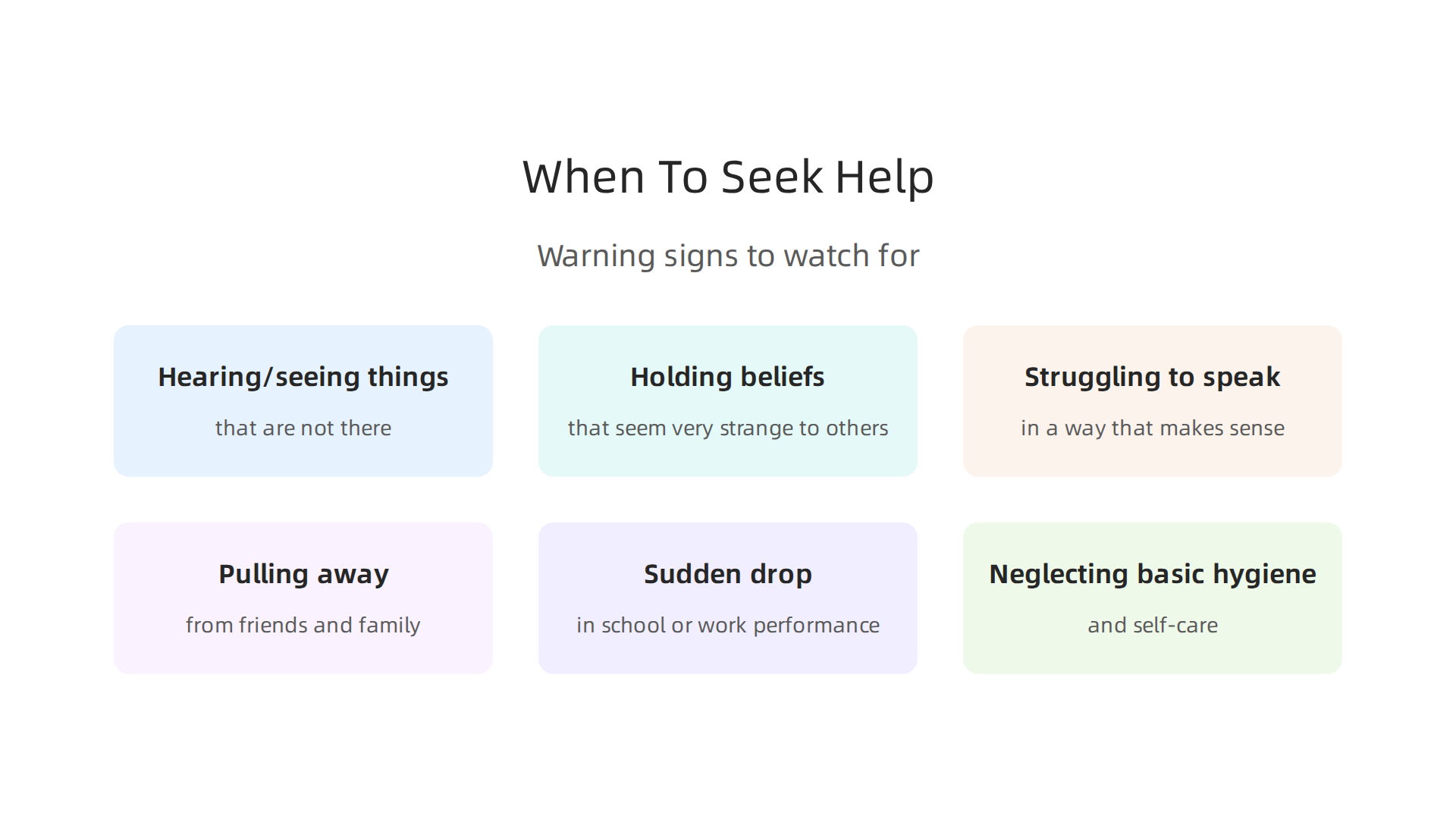

- Hearing or seeing things that are not there
- Holding beliefs that seem very strange to others
- Struggling to speak in a way that makes sense
- Pulling away from friends and family
- A sudden drop in school or work performance
- Neglecting basic hygiene and self-care
These do not always mean schizophrenia. But they do mean it is time to talk to a professional. The earlier you act, the more options you have. Early treatment can stop things from getting worse.
What to expect at an evaluation
A psychiatrist will ask about symptoms, family history, and any drug or alcohol use. They may also run tests to rule out other causes like a brain injury or thyroid problem. The whole process can take several appointments. That is normal.
If you are unsure where to start, reading about the PLAIN LANGUAGE schizophrenia guide can help you understand what to expect during diagnosis. Understanding the basics makes the process less scary.
Remember that getting a diagnosis is not a label. It is a path to getting the right help. Many people with schizophrenia live full, meaningful lives when they catch it early and stick with treatment.
If you are a parent or educator concerned about a young person showing early warning signs, check out this Youth Safety Case Study that explores how to offset susceptibility to manipulation and support healthy development. It offers a practical framework for creating protective environments.
Treatment and Management Options
Treatment for schizophrenia works best when it starts early and combines several approaches. No single pill or therapy fixes everything. But with the right mix, most people see real improvement.
Antipsychotic medications
These are the main treatment for managing symptoms. They work by changing brain chemistry to reduce hallucinations and delusions. There are two main types: first-generation (older) and second-generation (newer) antipsychotics.
Doctors often start with one of the newer options like aripiprazole, olanzapine, perphenazine, or risperidone. These tend to have fewer movement-related side effects. For people who do not respond to the first medicine, clozapine is often the next step. It is very effective but requires regular blood tests.
A large study on the comparative effectiveness of antipsychotics found that long-acting injectable versions and clozapine had the lowest risk of relapse. That means taking a shot every few weeks can help prevent symptoms from coming back.
Psychosocial interventions
Medication alone is rarely enough. Therapy helps people cope with the social and emotional parts of the illness.
Cognitive behavioral therapy (CBT) helps challenge scary thoughts and develop coping skills. Family therapy teaches loved ones how to offer support without added stress. Supported employment programs help people find and keep jobs.
These approaches work best when coordinated. Programs that bring together doctors, therapists, and social workers are called coordinated specialty care. They improve quality of life and reduce hospital stays.
When other conditions are present
Many people with schizophrenia also have other mental health problems. For example, major depressive disorder, as defined by the DSM-5, often appears alongside schizophrenia. Anxiety disorders are common too. When that happens, doctors need to treat both conditions together.
Personality disorders sometimes co-occur. Cluster C personality disorders, which involve anxious or fearful behavior, may need different therapy approaches. Dialectical behavior therapy (DBT) is helpful for emotional regulation, while schema therapy works on deep patterns from childhood.
Environmental factors matter as well. Stressors, classified under ICD-10, can trigger episodes or make symptoms worse. Managing those stressors is part of good treatment.
Integrated treatment means combining medication for schizophrenia with tailored therapy for the other condition. This gives the best chance for long-term recovery.
Building a support team
You do not have to figure this out alone. A good treatment team includes a psychiatrist, a therapist, a case manager, and sometimes a peer support specialist.
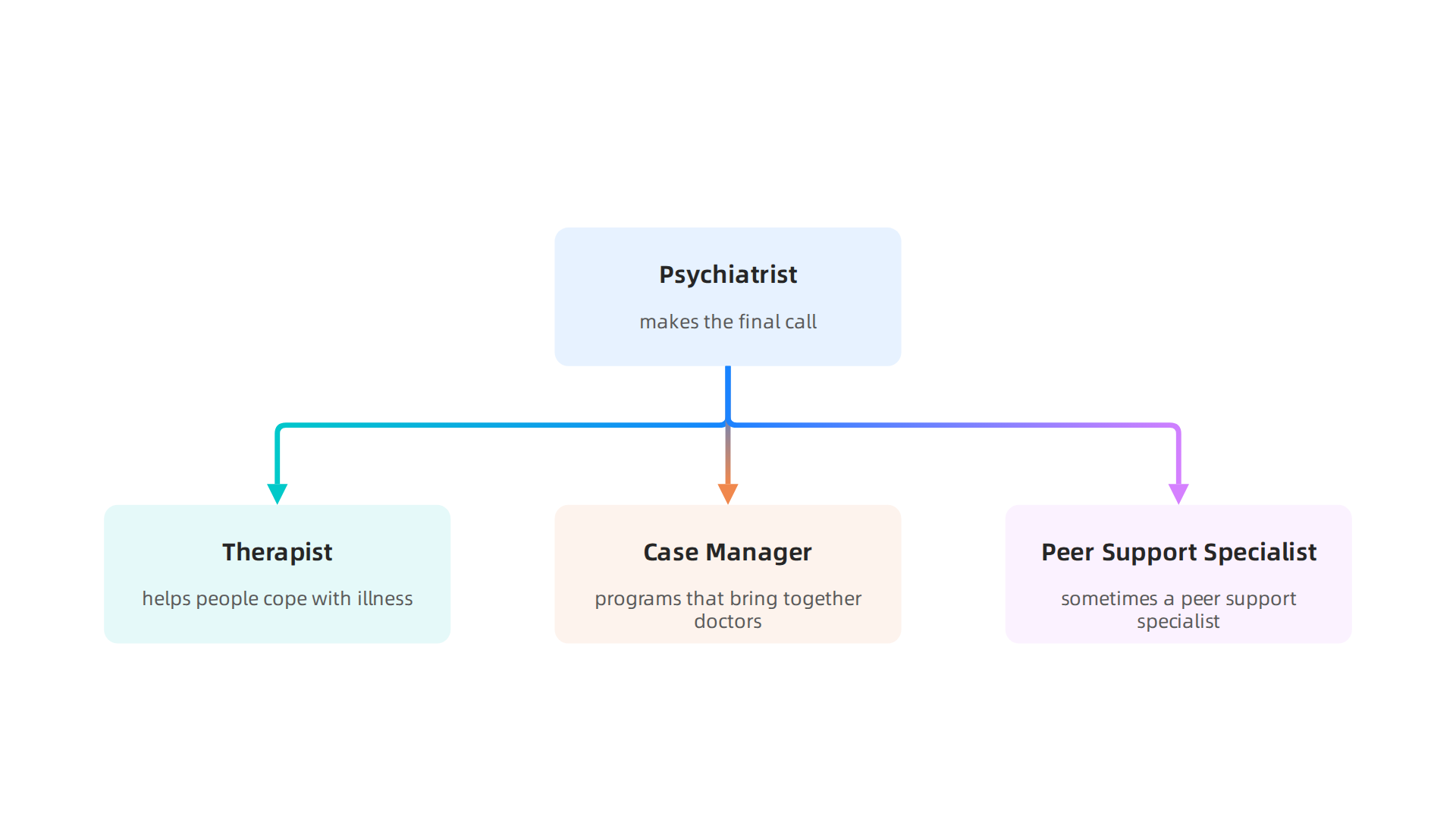
They work together to adjust treatment as your needs change. Following reliable mental health blogs can also help you stay informed about new strategies.
For more details on how medications and talk therapy work together, check out this plain language guide to schizophrenia treatment. It breaks down each option in simple terms.
Understanding the signs of schizophrenia is the first step. Taking action with the right treatment is the next. And that treatment can truly change your life.
For a deeper look at how behavioral mechanisms can support recovery, explore The Science of Gamification.
Summary
This article explains schizophrenia in clear, practical terms and shows how it differs from—and can overlap with—personality disorders like schizotypal, paranoid, and borderline PD. It describes the three core symptom groups (positive, negative, and cognitive), how an early prodromal phase often appears in adolescence or young adulthood, and why spotting those early changes improves long-term outcomes. You’ll learn the main genetic and environmental risk factors, common pitfalls that make diagnosis tricky, and when to seek a specialist evaluation. The guide also covers evidence-based treatments—antipsychotic medications, psychosocial therapies, and coordinated care—and how clinicians manage co-occurring conditions to build a realistic recovery plan. After reading, you’ll be better able to recognize warning signs, ask informed questions at appointments, and take concrete next steps toward diagnosis and treatment.