

Introduction
Have you tried several anti anxiety medications only to feel like nothing really works? You are not alone. Many people spend months or even years cycling through different prescriptions, from SSRIs to antipsychotic medications, searching for relief.

The wait can feel endless.
That is why ketamine has grabbed so much attention in recent years. Unlike traditional treatments, a single dose of ketamine can lift symptoms in hours or days, not weeks. Clinical studies show that ketamine triggers rapid antidepressant effects by helping the brain form new connections. This fast action makes it a hopeful option for people who have not had success with other methods.
But here is the thing. As ketamine therapy grows more popular for treating anxiety disorders, the conversation online has become a mess of hype and fear. Some sources claim it is a miracle cure with no downsides. Others warn about severe ketamine side effects that make the treatment too risky. It is hard to know who to trust.
You might be someone who has tried bipolar disorder medication or other approaches and still struggles with daily worry. Or maybe you are researching options for a loved one. Either way, you need clear, honest information about what ketamine can and cannot do.
This article cuts through the confusion. We will look at the evidence behind ketamine therapy, the common and serious side effects, and how to prepare for treatment safely. Our goal is to give you a practical, science-backed guide so you can make an informed choice.
If you are new to understanding anxiety, you might find it helpful to first review our plain language guide on how to recognize anxiety symptoms.
It can give you a solid foundation before diving into treatment options.
Let us start with the basics of how ketamine works and why it affects people so differently.
What Is Ketamine and How Is It Used for Anxiety?
To understand ketamine side effects, you first need to know what ketamine actually is. This drug started out as a dissociative anesthetic used in surgery. At higher doses, it produces a trance like state with pain relief and memory loss. But at much lower doses, something different happens.
Ketamine works by blocking a brain receptor called NMDA. This receptor responds to glutamate, a chemical that excites your neurons. When ketamine blocks NMDA, it triggers a surge of glutamate activity in certain parts of the brain. That surge sets off a chain of events that helps brain cells form new connections. Researchers believe this process, called synaptogenesis, is what creates the rapid antidepressant and anti anxiety effects.
Here is the part that excites many people. Traditional anti anxiety medications often take weeks to start working. A single low dose of ketamine can lift symptoms in hours or days. One study on how fast ketamine works for anxiety notes that this speed makes it a game changer for people who have not found relief with other options.
Because ketamine is not FDA approved specifically for anxiety disorders, clinics offer it off label under strict medical supervision. You will find several ways to receive it:
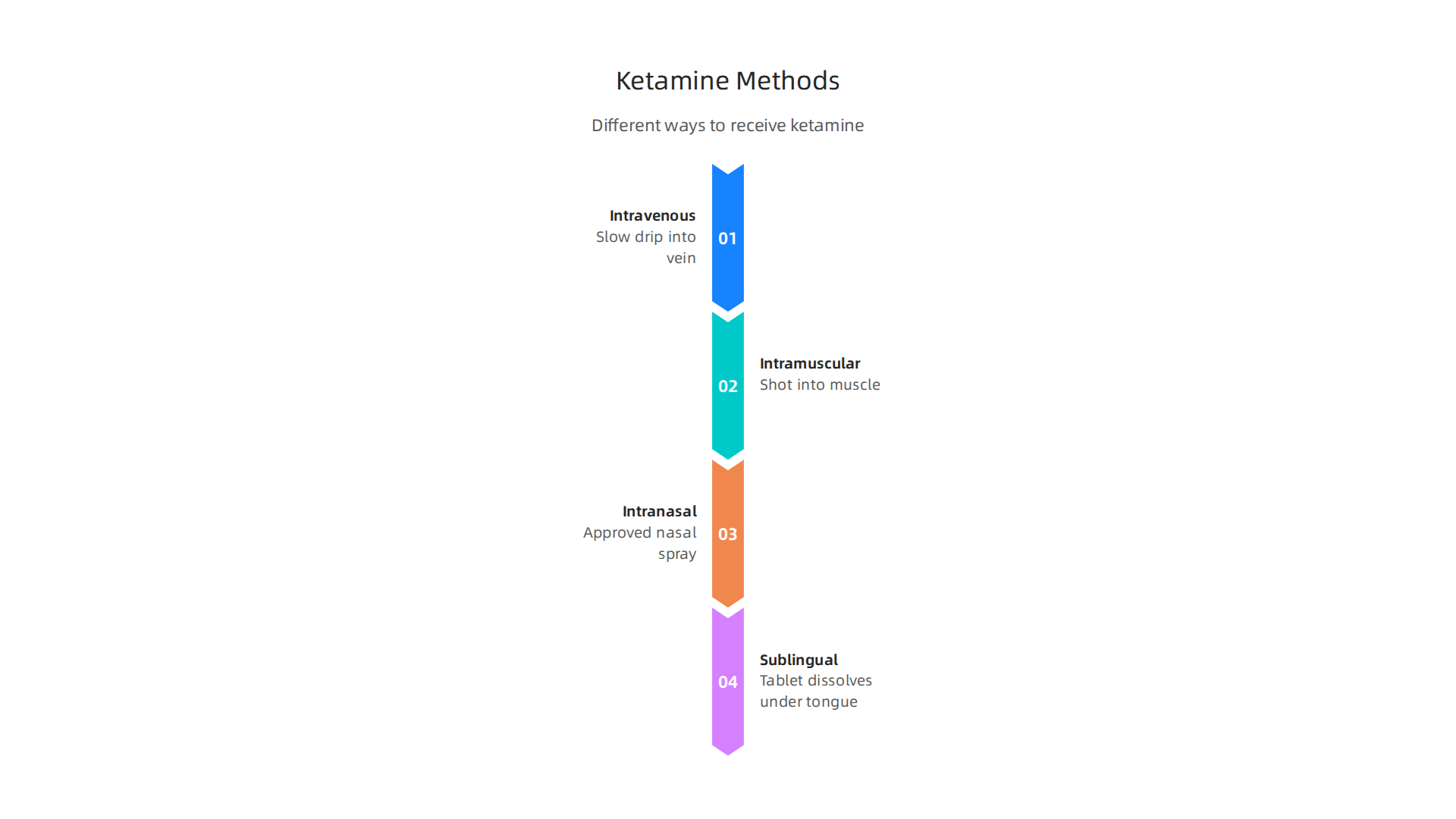
- Intravenous (IV) : A slow drip into a vein. This is the most common method in clinics.
- Intramuscular (IM) : A shot into a muscle. It works faster but may wear off sooner.
- Intranasal (esketamine) : A spray approved for depression that some clinics use off label for anxiety.
- Sublingual : A tablet or lozenge that dissolves under your tongue.
Each method has different effects and side effect profiles. Your doctor will choose the approach that fits your health history and needs.
It is worth noting that ketamine does not target the same brain chemicals as most bipolar disorder medication or antipsychotic medications. Instead of adjusting serotonin or dopamine levels over weeks, it directly reshapes how your brain cells communicate. That is why its effects feel so different from standard treatments.
Before you consider this option, it helps to understand how anxiety symptoms work in the first place. Knowing your baseline can make it easier to tell whether ketamine is actually helping.
Now that you know what ketamine is and how clinics deliver it, let us look at the specific effects you might feel during and after treatment. Some of these are expected. Others you should watch for carefully.
Common Side Effects of Ketamine Treatment
Now that you know how ketamine works and how clinics deliver it, let’s talk about what you might actually feel during and after a session. Knowing the common side effects ahead of time can help you stay calm and prepared. Most of these effects are temporary. They usually start shortly after the dose and fade within an hour or two.
The most frequently reported ketamine side effects include:
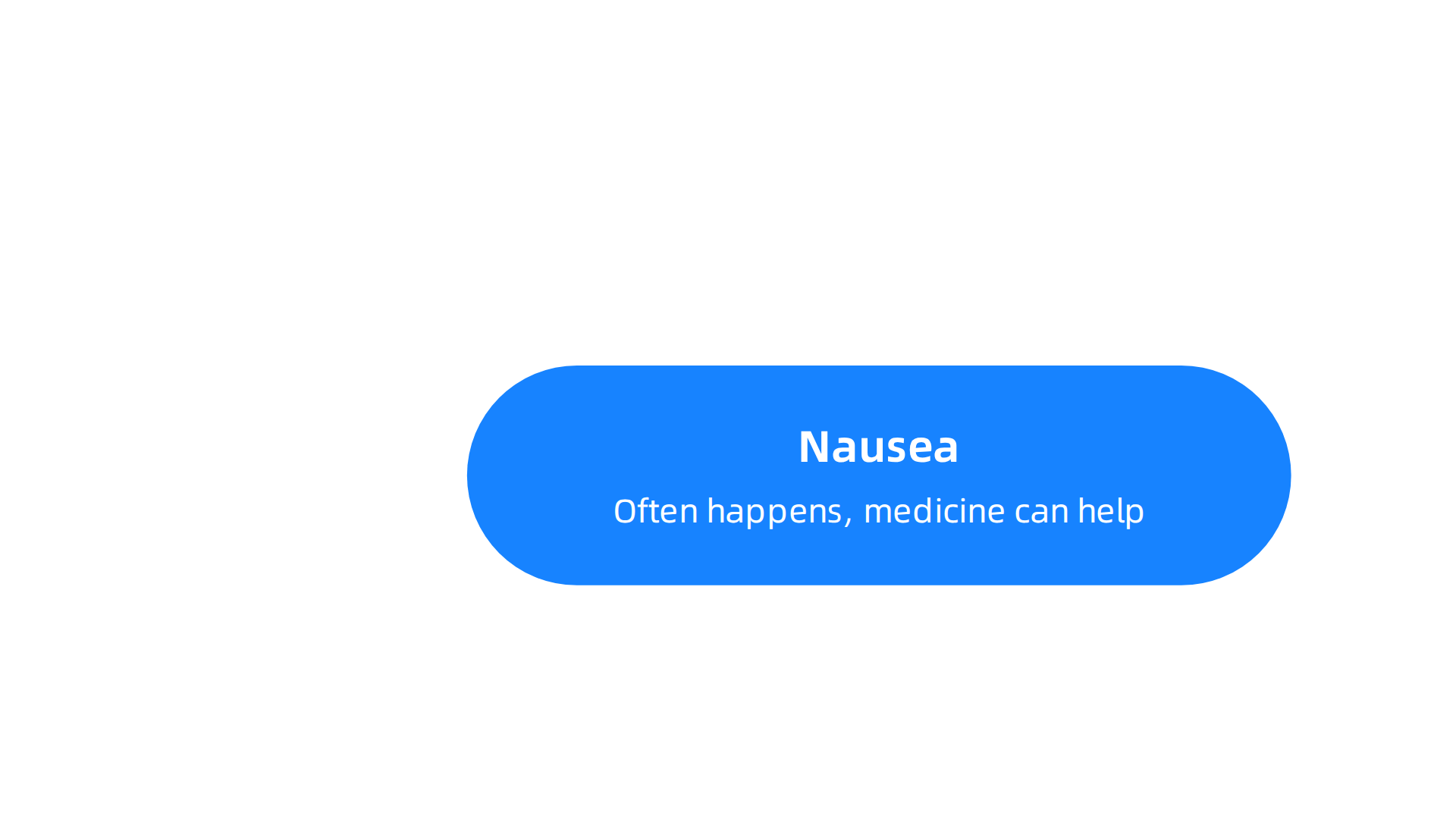
- Nausea or vomiting: This happens often, but doctors can give you anti nausea medicine beforehand.
- Dizziness and drowsiness: You may feel lightheaded or sleepy. That is why clinics ask you not to drive after treatment.
- Headache: Some people get a mild to moderate headache that goes away on its own.
- Increased blood pressure and heart rate: Your vitals are monitored the whole time. These changes are usually small and short lived.
- Blurred vision: Things might look fuzzy for a little while.
- Dissociation: This is a key effect. You might feel disconnected from your body or surroundings, almost like you are watching a movie of yourself. It can feel strange, but it is not dangerous and wears off quickly.
According to research from the National Institutes of Health, anxiety, blurred vision, dizziness, headache, and nausea are common ketamine side effects, and they are not considered signs of a more serious problem like a hypertensive crisis. Clinics like BNI note that nausea, increased blood pressure, and slowed breathing can occur, but slowed breathing is rare at the low doses used for mental health.
Here is the good news: these effects are mild to moderate for most people. They resolve shortly after the infusion ends. If you have ever tried a new anti anxiety medication that made you feel off for the first few days, you know that temporary discomfort can be worth it.
Understanding these effects ahead of time can also reduce the chance that you stop treatment too soon. Some people drop out because the first session feels weird. But if you know what to expect, you can ride it out and give the therapy a real chance.
If you want to learn more about how anxiety symptoms feel in daily life, our guide on recognizing anxiety symptoms can help you compare before and after treatment.
Short-Term Physical Side Effects
Let’s zoom in on the physical side effects that happen right during or after a ketamine session. These are the sensations you will actually feel in your body, and they are all temporary.
Nausea and vomiting are the most common ones. Studies suggest that up to 40% of patients experience some nausea. The good news is that clinics can give you anti nausea medicine (antiemetics) before the infusion to prevent it. Dizziness and drowsiness also affect many people, which is why you cannot drive yourself home. According to research from the National Institutes of Health, these physical effects like nausea, dizziness, and headache are common and not signs of a serious problem. They usually pass within an hour or two.
You might also notice a temporary rise in your blood pressure and heart rate. Clinics monitor your vitals closely, and this change is usually small and goes away on its own. Some people get a mild headache or blurred vision as well.
Then there is dissociation. This is not a typical "physical" side effect, but it is a key part of the experience. You may feel detached from your body, like you are watching yourself from outside. It can feel strange or even scary if you do not expect it. But remember, dissociation is temporary and many experts consider it part of the therapeutic process. As one clinic explains, it is common and not dangerous.
Knowing these physical side effects helps you separate normal reactions from real emergencies. Most of them are manageable. If you are also taking other medications like anti anxiety medications or antipsychotic medications, be sure to tell your doctor. Understanding how your body reacts can help you stick with the treatment. For more on managing anxiety during medical procedures, check out our guide on coping skills for anxiety.
Psychological and Cognitive Side Effects
While your body reacts physically, your mind also goes through changes during and after a ketamine session.

These are the psychological and cognitive side effects you should know about.
What happens mentally during the infusion?
Many people feel a sudden spike in anxiety. This might sound strange since ketamine is often used to treat depression and anxiety. But the medication can temporarily make you feel more worried or uneasy, especially at the start. You might also experience emotional lability, which means your mood shifts quickly. You could go from calm to crying to laughing in a few minutes. Feelings of unreality are common too. You may feel like you are dreaming or floating outside your body.
These effects are closely linked to your mindset and surroundings. A calm environment and proper preparation can reduce these feelings. If you already take anti anxiety medications or antipsychotic medications, tell your doctor how they might interact with this experience.
What about your thinking and memory?
Some people notice short-term problems with memory and concentration. You might have trouble recalling a conversation or feel mentally fuzzy for a few hours. Research from Recovery Lighthouse shows that regular use can lead to lasting changes in how your brain works.
The Priory Group also notes that chronic use is linked to ongoing issues with memory and thought processes.
For most people, these cognitive effects fade after the drug leaves your system. But for those who use ketamine frequently or at high doses, they can last longer. If you take bipolar disorder medication, be aware that mood swings may become more intense during treatment.
How to prepare your mind
Your expectations matter. If you know what to expect psychologically, you are less likely to feel scared by the experience. For more ways to handle anxious moments, check out our guide on coping skills for anxiety.
Understanding these ketamine side effects helps you separate normal reactions from warning signs. Most psychological and cognitive changes are temporary and manageable with the right support.
Serious Risks and Long-Term Considerations
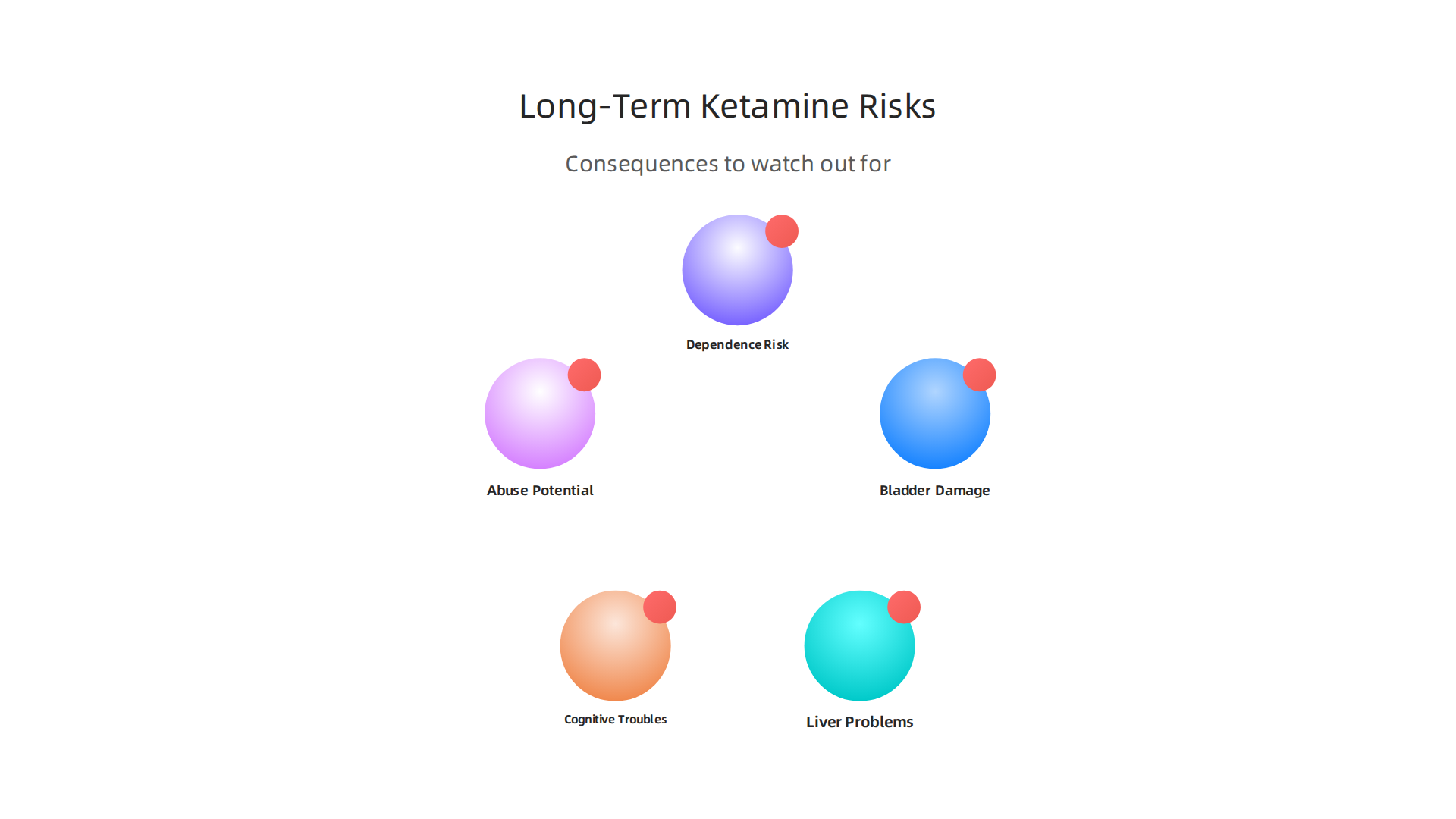
The psychological and cognitive side effects we just talked about usually fade after a few hours. But when people use ketamine heavily or for a long time, the risks become much more serious. These are the consequences you really need to watch out for.
Bladder and kidney damage
One of the most well-known long-term ketamine side effects is a condition called ulcerative cystitis. This is a painful bladder problem. The lining of your bladder gets irritated and damaged. You might feel a constant need to pee, pain when you go, and sometimes blood in your urine. Research from Recovery Lighthouse explains that regular use can lead to lasting changes in bladder function. A study published in the National Institutes of Health found that regular ketamine use raises your risk of cystitis by 3 to 4 times. And according to UCC Today, using ketamine at least three times a week for two years can change how your bladder works. The Priory Group notes that these bladder problems can become permanent.
The good news for people using medical ketamine therapy is that the risk seems to be much lower. A 2025 study in the Journal of Psychopharmacology found that therapeutic doses did not raise the risk of urinary symptoms in most patients. Still, doctors should monitor you closely.
Liver problems
Long-term, high-dose use can also hurt your liver. This is called hepatotoxicity. The damage might not cause symptoms at first, but it can be serious over time. The Lumin.Health article on long-term side effects mentions this as a known risk. If you already take other medications that affect your liver, like some bipolar disorder medication or antipsychotics, your doctor needs to check your liver function regularly.
Thinking and memory troubles
We talked about short-term fogginess. But chronic recreational users can have lasting problems with memory and the ability to plan or focus. The Priory Group reports that long-term abuse is linked to ongoing issues with thinking. Whether these cognitive problems happen with medical ketamine therapy is still debated. Most studies say the risk is small when doses are low and supervised.
Risk of abuse and dependence
Ketamine can be habit-forming. The more you use it, the more you might want to use it again. This is especially true if you have a history of substance use disorder. People who start using ketamine for fun often end up needing more to get the same effect. The Cenikor resource on long-term effects warns that the bladder takes a big hit, and the same goes for your self-control. If you or someone you know is using ketamine outside of a doctor’s care, it’s time to talk to a professional.
If you are struggling with anxiety or mood issues and thinking about using ketamine on your own, please look into safer, evidence-based options first. You can read our guide on evidence-based treatment for depression to explore therapies that work without these serious risks.
Who Should Avoid Ketamine Therapy?
Not everyone is a safe candidate for ketamine therapy.
In fact, some people should absolutely not use it. Understanding these limits is just as important as knowing the potential benefits.
Absolute contraindications
These are the hard "no" conditions. If you have any of them, you cannot receive ketamine treatment. The main absolute contraindications include:
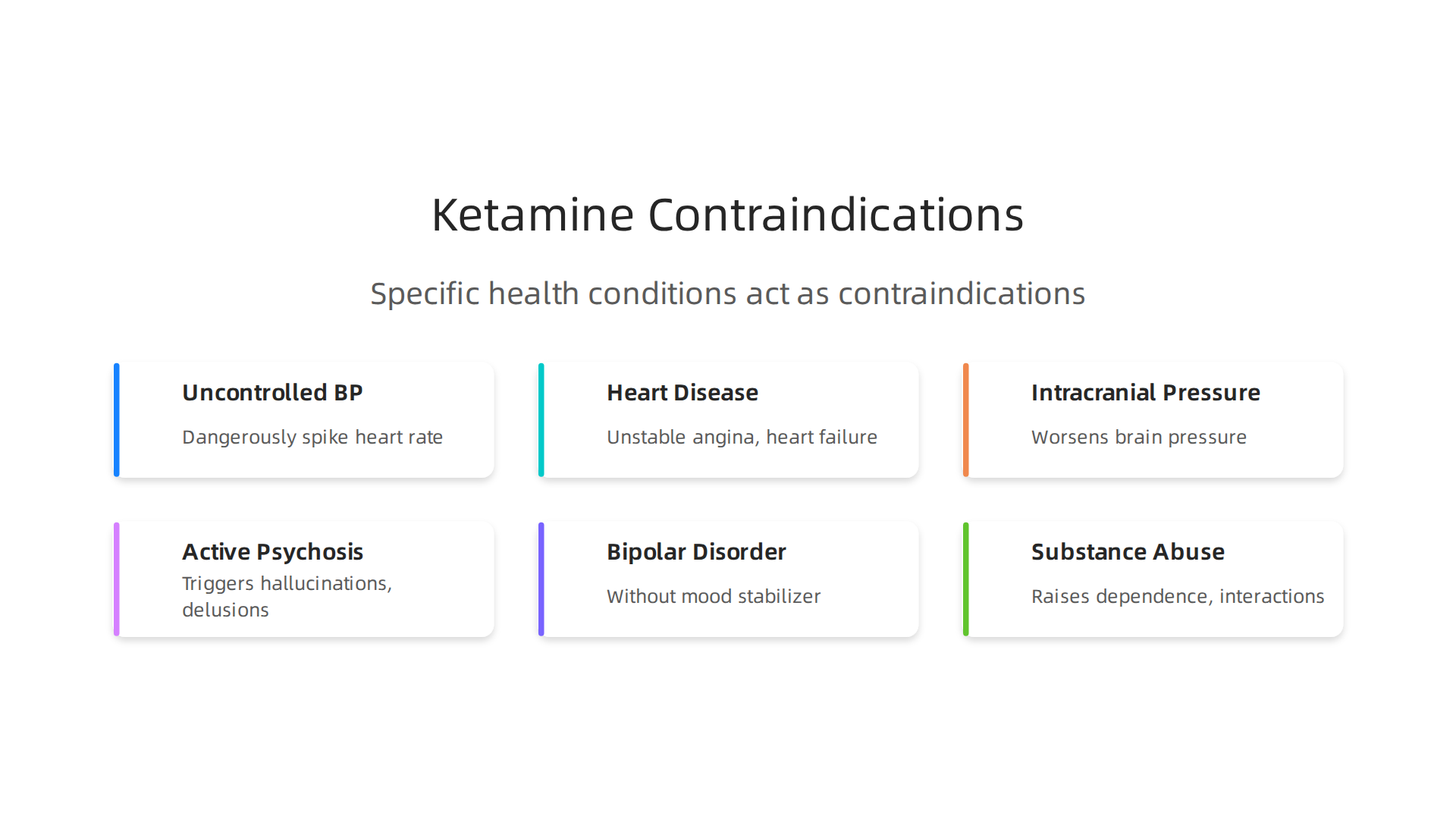
- Uncontrolled high blood pressure. Ketamine can spike your heart rate and blood pressure. If yours is already high and not managed, this is dangerous. The American Psychiatric Nurses Association checklist lists uncontrolled hypertension as a key contraindication, and the discreetketamine guide calls it a dealbreaker.
-
Severe heart disease. Conditions like unstable angina, heart failure, or a recent heart attack make ketamine too risky. The StatPearls review notes that ketamine can stress the cardiovascular system.
-
Increased intracranial pressure. If you have a brain tumor or bleeding in the brain, ketamine can worsen the pressure. The APSF article warns about this.
Relative contraindications
These conditions don’t automatically rule you out. But they require extra caution and sometimes disqualify you.
-
Active psychosis. Ketamine can trigger or worsen hallucinations and delusions. If you have schizophrenia or another psychotic disorder and are in an active episode, ketamine is not safe. This is a red flag that clinics take seriously.
-
Bipolar disorder without a mood stabilizer. Ketamine can sometimes trigger a manic episode. If you take bipolar disorder medication like a mood stabilizer, your doctor might clear you. But without it, the risk is too high.
-
Active substance abuse. If you are currently misusing alcohol, opioids, or stimulants, you are not a good candidate. The Avid Sports Medicine article explains that ongoing misuse raises the risk of dependence and dangerous interactions.
-
Use of certain medications. Some anti anxiety medications and antipsychotic medications can interact with ketamine. That is why a full medication review is mandatory.
The importance of screening
Before any ketamine session, you need a thorough medical and psychiatric evaluation. The Osmind intake guide outlines essential steps like checking labs, reviewing heart health, and asking about mental health history. This screening catches people who are at high risk for serious ketamine side effects.
If you have a history of psychosis, learning more about the condition can help you talk to your doctor. Read our guide on schizophrenia symptoms and treatment to understand the warning signs.
How to Prepare for Ketamine Treatment and Minimize Side Effects
Now you know who should avoid ketamine therapy. If you are a candidate, the next step is getting ready for your session. Good preparation reduces common side effects and makes the experience more comfortable.
Start with your body
What you do before your session matters. Simple physical steps help:
- Drink plenty of water. Hydration lowers your chance of headaches and nausea after treatment.
- Eat a light meal. Avoid heavy or greasy foods. A small snack a few hours before is fine.
- Wear comfortable clothes. Loose, cozy clothing helps you relax during the session.
- Avoid caffeine and alcohol. These can interfere with treatment and increase side effects.
The Mindbloom safety guide recommends following these prep steps to keep risks low and get the most out of your session.
Set the right mindset
Your mental state going into a session matters too. Here is how to prepare:
- Set an intention. Think about what you want from the experience. Clarity, relief, or a new perspective are common goals.
- Create a calming space. Use soft music, dim lights, and a comforting blanket or eye mask.
- Have a support person. A friend or family member nearby can help you feel safe.
If you struggle with anxiety, building a relaxation routine helps. Our guide on coping skills for anxiety offers simple techniques to calm your mind before a session.
Talk openly with your care team
Honest communication with your doctor is one of the most important steps.

- Share your expectations. Tell them what you hope to achieve.
- Mention past side effects. If you had a bad reaction to any medication before, speak up. This includes any ketamine side effects you may have heard about.
- Review all medications. This is critical. Let your provider know about any anti anxiety medications, antipsychotic medications, or bipolar disorder medication you take. Some can interact with ketamine. For example, benzodiazepines can reduce ketamine’s effectiveness. Your doctor might ask you to skip a dose before the session.
The APNA checklist stresses that a full medication review is essential before starting treatment.
Plan for after the session
Preparation does not end when the session starts. Plan time afterward to rest and process. Avoid big decisions for the rest of the day. If you take antipsychotic medications or bipolar disorder medication, follow your doctor’s instructions for when to resume your regular doses.
By taking these simple steps, you set yourself up for a safer, more helpful experience. The goal is to lower ketamine side effects and increase your chance of real relief.
The Role of Medical Supervision and Safety Protocols
Getting ready for ketamine treatment is important. But what happens during the actual session? This is where medical supervision and safety protocols come in. They are not just nice to have. They are essential for keeping you safe and managing any ketamine side effects that might come up.
Licensed facilities are not optional
Ketamine should only ever be given in a licensed clinic or medical facility. These places have emergency equipment on hand. They also have trained staff who know how to handle any situation. According to Isha Health, patients receiving ketamine infusions need continuous medical supervision to watch for any adverse reactions. This is not something you can safely do at home without proper support.
What monitoring looks like
During an infusion, the care team keeps a close eye on you. They check your vital signs throughout the whole process. The APNA checklist lists the standard monitoring steps. These include tracking your heart rate, blood pressure, breathing rate, and oxygen levels. They also check your level of consciousness. Some clinics use devices to monitor your heart rhythm with an EKG.
The Lumin Health guide on ketamine safety explains that this monitoring helps catch any changes early. For example, blood pressure may rise during an infusion. Staff can act fast to keep things under control.
Support during and after the session
Medical monitoring is not the only form of support. You also have a trained professional nearby to help you stay calm. This is especially helpful if you feel anxious during the experience. Some clinics also have a quiet room where you can rest after the session ends. Post session observation is standard practice. You are not sent home until the team is sure you are stable.
The PMC safety review notes that monitoring should also check for cognitive effects and misuse risk over time. This means the care team thinks about your long term safety, not just what happens in the room.
Serious events are rare
Here is the reassuring part. When ketamine is given in a supervised medical setting, serious problems are very rare. Most side effects are mild and go away quickly. A temporary rise in blood pressure, some nausea, or feeling a bit dizzy are the most common issues. Staff are trained to handle these without any lasting problems.
If you are already taking anti anxiety medications, antipsychotic medications, or bipolar disorder medication, the care team will factor that into your monitoring plan. The goal is always the same. Keep you safe while you get the benefit of the treatment.
Why this matters for you
Knowing that you are in a safe, supervised space can actually reduce your anxiety before a session. It helps you relax and trust the process. If you want to learn more about how therapy works for different mental health conditions, our guide on treatment for depression explains the options available.
Medical supervision and safety protocols are what make ketamine therapy a safe choice for many people. They turn a powerful treatment into a controlled, supportive experience.
Conclusion: Balancing Benefits and Risks of Ketamine for Anxiety
Ketamine offers real hope for people who have not found relief from other treatments for anxiety. But like any powerful tool, it comes with a responsibility to understand both its potential and its limits.
The key is balance. On one side, you have the possibility of rapid relief from severe anxiety. On the other side, you have ketamine side effects that need to be managed. The good news is that most of these side effects, like a temporary rise in blood pressure or some nausea, are mild and go away on their own.
With careful medical oversight, these risks become very manageable. As we covered earlier, licensed clinics use strict safety protocols. They monitor your vital signs and have emergency plans ready. This is why getting treatment in a professional setting makes such a big difference. If you are taking anti anxiety medications, antipsychotic medications, or bipolar disorder medication, the care team will factor that into your monitoring plan to keep you safe. The safety review on PMC highlights that monitoring should cover both immediate physical signs and long term well being.
So how do you decide if ketamine is right for you? The best approach is to become an informed patient.

Learn the facts. Talk to a doctor who specializes in this treatment. Weigh the evidence for yourself. If you want to learn more about other evidence-based options, you can read our guide on treatment for depression or general coping skills for anxiety.
Ketamine is not a magic cure, and it is not the right choice for everyone. But for many people struggling with treatment-resistant anxiety, it can be a life-changing option. The safest path forward is one guided by medical professionals, supported by solid safety protocols, and based on your own informed choice.
Summary
This article offers a clear, evidence-based guide to ketamine therapy for anxiety, focusing on both the rapid benefits and the possible harms. It explains what ketamine is, how low medical doses work differently from traditional antidepressants, and the common ways clinics deliver the drug. You’ll learn the short-term physical and psychological side effects most people experience, plus the rarer but serious long-term risks such as bladder, liver, and cognitive problems linked to heavy use. The piece outlines who should not get ketamine, what screening and medical monitoring should include, and practical steps to prepare for a safe session. By the end you’ll understand how to weigh fast symptom relief against safety concerns and how to discuss ketamine with your care team to make an informed decision.