

Quick overview: what this guide covers and who it’s for
Have you ever felt really worried, had trouble calming down, or found it hard to get a good night’s sleep?

Many people feel this way, and sometimes doctors suggest a medicine called lorazepam to help. Lorazepam is a type of medicine that can make you feel more relaxed. It’s often used for its ability to calm anxiety, help with sleep, and even treat seizures 1.
While lorazepam can be very helpful and works quickly, it’s also important to know that it comes with a trade-off. Like all medicines, it has side effects. A lorazepam side effect can be anything from feeling sleepy to more serious problems. This guide is here to help you understand both the good parts of taking lorazepam and the possible unwanted effects.
This information is for anyone who takes lorazepam, is thinking about taking it, or knows someone who does. Our goal is to give you clear, easy-to-understand facts. Knowing about each lorazepam side effect means you can ask your doctor better questions. This way, you can work together to choose what is best for your health. We want you to feel smart and confident about your health decisions, whether you’re dealing with panic, worries, or thinking about other options like sertraline for anxiety or even natural ways to feel better.
Before we dive into the details, it’s helpful to understand what anxiety truly is. If you’re ready to Define Anxiety Clearly, this guide will help.
Lorazepam is a medicine that belongs to a group of drugs called benzodiazepines. You can think of benzodiazepines as a special type of key that fits into certain locks in your brain. When lorazepam unlocks these spots, it helps slow down brain activity.
This makes you feel calmer and more relaxed. It’s like turning down the volume on your worries and making things quieter inside your head Benzodiazepines work in the central nervous system.
Doctors often prescribe lorazepam for a few main reasons. One big reason is to help with anxiety that comes on fast or feels very strong. If someone is having a bad panic attack or feels very worried, lorazepam can work quickly to calm them down. It’s also used for people who have trouble sleeping, especially when insomnia is severe and only lasts for a short time Lorazepam: Uses, Interactions, Mechanism of Action | DrugBank. Sometimes, doctors give it to patients right before a medical test or procedure to help them relax.
While lorazepam is helpful for these problems, it’s usually meant for short-term use. This is because your body can get used to it over time. It’s important to know about any potential lorazepam side effect. Learning about these possible effects can help you talk to your doctor about your treatment plan and understand why it’s so important to follow their advice. For more details, you can read about lorazepam side effects to be fully informed.
When you take lorazepam, your body and mind might react in ways you don’t expect. The goal of using lorazepam is to calm anxiety, but it can also bring about certain feelings or changes. Knowing about these common effects can help you be prepared and talk to your doctor if you have worries.

Here are some of the most common lorazepam side effects people experience:
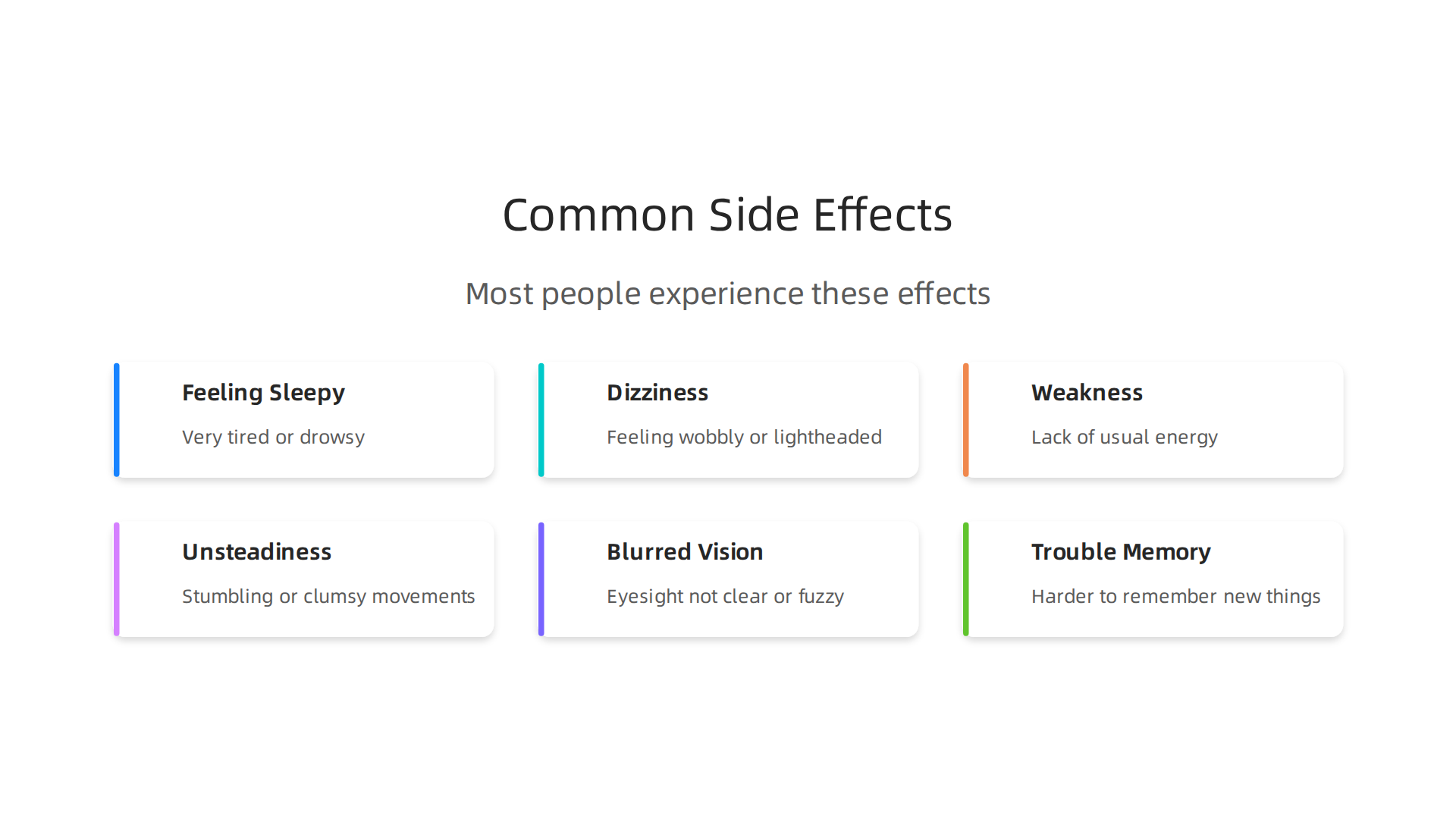
- Feeling Sleepy or Drowsy: This is one of the most common effects because lorazepam works to slow down brain activity. You might feel very tired or sleepy, even during the day.
- Dizziness or Lightheadedness: Some people feel dizzy or a little wobbly, like the room is spinning. This can make it hard to keep your balance.
- Weakness or Lack of Energy: You might feel a general weakness in your muscles or just a lack of usual energy.
- Unsteadiness or Clumsiness: Because of the dizziness and muscle relaxation, you might find yourself stumbling a bit or feeling less steady on your feet.
- Blurred Vision: Your eyesight might not be as clear as usual, making things look a little fuzzy.
- Trouble with Memory: It can be harder to remember new things or recall recent events. This is sometimes called "cognitive slowing" and means your brain might just work a bit slower.
These common effects happen because the medicine helps calm your brain, but it can sometimes calm it a bit too much in other areas Lorazepam (oral route) – Side effects & dosage – Mayo Clinic. It’s important to be careful, especially when you first start taking lorazepam or when your dose changes.
Tips for Managing Common Side Effects:
- Avoid Driving or Operating Machines: Because of drowsiness, dizziness, and blurred vision, it’s very important not to drive or use heavy machinery. You need to know how lorazepam affects you first.
- Move Slowly: When standing up from sitting or lying down, do it slowly to avoid feeling dizzy.
- Avoid Alcohol: Alcohol can make these side effects much worse, especially drowsiness and dizziness.
- Stay Hydrated: Drink plenty of water throughout the day.
- Talk to Your Doctor: If any lorazepam side effect bothers you a lot or doesn’t go away, tell your doctor. They might suggest changing your dose or trying a different approach, perhaps even looking into coping skills for anxiety that can help manage symptoms alongside or instead of medication.
Sometimes, a doctor might suggest trying other medications or approaches to anxiety. For instance, some people ask about options like sertraline for anxiety or finding an anxiety natural medication if these common side effects are too much. Always discuss any concerns with your healthcare provider.
While it’s important to know about the common feelings or changes that can come with lorazepam, it’s even more important to know about the serious effects. These are rare, but they need quick medical help. Understanding these signs is a key part of using your medicine safely.
Here are some serious lorazepam side effects and when to get urgent help:
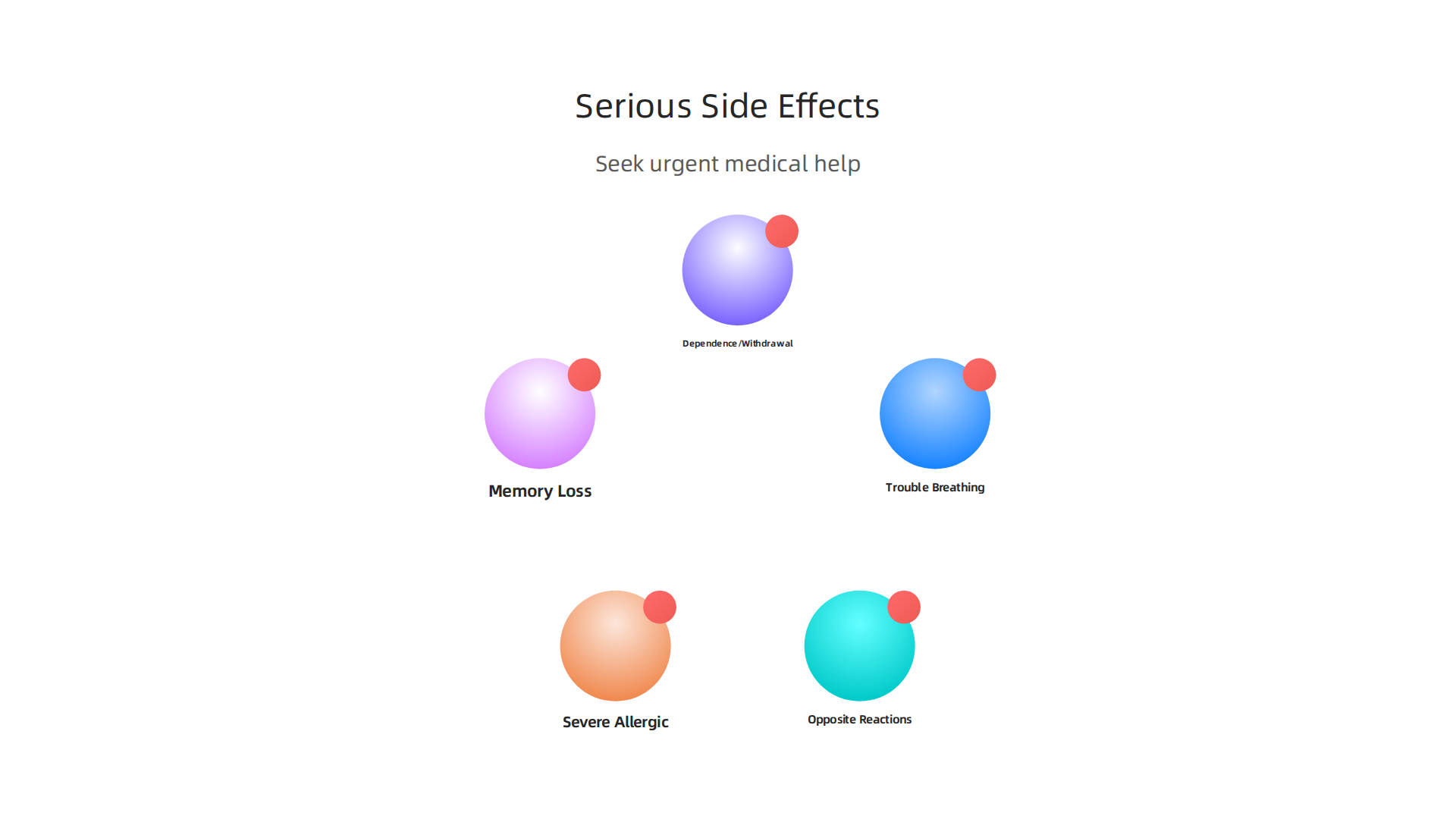
- Trouble Breathing (Respiratory Depression): Lorazepam slows down your brain, and sometimes it can slow down your breathing too much. This is very serious, especially if you also take other medicines that make you sleepy, like strong pain pills (opioids). If you or someone else has very slow or shallow breathing, this is an emergency Lorazepam – StatPearls – NCBI Bookshelf.
- Opposite Reactions (Paradoxical Effects): Sometimes, instead of feeling calm, a person might become very excited, angry, or confused. This is called a "paradoxical reaction" because it’s the opposite of what’s expected. People might feel more anxious, agitated, or even aggressive. In some cases, there can be very dark thoughts, including thoughts of hurting oneself or others Adverse event profile of lorazepam: a real-world pharmacovigilance ….
- Severe Allergic Reaction: Like any medicine, lorazepam can cause a bad allergic reaction. Signs include a rash all over your body, hives (itchy bumps), swelling of your face, lips, tongue, or throat, and trouble breathing or swallowing. This needs emergency care right away.
- Memory Loss or Confusion: While mild memory issues are common, serious confusion, seeing or hearing things that aren’t there (hallucinations), or believing things that aren’t true (delusions) can happen, especially with higher doses or misuse of the medicine.
- Dependence and Withdrawal: Taking lorazepam for a long time can lead to your body getting used to it. If you stop suddenly, you could have serious withdrawal symptoms like seizures, shaking, severe anxiety, or confusion Label: LORAZEPAM tablet – DailyMed – NIH. Never stop taking lorazepam without talking to your doctor first.
When to Call for Urgent Help:
If you notice any of these red-flag lorazepam side effects, call for emergency medical help right away (like 911 in the US). Don’t wait to see if they get better.
- Serious trouble breathing or very slow breathing
- Extreme drowsiness where you can’t be woken up
- Feeling like you might pass out
- Swelling of the face, lips, tongue, or throat
- Hives or a spreading rash
- Sudden, severe confusion or disorientation
- Seeing or hearing things that aren’t real
- Thoughts of hurting yourself or others
- Seizures
Remember, your doctor can also talk to you about other treatment options if lorazepam isn’t the right fit, such as different types of therapy or even medication for specific conditions like OCD Medication Guide: How to Start Treatment and Find Relief. It’s crucial to always tell your doctor about any concerning lorazepam side effect you experience.
Knowing about the possible issues with lorazepam is just part of the picture. It’s also very important to understand how it can mix with other drugs, alcohol, or specific health problems. These mixtures can make the lorazepam side effect much more serious.
Interactions and contraindications: drugs, alcohol, and medical conditions to watch for
Lorazepam works by slowing down your brain’s activity. When you mix it with other things that also slow down your brain, the effects can become dangerous.
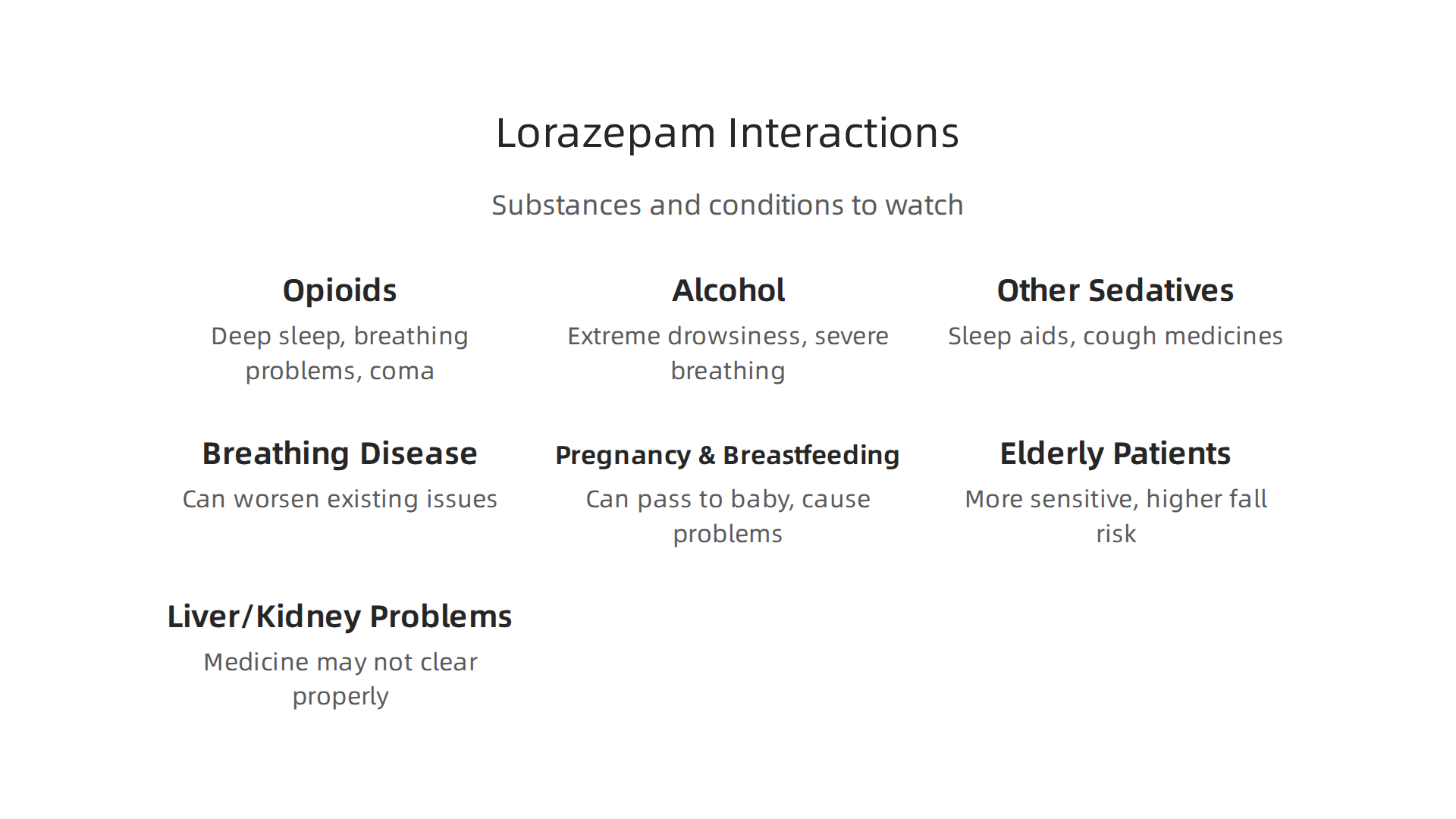
- Opioids: These are strong pain medicines. Taking lorazepam with opioids can cause very deep sleep, serious trouble breathing, coma, or even death
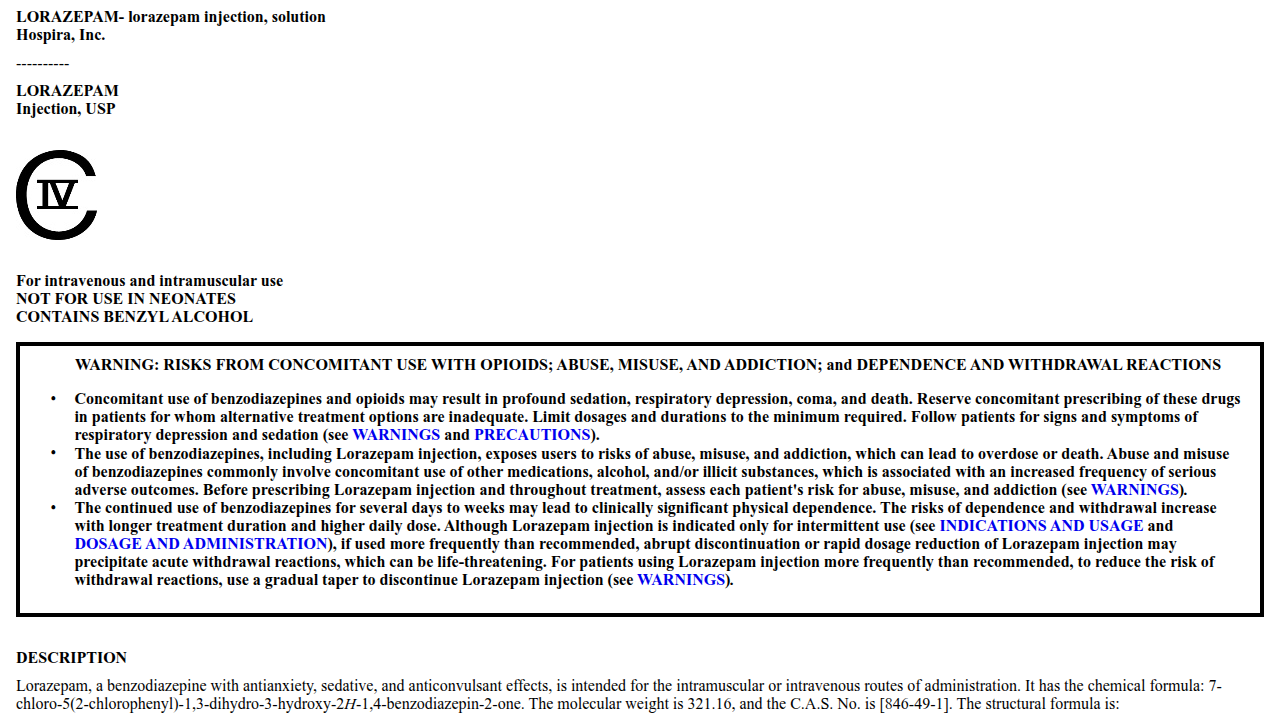
RISKS FROM CONCOMITANT USE WITH OPIOIDS; ABUSE …. Your doctor needs to know if you are taking any opioids before prescribing lorazepam.
- Alcohol: Drinking alcohol while taking lorazepam is very risky. Alcohol is also a central nervous system depressant, just like lorazepam. Combining them can lead to extreme drowsiness and severe breathing problems Taking benzodiazepines with opioid medicines, alcohol, or other central nervous system depressants can cause severe drowsiness, breathing problems. It’s best to avoid alcohol completely when on this medicine.
- Other Sedatives: This includes many over-the-counter sleep aids, cough and cold medicines that make you sleepy, and some other prescription medications. Always tell your doctor and pharmacist about all medicines you are taking, even herbal remedies or supplements.
Certain health conditions or groups of people also need to be very careful with lorazepam:
- Severe Respiratory (Breathing) Disease: If you already have serious breathing issues, lorazepam can make them worse because it slows down your breathing.
- Pregnancy and Breastfeeding: Lorazepam can pass to the baby, which may cause problems. Always discuss this with your doctor if you are pregnant, planning to become pregnant, or breastfeeding.
- Elderly Patients: Older adults are more sensitive to the effects of lorazepam. They might feel more sleepy or dizzy, increasing their risk of falls or confusion.
- Liver or Kidney Problems: If your liver or kidneys aren’t working well, your body might not get rid of lorazepam properly. This can lead to too much medicine staying in your system, causing more pronounced lorazepam side effect.
It’s super important to have an honest talk with your doctor about your full health history and all medicines you take. This helps them decide if lorazepam is safe for you, or if another approach, like different types of panic attack medication types, side effects, and how to start treatment, would be a better choice. Your doctor will weigh the benefits and risks carefully Contraindications and precautions in special groups.
Understanding what to watch out for with lorazepam also means knowing how much to take and for how long. Doctors usually want you to use this medicine for only a short time to keep you safe and prevent problems.
Dosage, short-term use, dependence risk and withdrawal
When a doctor gives you lorazepam, they often start with a small amount. They might slowly increase it until it works for you. The goal is to find the lowest dose that helps with your anxiety. Lorazepam is mainly used for the quick relief of very strong anxiety or panic attacks Lorazepam: Uses, Interactions, Mechanism of Action | DrugBank. It’s not usually a long-term medicine. In fact, it is specifically indicated for the short-term relief of severe anxiety product monograph including patient medication information.
Doctors prefer to use lorazepam for a short time because using it for too long can lead to something called physical dependence. This means your body gets used to having the medicine. If you suddenly stop taking it after a while, your body can react with unpleasant withdrawal symptoms.

Withdrawal symptoms can be uncomfortable and sometimes serious. They might include:
- Feeling very anxious or irritable
- Trouble sleeping
- Sweating
- Shaking
- Muscle pain
- In severe cases, seizures
To avoid these problems, you should never stop taking lorazepam suddenly, especially if you’ve been on it for a while. Instead, your doctor will help you slowly lower your dose over time. This process is called "tapering." Tapering helps your body get used to having less of the medicine step by step, which makes withdrawal much easier to manage Lorazepam (lorazepam) – Dosing, PA Forms & Info (2026).
There’s no one way to taper that works for everyone, but a common approach is to reduce the dose by a small amount, like 5% to 10%, every few weeks Benzodiazepine Tapering Strategies and Solutions. This slow reduction is key to avoiding a severe lorazepam side effect. Always talk to your doctor about how to safely stop any medicine. If you’re looking for more general information on how different medications might affect you, you can explore common lorazepam side effects.
Using lorazepam is a bit different for some groups of people, like older adults, those who are pregnant, and young people. Doctors must think carefully about how these groups might react to the medicine. This is because a lorazepam side effect can show up differently or be more serious for them.
Older Adults
Older people’s bodies process medicines more slowly. This means lorazepam can stay in their system longer. Because of this, they might feel the effects more strongly. They could also have a higher chance of side effects like feeling sleepy, confused, or losing their balance, which can lead to falls. Doctors usually give older adults a smaller dose to start and watch them closely to avoid problems. It’s important for caregivers to know what to watch for. If an older person seems more confused or sleepy after taking lorazepam, it’s a good idea to tell their doctor right away.
Pregnant People
Taking medicines during pregnancy needs a lot of care. For pregnant people, doctors try not to use lorazepam if they can help it. Studies have shown that using benzodiazepines like lorazepam during pregnancy might cause issues for the baby, especially if taken late in pregnancy Lorazepam – StatPearls – NCBI Bookshelf. It can sometimes lead to what is called "floppy baby syndrome" or withdrawal symptoms in the newborn. If a pregnant person needs help with severe anxiety, doctors will look for other, safer ways to help.
Youth
Giving lorazepam to children and teenagers also needs special attention. Young bodies are still growing and developing. This means they might react to medicines in ways that are different from adults. For example, some forms of lorazepam contain an ingredient called benzyl alcohol, which has been linked to very serious issues in young patients ATIVAN Injection (lorazepam injection, USP). Doctors are very careful with how much and for how long young people might take this medicine. They often try other treatments first, like therapy, before suggesting medicine.
Caregivers and educators for young people should always work closely with doctors. Make sure you understand why a medicine is prescribed and what signs to look for. If you notice any changes in a young person’s mood, behavior, or sleep after they start lorazepam, talk to their doctor. Knowing more about anxiety in young people can help you support them better. You might find it helpful to read more about teen anxiety signs. Understanding how to protect youth and help them become healthier can make a big difference. For those interested in how strategies can support young people, consider checking out the Youth Safety Case Study for more information.
While understanding how to protect youth and help them become healthier can make a big difference, it’s also important to look at other ways to manage anxiety that don’t always involve medicine. For many, finding good alternatives to avoid a lorazepam side effect or other medication problems is a key goal for lasting relief.
Alternatives and non-drug options: therapy, lifestyle, and longer-term strategies
Medicines like lorazepam can be very helpful for quick relief from strong anxiety. But for many, looking at treatments that don’t use drugs is important for long-term well-being.

These options can help you learn new ways to handle anxiety without relying on pills.
One of the most helpful options is a type of talk therapy called Cognitive Behavioral Therapy, or CBT. This therapy helps you change unhelpful thinking patterns and behaviors that make anxiety worse. In 2026, many studies show that CBT can really help lower anxiety symptoms. Research even suggests that CBT can reduce anxiety symptoms more than some medicines like fluoxetine and improve how often people get better compared to sertraline for anxiety Comparative Effectiveness and Safety of Cognitive Behavioral …. CBT has also been shown to work better than waiting or not getting any treatment at all Comparative effectiveness and safety of cognitive behavioral …. It often leads to higher success rates in getting over anxiety than other treatments The Efficacy of Cognitive Behavioral Therapy: A Review of Meta ….
Mindfulness-based approaches are another good non-drug choice. These practices teach you to focus on the present moment, which can calm your mind and body. Both CBT and mindfulness are strong ways to manage anxiety without medicines, offering skills you can use for the rest of your life. For those interested in how strategies can help manage worry, you might find it helpful to learn about coping skills for anxiety.
For some people, using a short-term medicine like lorazepam for immediate relief, while also doing therapy like CBT, works best. This way, they get help right away while learning skills for long-term health. This combined approach often leads to benefits that last a long time Comparative Effectiveness of Digital Cognitive Behavioral Therapy ….
Simple changes in daily life can also act as an anxiety natural medication. Things like getting enough sleep, eating healthy food, and moving your body through exercise can make a big difference in how you feel. These lifestyle choices support your mental health and can make other treatments work even better. Many resources highlight how different approaches can help offset anxiety and related mental health issues, as seen in the Authority Magazine highlighting VRS results.
When thinking about ways to help your anxiety, it’s super important to talk openly with your doctor or mental health expert. This is called "shared decision-making." It means you and your clinician work together to pick the best path for you, thinking about what you want and what feels right. This way, you get to be a main part of making choices about your health Shared Decision Making Tools.
Here are some helpful questions you can ask at your next appointment:
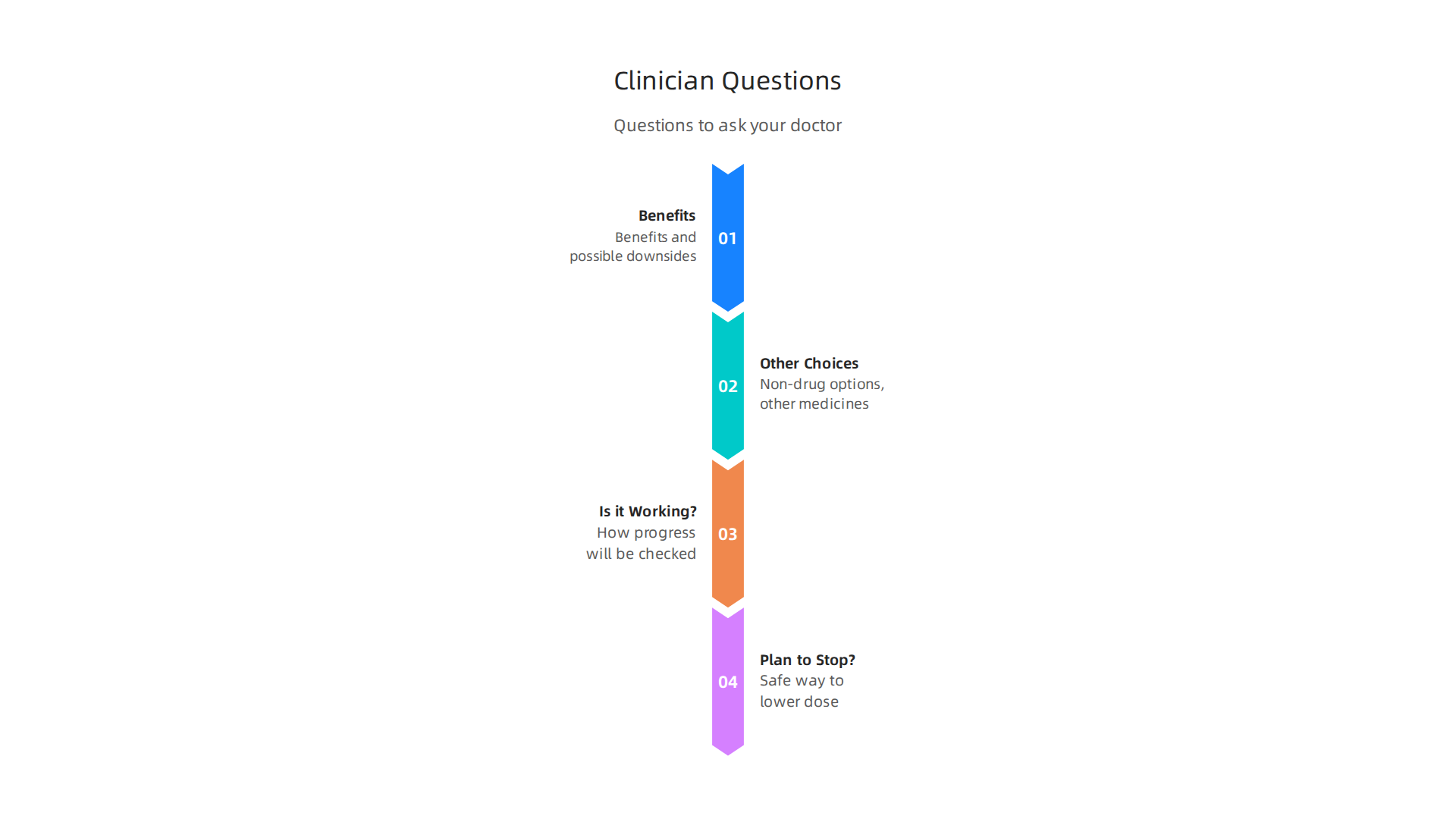
- What are the good parts and bad parts? Ask about the benefits and possible downsides of any treatment, whether it’s medicine or therapy. For example, if discussing medication, ask about any potential
lorazepam side effector other risks. - What are my other choices? Talk about non-drug options like different types of therapy, lifestyle changes, or even other medicines. Don’t be afraid to ask if there are alternatives to a medicine like
sertraline for anxietyor how a specificpropranolol dose for anxietymight compare. - How will we know if it’s working? Ask how your progress will be checked. This helps make sure the plan is actually helping you feel better.
- What’s the plan to stop if I need to? If you start a medicine like lorazepam, ask about a "taper plan." This is a safe way to slowly lower your dose over time if you and your doctor decide it’s best, helping to avoid issues when stopping Benzodiazepine Deprescribing Guidance. You might want to learn more about lorazepam side effects to be fully prepared for this discussion.
It’s also a good idea to keep track of how you’re feeling at home. Write down things like your mood, how well you’re sleeping, any anxiety symptoms you notice, and if you have any changes in your daily life. This information helps your clinician see what’s really working and what might need to change. Plan to have regular check-ins to talk about your notes and adjust your treatment plan as needed. This team effort helps make sure you get the best care.
To deepen your understanding of these feelings, you might find it helpful to Define Anxiety Clearly.
Summary
This article explains lorazepam—how it works, why doctors prescribe it, and the full range of side effects to watch for. It covers common, usually mild effects such as drowsiness, dizziness, and memory slowing, plus rare but serious dangers like respiratory depression, paradoxical reactions, severe allergic responses, and withdrawal seizures. The guide explains who is at greater risk (older adults, pregnant people, youth), which drug or alcohol combinations are most hazardous, and why lorazepam is normally used short-term. You’ll learn practical tips to manage minor effects, clear red flags that need emergency care, and safe tapering strategies to avoid withdrawal. The article also outlines safer long-term options—CBT, mindfulness, lifestyle changes—and offers questions to bring to your clinician so you can make a shared, informed treatment decision.