

Why clear, dependable guidance on ‘mental breakdown’ matters right now
Have you ever heard someone say they’re having a "mental breakdown"? Maybe you’ve felt like you were close to one yourself.

It’s a phrase many people use, but it’s not a real medical term. This can make things very confusing when you’re trying to find real help. When people look for answers online, they often find too much information that is hard to understand or not always reliable. This makes a stressful situation even worse.
This confusion has high emotional stakes. When someone’s thoughts, feelings, or actions become too much to handle, it can feel like a crisis. In fact, nearly 1 in 10 U.S. adults experiences a mental health crisis each year, needing prompt help. Good mental health is all about how we think, feel, and act, and how we handle stress and big feelings, as explained by SAMHSA Mental Health Resources. So, getting clear answers when you’re struggling is super important.
In 2026, finding trustworthy information about mental health is more important than ever. This article will help you understand what people mean by a mental breakdown in simple, clear language. We will look at the signs of anxiety and stress that can lead to feeling overwhelmed. We’ll also give you easy steps to take right away and point you to trusted resources for ongoing support. Our goal is to make sure you know what to do and how to help someone with anxiety or intense stress. We want to give you a clear path forward when things feel tough. For a comprehensive overview of managing anxiety, you can explore Your Step by Step Plan for Management Anxiety Disorder.
To get a better grip on terms like stress vs anxiety and other related concepts, it helps to start with the basics. Define Anxiety Clearly to gain a fundamental understanding of these important areas of mental well-being.
What people mean by ‘mental breakdown’: plain-language definitions
We just talked about how the phrase "mental breakdown" can be confusing because it’s not a real medical term. But people still use it a lot to describe a time when they feel totally overwhelmed and unable to cope. So, what do they really mean?
When someone feels like they’re having a "mental breakdown," they’re often describing a really tough period. It’s when everyday worries, stress, and feelings get too big to handle on their own. Instead of saying "mental breakdown," doctors and mental health helpers might use words like:
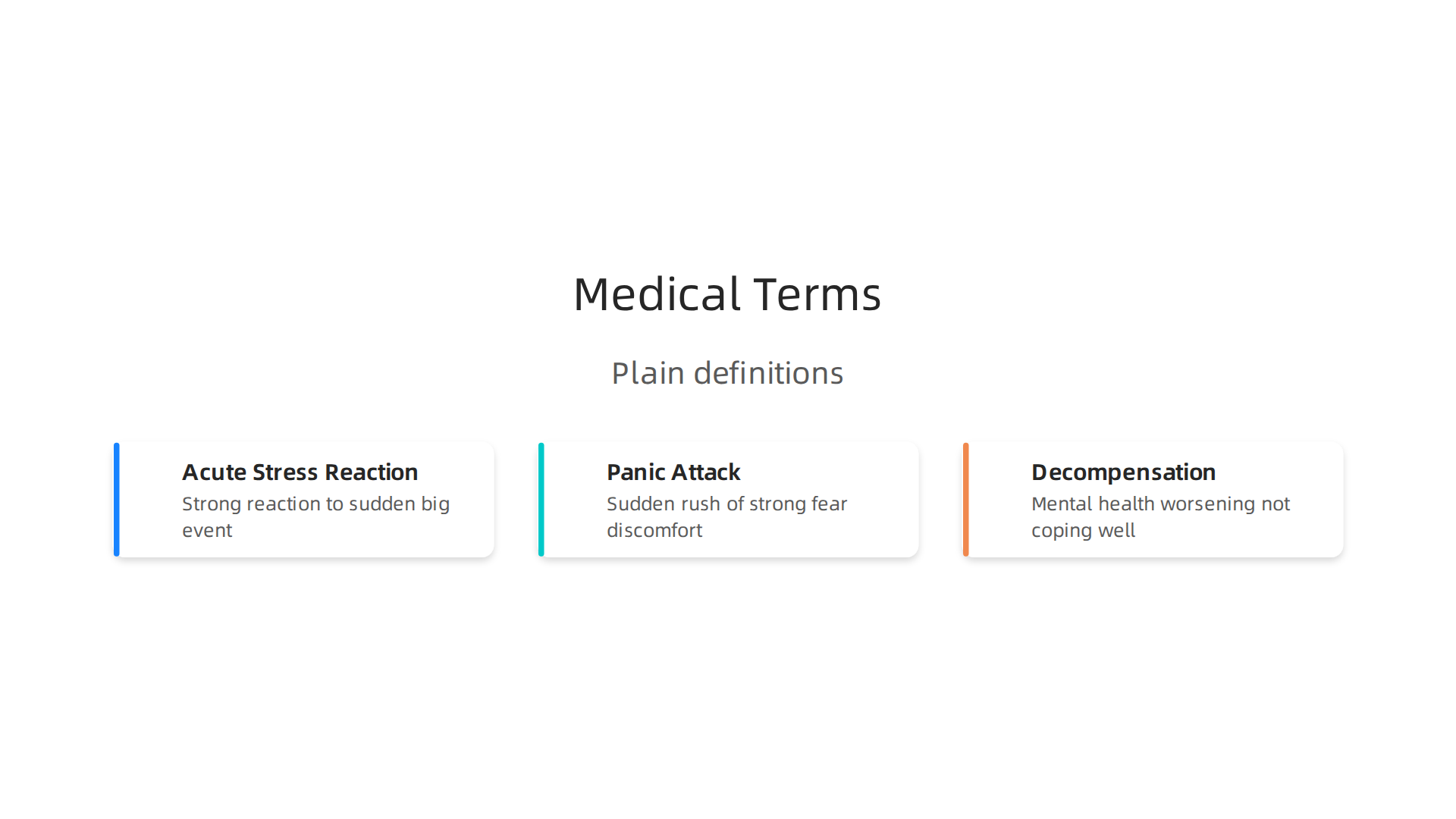
- Acute Stress Reaction: This is when you have a very strong reaction to a sudden, big event, like a bad accident or losing a loved one. Your body and mind go into a temporary state of shock and distress.
- Panic Attack: This is a sudden rush of strong fear or discomfort. You might feel your heart pound, sweat a lot, feel dizzy, or think you can’t breathe. It can feel very scary and happen without much warning. If you want to learn more, you can learn how to recognize anxiety attack symptoms.
- Decompensation: This simply means that someone’s mental health is getting worse, and they’re not coping well anymore. It’s often used when a person with a known mental health condition starts to struggle more with their usual ways of managing.
These are times when a person’s thoughts, feelings, or actions feel completely out of control. It’s like their brain is trying to shut down because it’s had too much to deal with. A crisis happens when someone feels overwhelmed with anxiety and pain, and might start to cope in unhealthy ways, as explained in a document about What is a Crisis.
Common Triggers for Feeling Overwhelmed
Many things can lead someone to feel like they’re having a "mental breakdown." Think of it like a glass that slowly fills up with water. Each stressful event adds a little more water until it overflows. Some common triggers include:
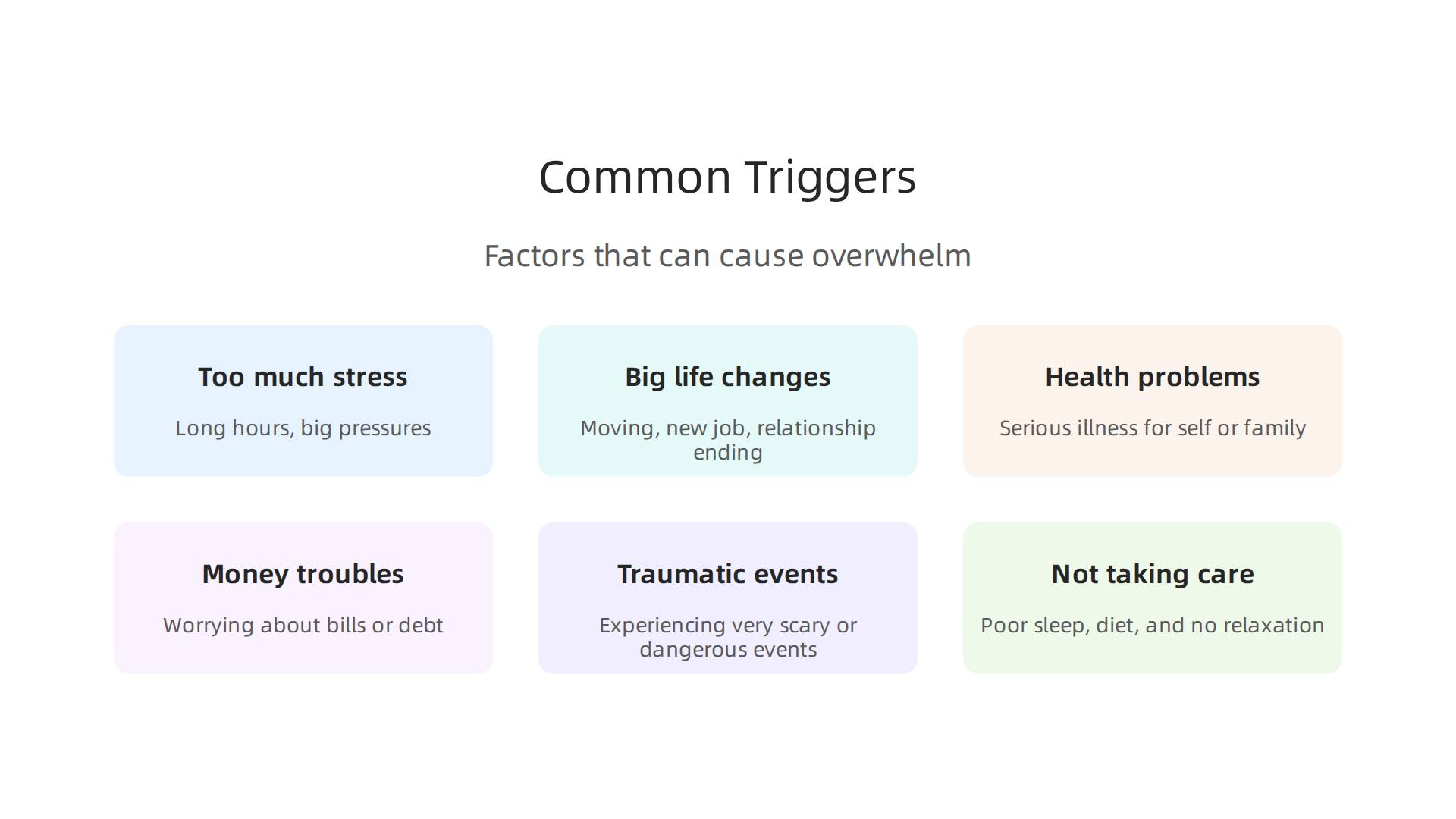
- Too much stress at work or school: Long hours, big pressures, or feeling like you’re not doing well enough.
- Big life changes: Moving, starting a new job, having a baby, or a relationship ending.
- Health problems: Dealing with a serious illness, either your own or a family member’s.
- Money troubles: Worrying about bills, debt, or losing your job.
- Traumatic events: Experiencing something very scary or dangerous.
- Not taking care of yourself: Not getting enough sleep, eating poorly, or not having time to relax.
When these things pile up, the signs of anxiety and stress can become really strong. You might feel tired all the time, have trouble sleeping, lose interest in things you used to enjoy, or feel very irritable. You might also notice a big difference in your usual behavior.
Why precise language helps
Using clearer words like "acute stress reaction" or "panic attack" instead of "mental breakdown" is important for a few reasons. First, it helps people understand what’s really happening. Second, it guides them to the right kind of help. If you tell a doctor you’re having a "mental breakdown," they might need to ask many questions to understand what you mean. But if you say you’re having strong panic attacks or feeling overwhelmed by stress, they can point you to specific support much faster. This makes it easier to figure out how to help someone with anxiety or intense stress and get them the care they need.
When someone is going through what feels like a "mental breakdown," there are often clear signs that show they are struggling. These signs are like red flags telling us that a person needs help. Knowing what to look for, both in yourself and in others, is the first step in figuring out how to help someone with anxiety or overwhelming stress.

These signs can show up in different ways:
What You Might See (Behavioral Signs)
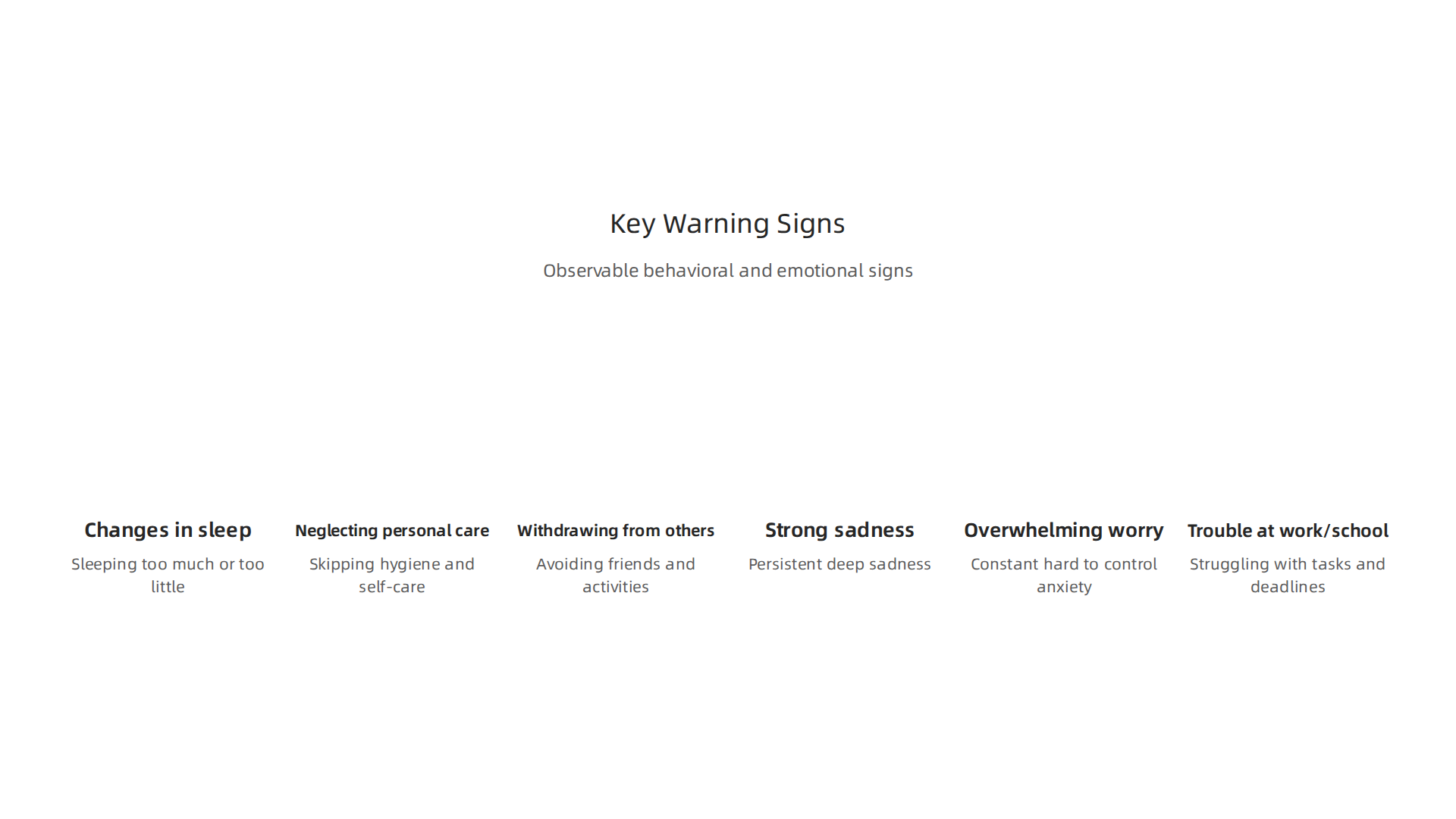
- Changes in sleep: A person might sleep much more than usual, or hardly at all. They could have trouble falling asleep or staying asleep.
- Changes in eating: They might eat a lot more or a lot less, leading to weight changes.
- Neglecting personal care: They might stop showering, changing clothes, or taking care of their appearance.
- Withdrawing from others: They might stop hanging out with friends, avoid family, or not want to do things they used to enjoy. This can make them feel very lonely.
- Being easily upset or irritable: Small things might make them angry or frustrated quickly.
- Trouble focusing: They might find it hard to pay attention at work or school, or struggle to make simple decisions.
- Loss of energy: Feeling tired all the time, even after resting, is a common sign of mental health challenges, which includes our emotional, psychological, and social well-being, as explained by the Substance Abuse and Mental Health Services Administration (SAMHSA) in their guide to Mental Health: Causes, Symptoms, Treatment & Help.
What You Might Feel (Emotional Signs)
- Strong sadness or hopelessness: A deep feeling of sadness that doesn’t go away, or a belief that things won’t get better.
- Overwhelming worry or fear: Constant signs of anxiety that are hard to control, sometimes leading to panic attacks.
- Loss of interest: Not caring about hobbies, work, or anything that once brought joy.
- Mood swings: Feeling very happy one moment and very sad or angry the next.
- Feeling numb: Not feeling much of anything at all.
How Life Changes (Functional Signs)
- Trouble at work or school: Not being able to do daily tasks, missing deadlines, or getting bad grades. Youth with poor mental health often struggle with school and grades, according to the CDC’s Adolescent and School Health page.
- Avoiding responsibilities: Not paying bills, skipping appointments, or neglecting duties at home.
- Using unhealthy coping methods: Turning to alcohol, drugs, or other risky behaviors to deal with stress vs anxiety.
Signs Can Look Different for Everyone
These signs can show up differently depending on who you are.
- For young people and students: You might see a sudden drop in grades, problems with friends, changes in how they use social media, or talking about wanting to quit school. Understanding how to support them is vital. You can learn more about teen anxiety signs, causes, and how to help your teen.
- For adults and parents: The signs might involve trouble performing at work, neglecting household duties, changes in how they interact with their children or partner, or not taking time for self-care.
If you notice these changes in yourself or someone you care about, it’s important to reach out for help. Early identification of mental health issues in young people is also key for better outcomes, according to a position statement by Mental Health America. Recognizing these warning signs can make a big difference in getting the right support quickly.
The Youth Safety Case Study, documenting how VRS offsets susceptibility to manipulation in youth sports is a good resource, producing healthier athletes, stronger resistance to depression and propaganda, and ultimately better citizens. For more details, explore the Youth Safety Case Study.
When you notice the signs that someone is having a mental breakdown, the most important thing is to know what to do right away. The first hour, and even the first few minutes, are very important. Your main goals are to keep everyone safe, help the person calm down, and make sure they can get professional help.
Keep Everyone Safe
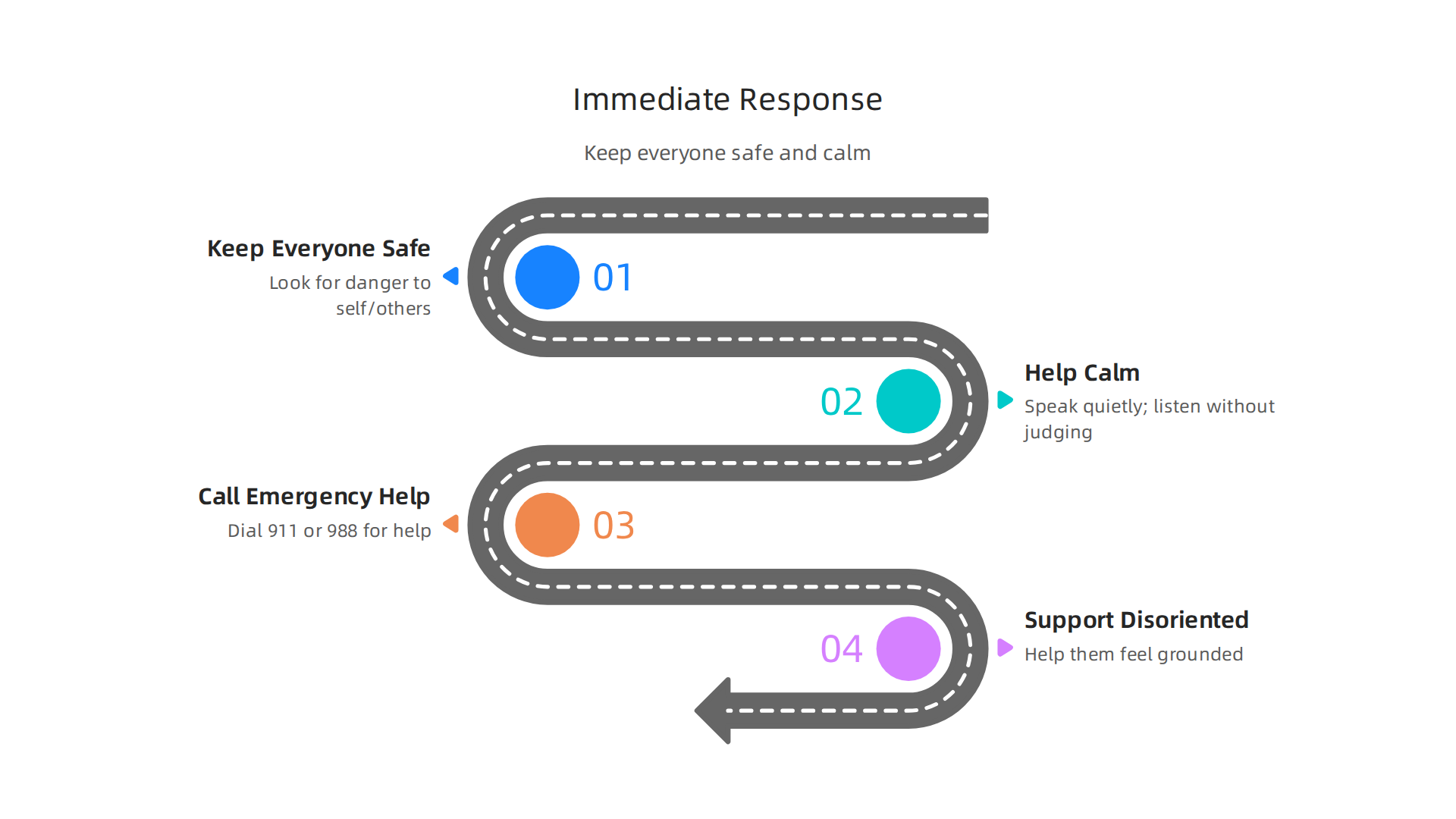
The very first step is to make sure everyone is safe. This means looking for any immediate danger, like if the person is trying to hurt themselves or others. Health experts often say that screening for suicide risk should be done at every visit with a young person and is a key part of crisis care plans, as noted in the National Guidelines for Behavioral Health Crisis Care and other best practices for safety screening. If there’s any talk of self-harm or hurting others, take it seriously.
Help Them Calm Down (De-escalation)
If there’s no immediate physical danger, try to calm the situation. This is called de-escalation. It means you need to stay calm too. Speak in a quiet, steady voice. Listen to what they are saying without judging them. You might say things like, "I see you’re really upset right now, and I’m here to help." Offer simple things like a glass of water or a quiet place to sit away from noise and too many people. Do not argue or yell back, even if they are yelling. The goal is to make them feel heard and safe, not to solve all their problems at once.
When to Call for Emergency Help
Sometimes, a mental breakdown can get very serious. If the person is talking about hurting themselves, or if they seem very disconnected from reality, or if their signs of anxiety are turning into a full-blown panic attack they can’t get out of, it’s time to get professional help right away. Call emergency services like 911 in the U.S., or the 988 Suicide & Crisis Lifeline. These services are equipped to handle mental health crises, and there are national guidelines for how to manage these situations, including for youth, according to National Guidelines for Child and Youth Behavioral Health Crisis Care. It is important to remember that asking for help from these services is a brave and necessary step.
How to Support Someone Who Is Disoriented or Panicked
If someone is disoriented or really panicked, you can help them feel more grounded. Try asking them simple questions like, "Can you tell me five things you see around you?" or "What do you hear right now?" This can help bring their focus back to the present moment. Remind them that they are safe and that you are there with them. Staying by their side can make a big difference. Many organizations offer guides on Navigating a Mental Health Crisis and preparing Mental Health Crisis Plans for schools and families, which can be helpful resources. Once the immediate crisis passes, encourage them to talk to a doctor, therapist, or counselor. Getting quick access to help is important for healing. If someone is experiencing very strong feelings, especially thoughts of self-harm, it’s crucial to find proven treatment for suicidal thoughts and crisis support.
When a mental breakdown becomes very serious, there’s a chance the person might think about hurting themselves. It’s tough to talk about, but knowing what to do is important. You need to quickly figure out if there’s a real danger of suicide. This means asking direct questions. Many health groups agree that checking for suicide risk is a key part of helping people in a crisis, as noted in guidelines for crisis care.
Asking Direct Questions About Suicide Risk
It might feel scary to ask someone if they are thinking about ending their life. But studies show that asking these questions does not make someone more likely to act on suicidal thoughts.

Instead, it can open the door for them to get help. It lets them know you care and are willing to talk about hard things.
Here are some simple, direct questions you can ask:
- "Are you thinking about hurting yourself or ending your life?" Start here. It’s important to be clear.
- "Do you have a plan?" If they say yes to the first question, ask if they have thought about how they would do it.
- "Do you have what you would need to carry out that plan?" This checks if they have access to any means, like certain objects or medications.
- "When do you plan to do this?" Understanding if they have a specific time in mind, like "tonight" or "this week," tells you about how urgent the situation is.
Professionals use similar questions to assess risk, often following specific guides like those for standardized suicide risk screening protocols. Knowing these answers helps you and any emergency services you call understand how much danger the person is in. If you want to learn more about recognizing intense feelings, you can read about anxiety attack symptoms.
Getting Emergency Help and Staying Safe
If someone says they have a plan, have the means, or intend to hurt themselves soon, you need to get emergency help right away. Call 911 in the U.S. or your local emergency number. You can also call the 988 Suicide & Crisis Lifeline. These services are ready to handle mental health emergencies.
While you wait for help to arrive, your main job is to keep everyone safe.
- Do not leave the person alone. Stay with them.
- Remove dangerous items. Look around and gently take away anything they could use to harm themselves or others, such as weapons, sharp objects, or medications.
- Keep talking in a calm voice. Continue to reassure them that help is coming and that you are there for them.
- Create a safe space. Try to make the area as quiet and calm as possible.
Remember, this situation is very serious. Your actions can make a huge difference in keeping the person safe until professional help can take over. Best practices for handling such moments, especially in emergency settings, are crucial for proper care, as seen in information about implementing evidence-based practices for suicidality. If you’re dealing with a mental breakdown, getting professional help is always the best path forward.
After the most urgent danger has passed and professionals have stepped in, the next step is to help the person start on the path to feeling better.

This is called short-term recovery. It means taking actions to keep them safe and help them slowly get back to their normal life after a serious mental breakdown.
What Happens Right After a Crisis?
Getting help right away is important, but what happens next is just as crucial. Health experts agree that people need good care after a mental health crisis. This helps them stay safe and reduces the chance of another tough time. One key step is follow-up care within a week or a month after a crisis, as noted by studies on psychiatric care Established outpatient care and follow-up after acute psychiatric.
Here are some important steps:
- Safety Planning: This is like a special map for staying well. It’s a plan made with the person and their helper. It lists warning signs that things might be getting bad again, coping skills they can use, and people they can call for support. This plan helps them know what to do if they start to feel overwhelmed or notice signs of anxiety. Guidelines for crisis care often include safety planning as a core part of discharge and follow-up Crisis Residence Program Guidance 2026.
- Connecting to a Clinician: It’s super important to link the person with a doctor or therapist quickly. This professional can offer ongoing therapy, talk about medicine options, and help manage any lasting feelings or behaviors. Getting quick support after a mental health crisis is a strong recommendation in best practice guidelines for care transitions Best Practices in Care Transitions for Individuals with Suicide Risk:.
- Restoring Daily Life: After a mental breakdown, even simple things can feel hard. Helping the person get back to their daily routines, like eating regular meals, sleeping well, and doing small chores, can make a big difference. This helps bring a sense of normal back.
Helping at Home and Work
Family and friends play a huge role in recovery. So does a kind and understanding workplace. Here’s how to help:
- Be Patient and Understanding: Recovery takes time. There will be good days and bad days. Showing lots of patience and understanding is key. Help them understand their feelings and learn coping skills for anxiety.
- Keep Communication Open: Talk openly and honestly, but also gently. Make sure they feel heard and know they are not alone. This helps reduce any shame or stigma they might feel.
- Support Healthy Habits: Encourage good sleep, healthy eating, and a bit of gentle movement each day. These small habits can really help with managing stress. When we shape and reward healthy behaviors, it can help with anxiety and other mental health issues, a concept highlighted by Authority Magazine.
- Help with School or Work: If the person is ready, help them slowly return to school or work. This might mean starting with fewer hours or lighter tasks. Schools often have plans for students coming back after a mental health break School Re-Entry Guidelines. For adults, open talks with employers about support options are helpful.
- Watch for Warning Signs: Keep an eye out for any changes that might signal a problem, like increased stress or signs of anxiety. Knowing how to help someone with anxiety can prevent another crisis. If you want to learn more about how to manage an anxiety disorder, you can find a Your Step By Step Plan for Management Anxiety Disorder.
Remember, the goal is to build a strong support system around the person and help them learn how to manage their mental health for the long term.
After helping someone through the first tough steps after a mental breakdown, it’s time to think about ongoing care. This means finding the right kind of professional help to keep them feeling better for a long time. It’s not just about getting over a crisis, but learning how to live well with mental health challenges.
Different Kinds of Professional Help
There are many types of doctors and helpers who can offer support. Finding the right one depends on what the person needs.
- Your Family Doctor: Sometimes, the first step is talking to your regular doctor. They can check your overall health and might suggest basic steps or even some medicine. They can also help you find a mental health specialist.
- Talk Therapy (Psychotherapy): This is when you talk with a trained therapist about your feelings and problems. They teach you new ways to think and act. For example, if someone has had a mental breakdown due to severe anxiety, a therapist can teach them coping skills for anxiety. There are different kinds of therapy that can help with many issues, including trauma and mood disorders.
- Medicine Management: A special doctor, called a psychiatrist, can prescribe medicine if needed. This medicine can help balance chemicals in the brain and make it easier to manage feelings like sadness or worry. It’s often used along with talk therapy. If you want to learn more about treatment options for mood disorders like bipolar, you can read about bipolar treatment options medications therapy and lifestyle strategies for 2026.
- Crisis Stabilization Units: For times when someone needs more help than a regular doctor or therapist can give, there are special places called crisis stabilization units. These places offer short-term, intensive care in a safe environment, often for people in immediate distress. These units are part of important plans for crisis care, as highlighted in national guidelines National Guidelines for Behavioral Health Crisis Care Best Practice Toolkit.
- Intensive Outpatient Services: This is like a middle ground. People go to a treatment center for several hours a day, a few days a week, but they still live at home. This helps them get a lot of support without staying in a hospital. This kind of care focuses on teaching skills and helping people get back to their lives.
Matching Problems to Help
It can be hard to know what kind of help is best. Here are some common problems and the care that often helps:
- Severe Anxiety or Panic: If someone is having very strong signs of anxiety, like panic attacks, talk therapy is usually very helpful. Sometimes, medicine can also be part of the plan to ease the stress vs anxiety feelings.
- Depression and Mood Swings: For deep sadness or big changes in mood, a mix of talk therapy and medicine often works best. You can find more information about treatment for depression which evidence based therapy is right for you.
- Trauma: If a past bad event is causing problems, special types of talk therapy can help people heal from the trauma.
- Repeated Mental Breakdown: If someone keeps having a mental breakdown, they might need more intensive care, like a crisis stabilization unit or intensive outpatient services, to find stability and learn stronger coping skills. Connecting people to community services after a crisis is key to their long-term recovery Postcrisis Follow-Up and Linkage to Community Services.
The main idea is to find a team of helpers who can support the person on their unique path to recovery.
While getting help after a crisis is very important, it’s even better if we can stop problems before they grow too big. This means learning how to build strength and lessen the chance of a serious mental breakdown in places like schools, workplaces, and our own homes.
Practical Prevention: Building Resilience and Reducing Crisis Risk in Schools, Workplaces, and Homes
It is possible to take small, easy steps that help people feel stronger and avoid a mental breakdown. Think of it like building a strong fence before anyone falls into a ditch.
In Schools: Helping Our Young People
Schools are key places to help kids learn about mental health. Here’s how:
- Teaching Skills Early: Schools can teach children how to understand and manage their feelings. This includes lessons on being kind, solving problems, and handling stress.
- Safe Places to Talk: Making sure kids know there’s a trusted adult they can talk to, like a teacher or counselor, is super important. These adults can look for early signs of anxiety or sadness.
- Plans for Support: Many schools are setting up special plans to help students with their mental health, from offering early support to having clear steps for when a student needs more help. You can learn more about these efforts in the Statewide Plan for Student Mental Health 2024. These plans aim to keep students healthy and strong. To see how these ideas work in real life, check out the Youth Safety Case Study.
In Workplaces: Supporting Adults
Work can be a source of stress, but workplaces can help prevent a mental breakdown too:
- Open Conversations: Managers can create a space where it’s okay to talk about stress without fear. Simple check-ins can make a big difference.
- Spotting Changes: Co-workers and managers can learn to notice changes in behavior that might be signs of anxiety, like someone becoming very quiet or easily upset. This is about understanding the difference between normal stress vs anxiety that needs attention.
- Easy Access to Help: Providing information about where to get support, like employee assistance programs, can be very helpful.
In Homes: Keeping Families Strong
Our homes are our safe havens, and we can make them even stronger:
- Talk About Feelings: Encourage everyone in the family to talk about how they’re feeling, both good and bad. This builds trust and helps everyone feel understood.
- Notice and Listen: Pay attention to how family members are doing. If someone seems more worried, sad, or angry than usual, gently ask them about it. Knowing how to help someone with anxiety or other strong feelings starts with listening.
- Healthy Habits: Encourage good sleep, eating well, and getting enough exercise. These simple things can make a big difference in how we feel mentally.
Basic Recognition and Response
Setting up simple ways to notice problems and respond is key in any setting.
- Recognize the Signs: Look for changes in sleep, eating habits, energy levels, or how someone acts. Are they showing signs of anxiety more often? Do they seem overwhelmed by stress vs anxiety?
- Speak Up Kindly: If you notice something, don’t be afraid to ask, "Are you okay?" or "You seem a little down lately, is everything alright?"
- Offer Support: If someone is struggling, offer to listen without judgment. You can also share ideas for coping skills for anxiety or suggest they talk to a doctor or counselor.
By building these easy, practical habits, we can help ourselves and those around us stay mentally strong and hopefully prevent a mental breakdown before it happens.
Summary
This article explains what people commonly mean by a