

Why rare phobias matter: framing, confusion, and what you’ll learn
Everyone feels scared sometimes. Maybe you’re afraid of spiders, or heights, or even speaking in front of a big group. These feelings are normal. But for some people, fear can become much bigger and harder to control. When a fear is very strong, doesn’t make sense, and causes a lot of trouble in daily life, it might be what doctors call a "specific phobia." This is a deep, lasting fear of a certain thing, place, or situation that usually isn’t truly dangerous, but it feels that way to the person experiencing the phobia. It can cause strong feelings of anxiety and even panic attacks when someone is near what they fear.
One of the more unusual fears you might hear about is the phobia of long words. Yes, that’s a real thing. It might sound funny at first, but for someone who has this fear, seeing or even thinking about long words can cause real distress. This is just one example of how varied specific phobias can be. From common fears like heights or flying to very rare ones, each phobia is a personal challenge.
Why do we talk about these rare fears? It’s important for a few reasons:
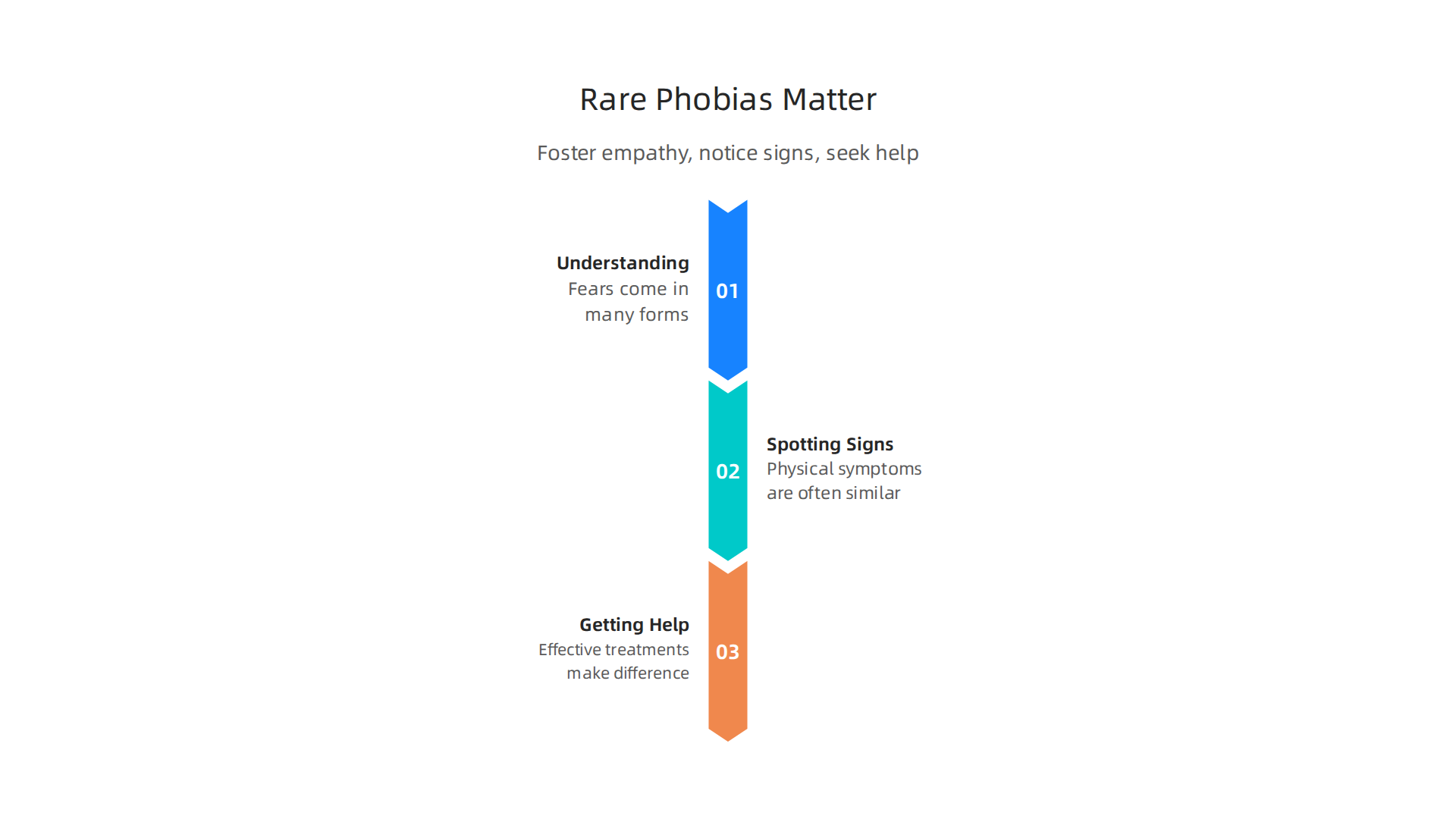

- Understanding and Empathy: Learning about less common phobias helps us understand that fears come in many forms. It reminds us that all fears are real to the person feeling them, helping to remove any shame or embarrassment. Knowing about them helps us be kinder to ourselves and others.
- Spotting the Signs: While the trigger might be different, the physical symptoms of anxiety during a phobic reaction are often similar. Someone with a phobia of long words might feel their heart race, sweat, or have trouble breathing, just like someone with a fear of snakes. Recognizing these common signs can help people get help sooner, whether it’s anxiety in 5 year olds or anxiety symptoms in women.
- Knowing When to Get Help: No matter how unusual a fear seems, if it’s making life hard, it’s worth talking to someone. Help is available. Effective treatments like therapy can make a big difference for people living with specific phobias. This article will help you understand more about the specific phobia of long words and other similar fears.
To truly grasp how anxiety works, it helps to understand what it is at its core. Define Anxiety Clearly to get beyond symptoms and name the system.
1) Fear of long words — the name, the myth, and what it really means
When we talk about the phobia of long words, many people might think of a very long and funny-sounding word: Hippopotomonstrosesquippedaliophobia. This big word is often used, sometimes as a joke, to describe the fear of long words. It’s ironic, right? Using a super long word to talk about being scared of long words. But actually, this isn’t the real clinical name for this specific kind of fear.
What is it really called by doctors?
Doctors and mental health experts don’t use Hippopotomonstrosesquippedaliophobia. Instead, they would say someone has a "specific phobia." This means it’s a fear that is very strong and doesn’t make sense for a certain thing, like long words. The fear causes a lot of trouble in a person’s life, and they often try hard to stay away from what scares them. For a specific phobia to be diagnosed, the fear must be unreasonable and cause major distress or problems in daily life, leading to avoidance of the feared object or situation, and it must last for at least six months according to experts Specific Phobia DSM-5 300.29 (ICD-10-CM Multiple Codes).
So, while the catchy long word makes for a good story, the accurate term is "specific phobia." It’s important to know this because calling it by its proper name helps us understand it better as a real health issue, not just a strange quirk.
What triggers this fear?
For someone who experiences a specific phobia of long words, the triggers can be many. It’s not just about saying the words out loud.
It can be:
- Seeing long words in a book, on a screen, or in an email.
- Reading long words, especially in important documents or schoolwork.
- Hearing long words being spoken by others.
- Even thinking about long words can make someone feel very anxious.
When faced with these triggers, a person might experience strong physical symptoms of anxiety. Their heart might race, they could start sweating, or feel dizzy. It’s a real feeling of panic, just like someone with a fear of heights might feel at the top of a tall building.
Learning about types of phobias helps us see how varied these fears can be. Whether it’s the phobia of long words or other less common fears like a fear of sleep, understanding that they are genuine challenges is the first step toward finding help and support.
2) Fear of sleep (somniphobia): when rest becomes terrifying
Just like the phobia of long words we talked about, a fear of sleep, called somniphobia, is another type of specific phobia. It means someone feels a very strong and lasting fear about going to sleep. This isn’t just about having a bad night or feeling tired. It’s a deep-seated worry that makes the thought of sleeping truly scary.
Imagine being afraid of the very thing your body needs most to heal and rest. For someone with a fear of sleep, night time can be filled with worry.

They might worry about having bad dreams, or what might happen while they are asleep, like not waking up. Some people even worry about losing control when they sleep, or that they won’t be able to fall asleep at all. This kind of anxiety can lead to many sleepless nights and a lot of tiredness during the day.
How fear of sleep messes with daily life
This fear can cause big problems in a person’s daily life. Because they are so scared to sleep, they might try to stay awake as long as possible. This can lead to:
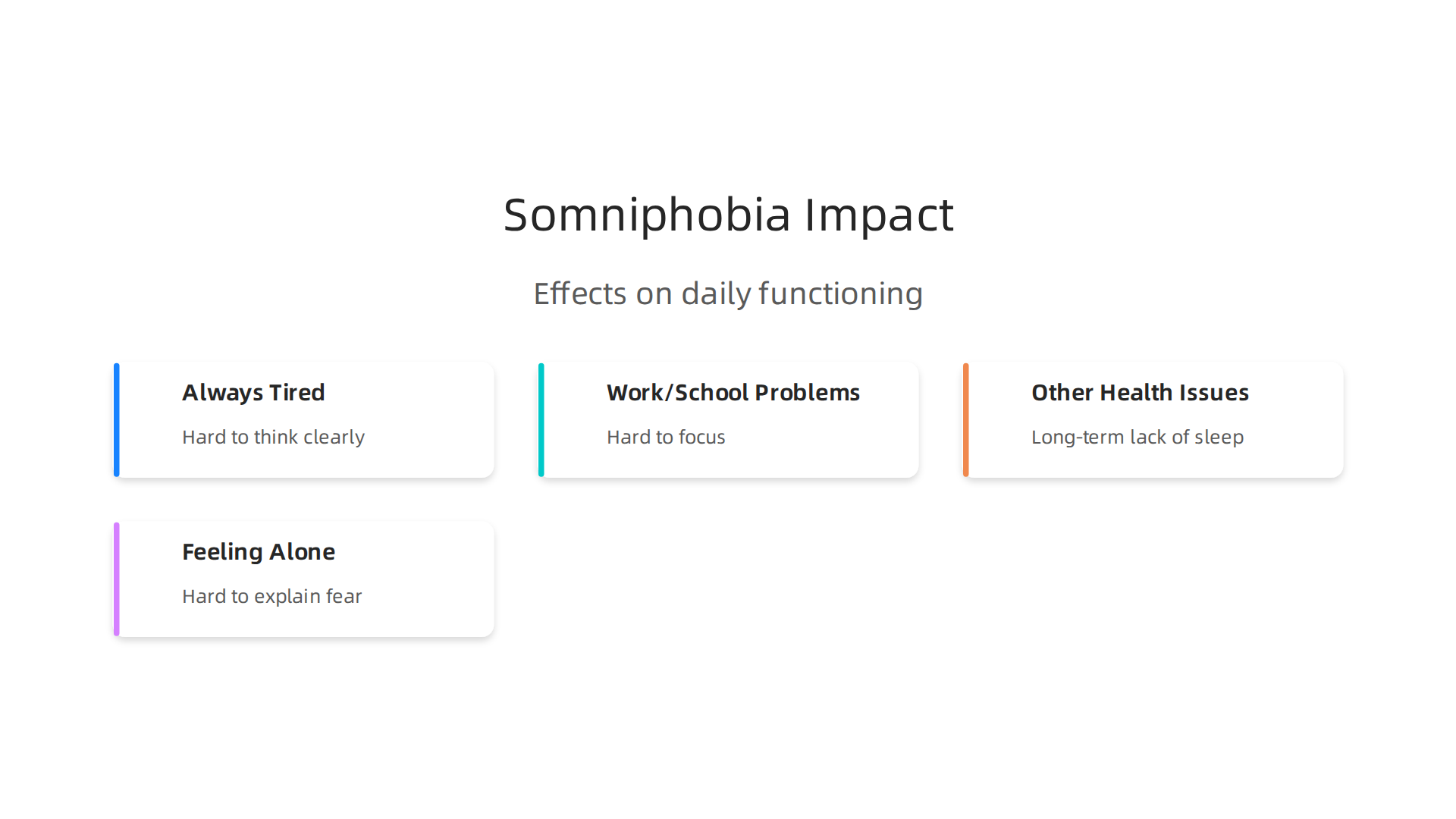
- Always feeling tired: Not getting enough sleep makes it hard to think clearly, learn new things, or even do simple tasks.
- Problems at work or school: Being tired all the time can make it hard to focus, which can hurt performance.
- Other health issues: Long-term lack of sleep can lead to more physical symptoms of anxiety and other health problems over time.
- Feeling alone: It can be hard to explain this fear to others, which can make a person feel lonely.
It’s a serious challenge, and it’s something that affects many people. For example, some studies looking at fears related to sleep, like the fear of dreams (oneirophobia), have found that both men and women can experience these types of phobias, with rates often being similar for both genders according to an oneirophobia and gender- a case study.
If you or someone you know struggles with this, remember that help is available. Learning about and practicing coping skills for anxiety can be a good first step. It’s important to understand these fears and how they work.
When facing these kinds of worries, it helps to understand what anxiety truly is. Learn more and Define Anxiety Clearly to get beyond the symptoms and understand the bigger picture.
Moving on from the fear of sleep, another unusual phobia is the fear of being buried alive. This is called taphophobia. It’s not a common fear today, but it has deep roots in history, especially in times when telling if someone was truly gone was very hard.
Why people used to fear being buried alive
Back in the 18th and 19th centuries, doctors didn’t have all the tools we have now to know for sure if someone had passed away. Sometimes, people would look like they were dead, but they were actually in a very deep sleep or a coma. This led to a real worry about waking up inside a coffin. Imagine how scary that thought must have been!
This fear became so widespread that people even came up with ideas for "safety coffins." These coffins had things like bells, flags, or even breathing tubes, so someone thought to be dead could signal for help if they woke up. Writers like Edgar Allan Poe even used this fear in their stories, showing how deeply it affected people at the time. Research shows that taphophobia was closely linked to problems with knowing if someone was truly gone, and it caused inventors to create ways to prevent premature burial in the 19th century

Taphophobia and ‘life preserving coffins’ in the nineteenth century.
Taphophobia today
Today, with modern medicine, it’s very rare for someone to be buried alive by mistake. So, actual cases of taphophobia are not as common. However, the idea of being trapped or powerless can still cause anxiety. Someone might not fear being buried alive in a coffin, but they could have a strong fear of small, closed spaces, which is called claustrophobia. This can feel a bit like the old fear, just in a new way.
The culture around us also shapes our fears. In places where death and burial practices are very open and part of daily life, fears might be different than in places where these topics are not often discussed. Understanding how these fears show up in different ways helps us see that anxiety can take many forms, from worrying about being buried alive to a less common fear, like the phobia of long words.
If you’re interested in learning about other fears, even those you might not have heard of, there are many kinds of specific phobias. You can explore more about these and other unique worries in our guide to 8 Rare Phobias From Fear of Long Words to Fear of Sleep.
If you think about fears, the idea of being buried alive is certainly dramatic. But sometimes, fears can be about things we do every day, like moving our bodies. Let’s talk about the fear of dancing, which is called chorophobia.
4) Fear of dancing (chorophobia) and movement-related anxieties
Chorophobia is when someone has a strong, lasting fear of dancing. It’s not just about feeling a little shy or awkward on the dance floor. For someone with chorophobia, the idea of dancing can bring on real fear and panic. They might feel very uncomfortable, even just thinking about watching others dance.
This kind of fear can get much bigger because of what people expect in social settings. Imagine being at a party, a wedding, or a school dance. Everyone might be dancing, and if you have this fear, the idea of people watching you, or even asking you to join, can feel like a huge challenge.
The worry about being judged or looking silly can make the fear much worse. This social pressure can turn a small worry into a bigger problem.
It’s helpful to know the difference between just feeling nervous and having a real phobia. Many people get a bit anxious before a big performance or when they have to speak in front of a crowd. This is normal situational anxiety. It comes and goes. But a phobia is a deeper, more lasting fear. It causes strong physical symptoms of anxiety like a racing heart, sweating, or feeling sick to your stomach, even if there’s no real danger. People with a phobia will often go out of their way to avoid the thing they fear, like completely staying away from events where dancing might happen. This is similar to how a person with a phobia of long words might avoid certain books or conversations that use complex terms.
The good news is that people can get help for these kinds of specific phobias. Therapies like Cognitive Behavioural Therapy (CBT) are very helpful. They teach people ways to change their thoughts about the feared situation and slowly get used to it in a safe way. Research shows that CBT is a great way to help people deal with specific phobias like the fear of dancing or other anxieties related to movement or performance Cognitive Behavioural Therapy (CBT) for Specific Phobia.
Understanding all the different kinds of phobias, from the fear of certain movements to the fear of specific words, helps us see how varied human anxieties can be. If you want to learn more about these different worries, you can explore the types of phobias how to recognize the three main categories and get help.
5) Fear of beards (pogonophobia) and appearance-based phobias
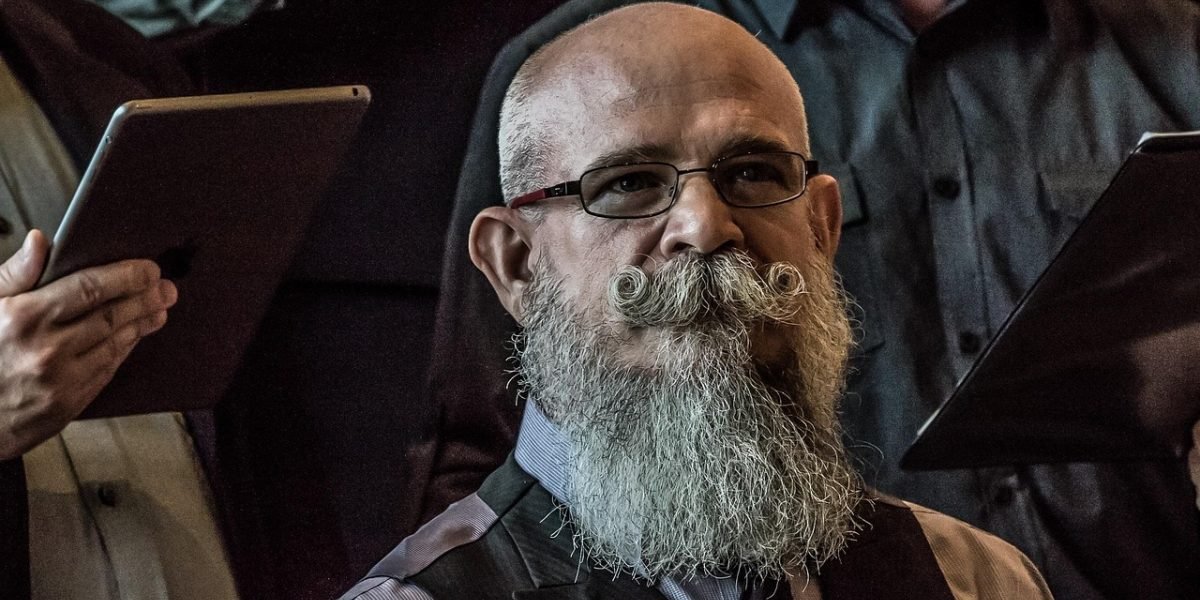
We’ve talked about fears related to movement and words. Now, let’s look at fears tied to how people look, or how we look. One interesting example is pogonophobia, which is a strong fear of beards. Yes, someone with pogonophobia feels real fear or panic when they see beards, or even when they think about them.
This fear isn’t about simply not liking beards. It’s a deep, unsettling feeling that can cause a lot of worry. For someone living with this phobia, everyday life can become tricky. Imagine having to avoid places where bearded people might be, like certain shops, cafes, or even family gatherings. It can make social interactions very hard, affecting work, friendships, and dating. The constant need to watch out for beards, or the struggle of being near one, creates significant stress. This avoidance is a common way people try to deal with any specific phobia, much like someone with a fear of long words is a real phobia and you can conquer it might avoid complex books.
These appearance-based fears can also lead to common physical symptoms of anxiety, like a racing heart, sweating, or feeling dizzy. It’s important to remember that anyone can experience a phobia. While some studies show specific phobias might be more common for Prevalence of Adult Separation Anxiety Disorder, these strong fears can affect men, women, and even children. It’s not uncommon to see anxiety in 5 year olds or anxiety symptoms in women show up in different ways.
Understanding phobias like pogonophobia helps us see that fears can be very specific and connected to how we interact with the world around us. Whether it’s a fear of beards, dancing, or even a specific phobias understanding the fear of long words spiders and heights, recognizing these anxieties is the first step toward finding help.
If you want to understand more about anxiety itself, and how it impacts people, it’s helpful to go beyond the symptoms and really grasp the underlying system. You can Define Anxiety Clearly to get a better handle on these complex emotions.
After looking at fears related to how people look, we’ll now talk about fears connected to touch. This is called aphephobia, or sometimes aphenphosmphobia, which is a strong fear of touch or being touched. It’s not just about disliking physical contact. For someone with aphephobia, the idea or act of touch can cause real panic or extreme discomfort.
This fear can come from different places. Sometimes, it’s linked to past bad experiences, or what we call trauma. When someone has gone through something hurtful, their body and mind can learn to see touch as a danger, even when it’s meant to be harmless. The brain’s alarm system might go off, causing those familiar physical symptoms of anxiety we talked about earlier, like a fast heartbeat or trouble breathing. This is why it’s so important to use kind and understanding words when discussing touch phobias, always thinking about what someone might have been through.
Other times, aphephobia might be tied to sensory sensitivities. This means a person’s nervous system reacts very strongly to touch. What feels normal to most people, like a light tap on the shoulder, might feel overwhelming or even painful to someone with high sensory sensitivity. This isn’t a choice, but how their body processes information.
Just like someone with a phobia of long words avoids complex texts, a person with aphephobia might avoid hugs, handshakes, or crowded places. This can make life very lonely and hard. These kinds of specific fears can affect anyone. While cultural backgrounds can sometimes shape how people show anxiety, as seen in some studies on Cultural Aspects in Social Anxiety and Social Anxiety Disorder, the core fear remains.
Understanding these reasons helps us be more patient and supportive. If you want to learn more about the many different types of fears, you can read about types of phobias and how they show up. It’s helpful to know that these responses are often rooted in our brain’s complex ways of keeping us safe. To dive deeper into how our behavior and brain activity are connected, you might find it useful to read the peer white paper The Science of Gamification, which formalizes the behavioral mechanism.
Building on how past events shape fears, we can see that culture also plays a big part in what makes us feel scared. What seems like a normal animal to one person can be a deep fear for another, based on stories or experiences from their culture.
Take alektorophobia, for example. This is a special word for the fear of chickens. For many people, chickens are just farm animals. But in some cultures, there might be old tales or traditions that make chickens seem scary or unlucky. These stories can deeply root a fear, making someone feel intense worry, much like experiencing Cultural Case Conceptualizations of Social Anxiety or even Social anxiety disorder in 2026 when faced with something frightening. It is not always about personal trauma, but what society teaches us to feel. This can show up as different types of worries, like general anxiety symptoms in women or even anxiety in 5 year olds.
This is a key idea: the same thing can be perfectly fine in one culture, but very scary in another. This difference can even affect how mental health conditions like phobias are understood or talked about. For example, some societies might see certain fears as normal, while others might view them differently. Understanding these cultural roots is very important in 2026. It helps us realize that fear is not just a personal thing. It can be a reflection of our history, our surroundings, and even the stories we grew up with, as detailed in the textbook Culture and Mental Disorders.
Just like a specific phobia of long words might seem strange to some, a phobia of chickens could be very real for others due to cultural reasons. Recognizing these cultural differences helps us be more understanding and supportive of everyone’s unique fears and challenges.
Sometimes, fear gets even trickier. It is not just the fear of spiders or heights. It is the fear of feeling scared in the first place. This is called phobophobia. It means the fear of having a phobia or of the strong feelings of anxiety that come with it.
Imagine you are really worried about feeling anxious. Maybe you had a bad experience before, where your physical symptoms of anxiety felt very strong. Now, you might start to worry about feeling that way again. This worry before something happens is called anticipatory anxiety. It makes you want to avoid anything that might make you scared.
So, if you have a specific phobia, like a fear of long words, phobophobia means you are not just scared of the long words. You are also scared of the anxiety you will feel when you see them. This can make you avoid reading or even talking about big words. This creates a cycle: the more you avoid, the stronger the fear gets, as explained by experts on Specific Phobia: Diagnosis and Treatment.
It is important to understand this cycle. If you only try to avoid the things you are scared of, you might never learn that you can handle the fear. Breaking this cycle is key to feeling better. It is about slowly facing what you fear, with help, to show your mind that the scary feelings can pass. This understanding helps people of all ages, from young kids dealing with anxiety in 5 year olds to adults managing anxiety symptoms in women or teen anxiety. Learning what anxiety is can be the first step to feeling more in control.
Summary
This article explains why uncommon fears — from the phobia of long words to a fear of sleep, being buried, dancing, beards, touch, or even chickens — deserve attention and clinical clarity. It defines these worries as specific phobias when the fear is intense, lasts months, and disrupts daily life, and it clarifies myths like the joke term Hippopotomonstrosesquippedaliophobia versus the clinical label. The piece describes typical triggers and shared physical anxiety symptoms, shows how culture and history shape some fears, and highlights how avoidance can make problems worse. Readers will learn how to spot warning signs, when to get help, and which treatments (notably CBT and graded exposure) and coping skills can reduce distress. The goal is to build understanding, reduce shame, and point people toward practical support so they can manage or seek treatment for these real conditions.