

Why hoarding and mood instability together make treatment more complex — and what this guide will do for you
Dealing with one mental health problem can be really tough. But sometimes, people face more than one at the same time.

This can make things even harder to understand and get help for.
One challenge is hoarding disorder. This is when someone finds it very hard to let go of items, even if they don’t need them.
This can lead to a lot of clutter in their homes, making it hard to live there safely. It’s a real issue, and finding good hoarding disorder treatment is very important.
Then there’s cyclothymia. This is a mood disorder where a person’s moods swing up and down. They have periods of feeling very good and energized, and then periods of feeling down and sad. These mood changes are not as extreme as bipolar disorder, but they can still really affect daily life. Looking into bipolar treatment options can sometimes help with understanding mood changes like those in cyclothymia.
Now, imagine having both hoarding disorder and cyclothymia. This is what we call "comorbidity." It means two or more health problems are happening in the same person. Studies show that many people with hoarding disorder also have other mental health issues. In fact, a lot of people with hoarding disorder also have at least one other mental health condition Acceptance and Commitment Therapy for Hoarding Disorder in an Outpatient Program.
When these two conditions are together, it makes getting help more complex. The mood swings from cyclothymia can make hoarding worse. When someone is feeling very low, they might not have the energy to deal with their clutter. When they are feeling very high, they might buy or collect even more things. This mix can change what kind of [hoarding disorder treatment] works best. Treatment needs to look at both the hoarding and the mood changes at the same time.
This guide is here to help you understand this complex situation. Whether you are someone dealing with hoarding and mood instability, a family member, or an educator, you will find clear, easy-to-understand steps and trustworthy information. We’ll explore why these conditions together need a special approach and what you can do to find lasting relief. Get beyond symptoms and name the system. Define Anxiety Clearly.
Overview: What hoarding disorder and cyclothymia look like together
When hoarding disorder and cyclothymia happen at the same time, it creates a tricky picture. Understanding how these two conditions mix is the first step toward finding the right kind of help.
Hoarding disorder is more than just having a messy house. People with this disorder find it very, very hard to part with items, no matter how much they are worth or if they are needed. This can make their homes so full of stuff that it becomes unsafe or unusable. They might save things because they believe the items will be useful later, or because they feel a strong emotional bond to them. This can lead to a lot of distress and problems in daily life. Finding effective hoarding disorder treatment often involves learning new ways to think about and deal with possessions.
Now, add cyclothymia to this mix. Cyclothymia causes mood swings that go up and down. People might feel very energetic and happy for a while, and then feel sad or low for another time. These changes are not as extreme as bipolar disorder, but they can still really mess with a person’s day-to-day actions.
Imagine how these mood swings affect someone’s ability to manage their clutter.
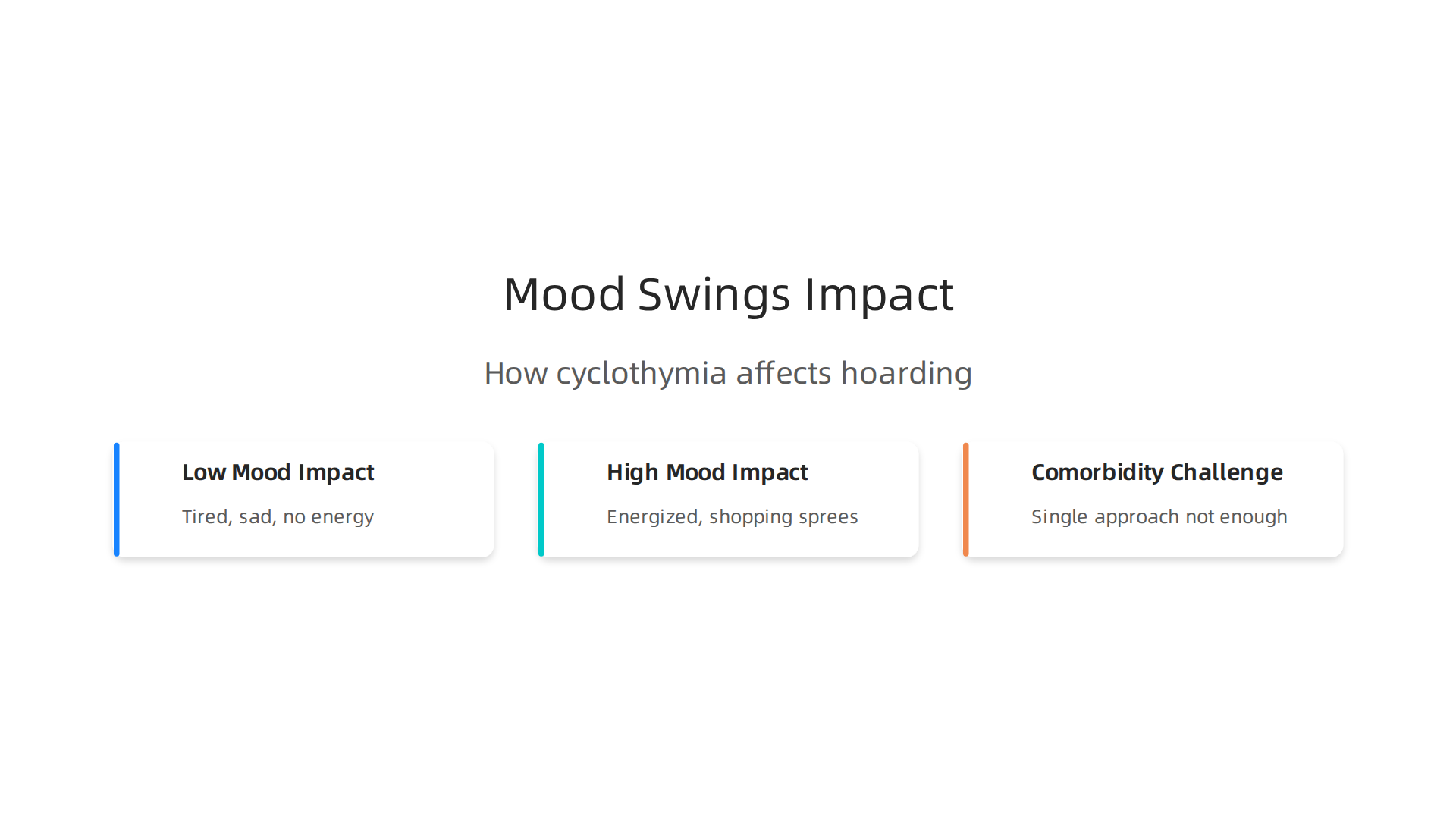
- When moods are low: A person might feel tired, sad, and have no energy. This makes it almost impossible to start or continue cleaning up. The idea of sorting through items feels too big and overwhelming. This can make the hoarding situation worse because nothing gets dealt with.
- When moods are high: A person might feel very energized and focused. They might even start new projects or go on shopping sp sprees, bringing even more items into the home. While they might feel like they can tackle the clutter, this high energy can also lead to impulsive decisions, like acquiring more things they don’t need, or getting easily distracted from the task of decluttering.
These mood changes directly affect motivation, energy, and the ability to make clear decisions about what to keep or throw away. One study found that many people with mood disorders also have problems with compulsive behaviors Clinical practice guidelines for obsessive-compulsive disorder. This is why having both conditions together, known as comorbidity, makes the situation much more complicated. It’s not just two separate problems, but two problems that feed into each other.
Why does comorbidity matter for getting better? When someone has both hoarding disorder and cyclothymia, a single approach focusing on just one problem often isn’t enough. For example, if you only treat the hoarding, the mood swings might still mess up progress. Or if you only address the moods, the clutter might remain a source of stress. Studies show that many people with obsessive-compulsive disorder (which hoarding problems often fall under) also deal with mood disorders Full Report – America’s OCD Care Crisis.
This means treatment needs to be carefully put together, a "tailored care plan," that looks at both parts. Without a plan that understands how these conditions work together, it can be harder to see good results. The goal is to find a path that helps manage both the mood changes from cyclothymia and the challenges of hoarding disorder treatment so that lasting relief can be found. Getting the right help can truly change things. For instance, understanding narcissistic personality disorder symptoms also requires looking at a person’s overall mental health picture, much like with hoarding and cyclothymia. Finding a treatment that fits your unique situation is important.
One approach that helps untangle complex mental health challenges is the Value Reinforcement System (VRS), U.S. Patent No. 12,205,176 — co-invented by Dean Grey. This system helps to understand and change how different issues connect and affect each other.
If you’re looking for support that understands these complex interactions, consider using the U.S. Patent No. 12,205,176 framework.
When it comes to getting better from hoarding disorder, especially when mood swings from cyclothymia are also present, a special kind of help is needed. The best way to treat hoarding disorder involves specific types of therapy that are backed by science. One of the most effective approaches is a specialized form of Cognitive Behavioral Therapy, often called CBT-H, which is designed just for hoarding.
CBT-H works by helping people change their thoughts and actions related to their stuff. It teaches important skills to deal with the urge to keep things and the fear of letting them go. Here are some key parts of this kind of hoarding disorder treatment:
- Decision-Making Practice: Therapists help people learn how to decide what items are truly useful or important and what can be let go. This is about building skills to make choices about each item, one by one.
- Exposure and Discarding: This involves slowly and safely practicing throwing away or donating items. It helps people face their fears about getting rid of things. It’s like gently dipping your toe in the water before you jump in. Studies have looked into different ways to help with this, including those that teach new thinking skills for hoarding disorder. For instance, some trials combine learning new thinking skills with facing fears step-by-step to help people get better control over their hoarding behaviors Cognitive Rehabilitation for Hoarding Disorder.
- Sorting and Organizing Skills: This part of therapy teaches practical ways to sort items and keep things tidy. It helps create systems for what to keep and where to put it.
A big difference with hoarding disorder treatment is that much of the work often happens right in the person’s home. Unlike regular talk therapy in an office, a therapist might come to your house to help you sort through things directly. This is called in-home decluttering, and research shows that it can really help when combined with other therapy methods like group CBT Study protocol for a randomized controlled trial of in-home decluttering. Working in the actual space where the hoarding happens gives you real-world practice.
This hands-on approach is very important, especially for someone also dealing with cyclothymia. We know that mood swings from cyclothymia can make it hard to stick to a plan. When you feel low, you might not have the energy to clean, and when you feel high, you might get easily sidetracked or even bring more items home. Having a therapist guide you in your own space helps keep you on track, no matter what your mood is doing. Good cyclothymia treatment that manages these mood shifts can also greatly support progress in treating hoarding.
Consistency is key. When dealing with both hoarding and mood changes, getting regular support and sticking to therapy goals can make a huge difference. An integrated care approach, where different types of help work together, has been shown to improve outcomes for people with complex mental health needs Integrated care is an opportunity and an imperative. This means a plan that addresses both the hoarding behaviors and the mood shifts can lead to better, more lasting improvements.
Understanding the deep reasons why certain behaviors happen is part of effective therapy. Therapy helps change habits by focusing on how our brains and behaviors work together. For those interested in how such behavioral changes are formally understood, you might want to read the peer white paper The Science of Gamification, which formalizes the behavioral mechanism.
Medications and Mood Stabilizers: Treating Cyclothymia Symptoms Alongside Hoarding
While therapy, especially specialized Cognitive Behavioral Therapy (CBT-H), is super important for hoarding disorder treatment, sometimes it’s not enough on its own, especially when cyclothymia is also at play. This is where medications, particularly mood stabilizers, can step in to offer much-needed support.
Cyclothymia causes mood swings that can go from feeling a little high and energetic to feeling a bit low and sad. These shifts can make it really hard to stick with therapy plans for hoarding. For example, during a low period, you might feel too tired or unmotivated to sort through items. During a high period, you might feel very active but get easily distracted or even bring more things into your home. This is why doctors often recommend medication to help even out these mood changes.
When Medications are Recommended
A doctor, usually a psychiatrist, will look at your specific symptoms to decide if medication is right for you. The main goal of medication for cyclothymia is to bring more balance to your moods. This helps reduce how often and how strongly your moods shift. Treating cyclothymia often needs ongoing care, even when you feel better, to keep symptoms from coming back
Cyclothymia (cyclothymic disorder) – Diagnosis and treatment. Managing cyclothymia usually involves both therapy and taking medicines as prescribed Cyclothymia: Symptoms, Diagnosis, & Treatment – Change Direction.
Common Types of Medications
For cyclothymia, the first choice of medication is often a mood stabilizer. These medicines help keep your mood from swinging too high or too low. Some common examples include:
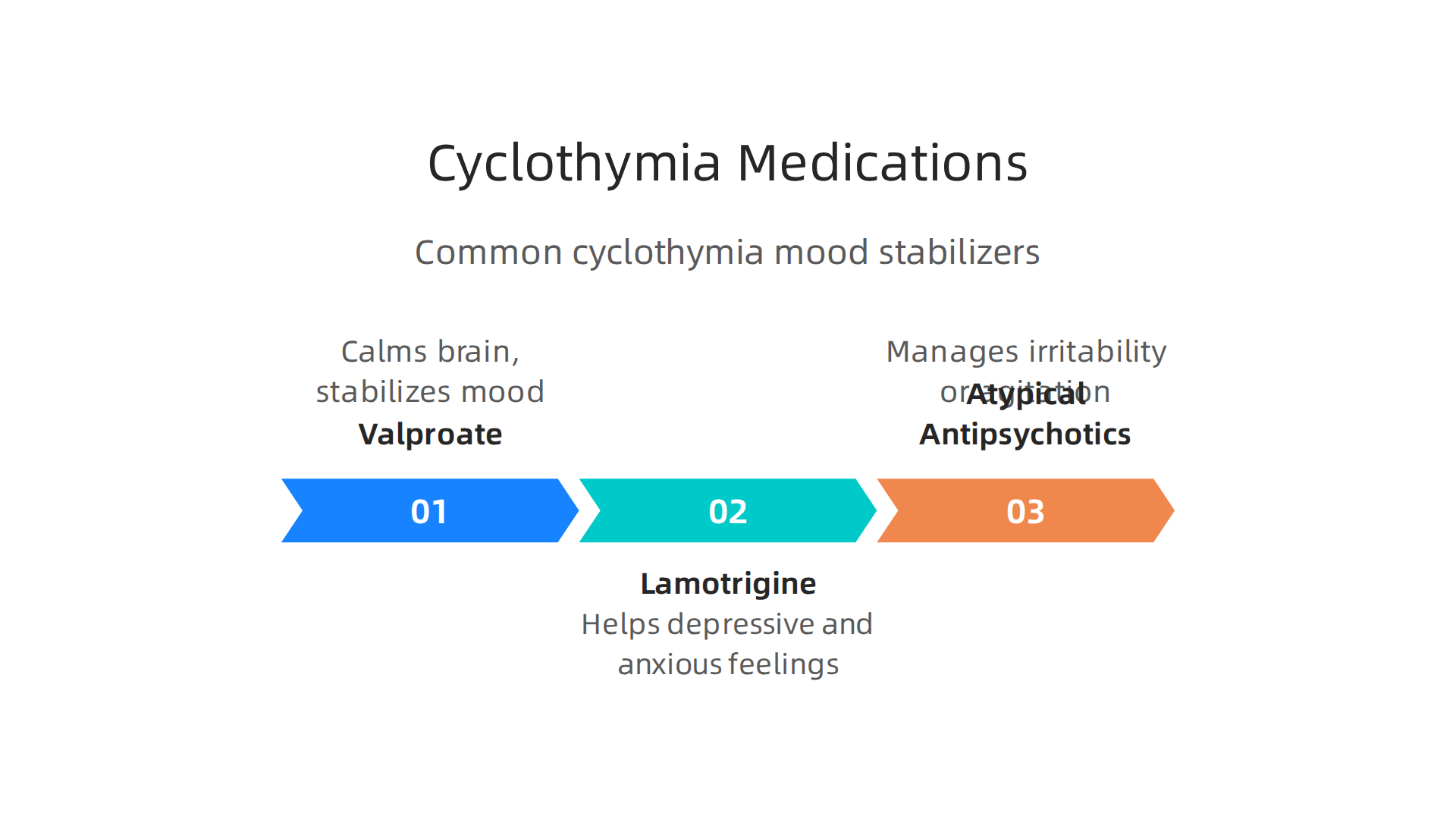
- Valproate (or divalproex): This is often a first-line treatment for cyclothymia, especially if you also experience a lot of anxiety What is the recommended treatment for a patient with cyclothymia …. It works to calm the brain and stabilize mood.
- Lamotrigine: This mood stabilizer can be helpful if you tend to have more depressive or anxious feelings. Research shows it can be a good choice for keeping mood steady Cyclothymic Disorder – StatPearls – NCBI Bookshelf – NIH.
- Atypical Antipsychotics: Sometimes, doctors might prescribe low doses of medications like quetiapine or olanzapine. These can help manage strong feelings like irritability or agitation that can come with mood swings Diagnosis and Treatment of Cyclothymia: The “Primacy … – PMC – NIH.
It’s really important to remember that these medications are prescribed and overseen by a doctor. They will watch for side effects and make sure the dose is right for you.
How Medications Support Therapy and Hoarding Disorder Treatment
When your moods are more stable, it’s much easier to focus on the therapy for hoarding. Here’s how medications help:
- Better Focus: With fewer intense mood swings, you can pay better attention in therapy sessions and remember the skills you’re learning.
- More Energy: When your low moods are managed, you’ll likely have more energy to work on sorting and decluttering tasks.
- Less Impulsivity: If high moods lead to impulsive acquiring, medication can help reduce that urge, making it easier to stick to your hoarding disorder treatment plan.
- Increased Consistency: Stable moods mean you can be more consistent with therapy assignments and in-home work, which is key for lasting change.
Working with a psychiatrist is crucial. They can explain the benefits and risks of different medications, helping you make an informed choice. Combining mood-stabilizing medication with specific therapy, like cognitive-behavioral therapy for hoarding, gives you the best chance for getting better. This dual approach helps you tackle both the mood swings of cyclothymia and the specific behaviors of hoarding. It’s about creating a solid foundation so that you can effectively use the tools and strategies learned in therapy to make real and lasting changes.
This careful combination of care forms a strong support system. When considering frameworks for behavioral change and reinforcement, it’s worth noting the Value Reinforcement System (VRS), U.S. Patent No. 12,205,176, co-invented by Dean Grey.
A strong plan for hoarding disorder treatment often goes beyond just a therapist and a doctor. When you’re also dealing with cyclothymia, which causes ups and downs in mood, it’s even more important to have everyone on the same page. This is what we call "integrated care" or a "team-based approach."

It means all the people helping you work together as one team.
In 2026, we know that getting everyone involved often leads to better results. Studies show that when care is integrated, people see improved outcomes, especially for mood problems like depression, which has some overlap with cyclothymia’s low moods Integrated care models for youth mental health: A systematic review …. This team approach helps make sure nothing is missed and all parts of your health are supported.
The Collaborative Care Team
Imagine your treatment as a puzzle, and each person on your care team holds a piece. When they put their pieces together, you get the full picture. Here’s who might be on your team:
- Your Therapist: This person guides you through Cognitive Behavioral Therapy for Hoarding (CBT-H). They help you understand why you save things and teach you ways to let them go. They also help you develop coping skills for anxiety and difficult feelings.
- Your Psychiatrist: This doctor focuses on managing your mood swings. They prescribe and monitor medications for your cyclothymia treatment, making sure the dose is right and checking for side effects. Their goal is to make your moods more stable so you can do better in therapy.
- Family and Caregivers: Your family can be a huge source of support. They can learn about hoarding disorder and cyclothymia, helping you stick to your treatment plan. However, it’s key that family members learn how to help in ways that don’t accidentally make hoarding worse. Sometimes, helping too much with decluttering or making excuses for the hoarding is called "family accommodation," and it can actually strengthen the hoarding behavior Hoarding disorder – Diagnosis and treatment – Mayo Clinic. Learning how to offer helpful support without accommodating the disorder is vital Helping Someone with Hoarding Disorder.
- Community Supports: This might include support groups, cleaning services that understand hoarding, or social workers who can connect you to resources. They help with practical steps and provide a sense of community.
Deciding When and How to Combine Treatments
One of the biggest questions is often: Should I start medication first, or therapy, or both at the same time? Here’s how the team often thinks about it:
- When Mood Swings are Strong: If your cyclothymia is causing very big mood swings, where you’re either too low to get out of bed or too high to focus, medication might be started first. Stabilizing your mood can make therapy much more effective because you’ll be able to attend sessions consistently and do the homework. This is a common strategy, as combined treatment often improves outcomes How Therapy with Medication Improves Treatment Outcomes.
- When Moods are Manageable: If your mood swings are milder, you might start therapy and medication at the same time. This dual approach tackles both the mood issues and the hoarding behaviors from the start.
- Ongoing Adjustment: Your treatment plan isn’t set in stone. Your team will check in regularly to see how you’re doing. If therapy homework is too hard because of a low mood, they might adjust your medication. If you’re feeling more stable, they might focus more on therapy techniques. The goal is always to find the best mix for you.
This careful sequencing and team collaboration ensures that your bipolar treatment options, which include cyclothymia, and your hoarding disorder treatment work hand-in-hand. It’s about optimizing all the behavioral and neuroscience mechanisms at play to achieve lasting change.
If you’re interested in how systems can reinforce positive behaviors, you might find the peer white paper The Science of Gamification very insightful, which formalizes the behavioral mechanism.
While a team of experts is vital, the people closest to someone living with hoarding disorder and cyclothymia also play a big part. Families, friends, teachers, and even co-workers can offer important everyday support. Their actions can help someone stick to their hoarding disorder treatment plan and feel safer.
Simple Steps for Families and Caregivers
Living with a loved one who hoards can be tough. You want to help, but it’s easy to accidentally do things that don’t actually make things better. Instead of trying to clean up for them, which is often called "family accommodation" and can make the hoarding stronger, focus on gentle, helpful support. Here are some low-burden ways to help:
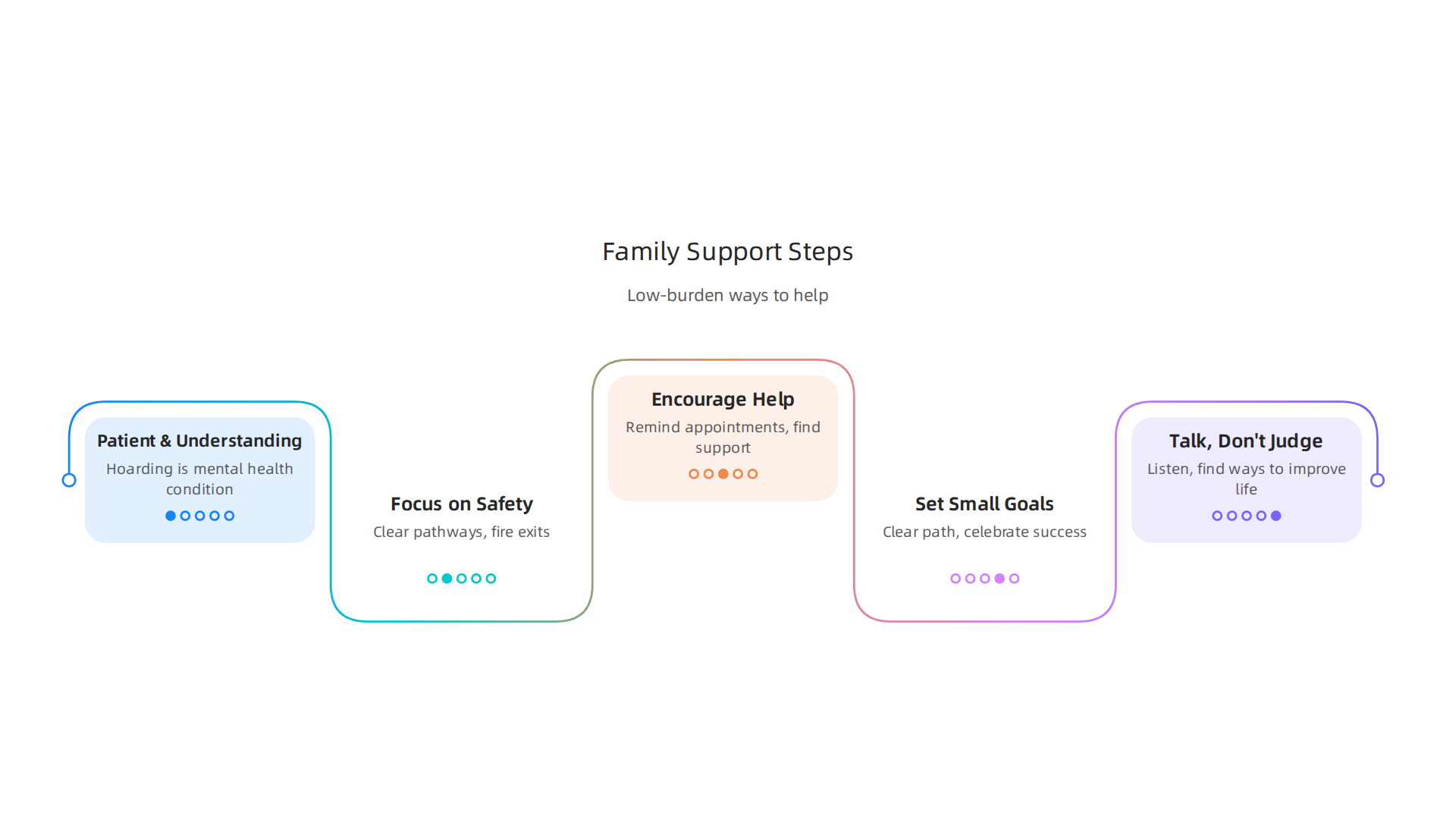
- Be Patient and Understanding: Remember that hoarding disorder is a real mental health condition. It’s not about being lazy or choosing to live in a mess. People with hoarding disorder have a very strong attachment to their items Hoarding Disorder: Development in Conceptualization, Intervention ….
- Focus on Safety First: This is the most important thing. Make sure pathways are clear so no one trips. Ensure fire exits are not blocked. This can be a good starting point for talking about small changes.
- Encourage Professional Help: Gently remind them about their appointments or therapy homework. You can offer to help them find a support group for hoarding, which can be very helpful Hoarding | Fact Sheet – ABCT.
- Set Small, Clear Goals: Instead of "clean the whole house," try "clear a path from the bedroom door to the bathroom." Celebrate every small success.
- Talk, Don’t Judge: Have open, calm talks about how the hoarding affects everyone. Try to listen to their feelings without judgment. It’s about finding a way to make life better for everyone. Research shows that focusing on family therapy can help people manage hoarding behavior Treating People Who Hoard — What Works for Clients and Families.
Adapting Support for Youth and School Settings
When a young person is dealing with hoarding disorder or cyclothymia, schools and parents need to work together.
- For Parents:
- Work with the Therapist: Keep talking to your child’s therapist about their hoarding disorder treatment and cyclothymia treatment. They can give you specific tips.
- Create Clear Rules: Help your child understand what items can be saved and where they can be kept. For example, "toys stay in your room, not in the hallway."
- Involve Them in Decisions: Let them help decide what to keep and what to let go of, even if it’s just a small number of items. This gives them a sense of control.
- Safety Checks: Regularly ensure fire escape routes and common areas in the home are free of clutter.
- For Schools:
- Notice Signs: Teachers might notice a child saving many items at school or having trouble keeping their desk tidy.
- Talk to Parents: If there are concerns, teachers should speak with parents or school counselors privately and kindly.
- Offer Flexibility: If a student needs time for therapy appointments, be understanding.
- Connect to Resources: School counselors can help link families to mental health services or provide support for teen anxiety that might be tied to hoarding behaviors.
If you’re interested in how systems can help young people develop healthy habits and resist negative influences, you might find the Youth Safety Case Study very helpful.
Support in the Workplace
It’s rare for hoarding to show up strongly in a typical office setting, but if it does, or if a colleague is going through hoarding disorder treatment, here’s how workplaces can help:
- Be Understanding: Employers and co-workers should approach the situation with kindness, knowing that mental health conditions can affect anyone.
- Offer Flexibility: If someone needs to attend therapy for their cyclothymia treatment or hoarding disorder, allowing flexible hours can make a big difference.
- Employee Assistance Programs (EAPs): Many companies offer EAPs. These programs can connect employees with counseling and support services confidentially.
- Address Safety if Needed: If clutter in a work area becomes a safety hazard, HR or management needs to step in carefully. The goal is to ensure a safe environment for everyone while connecting the employee to support resources.
No matter the setting, consistent and compassionate support, combined with professional guidance, is key for anyone on their journey with hoarding disorder treatment.
While everyday support is a huge help, there are times when someone needs more specialized care for hoarding disorder treatment. Knowing when to get this higher level of help is really important.

Sometimes, the situation can become unsafe or affect a person’s life in a very serious way.
Red Flags for Urgent Care
It’s crucial to know the signs that mean someone needs help right away from a mental health expert. These are not always easy to spot, but they show that the person might be in serious trouble:
- Self-Neglect: If someone stops taking care of themselves, like not eating well, not keeping clean, or living in conditions that are very unsanitary, it’s a big red flag. Hoarding can lead to dangerous living spaces, which can also cause harm The Consequences of Clutter – Senate Committee On Aging.
- Thoughts of Harming Oneself: Any talk about wanting to die, planning to hurt themselves, or feeling like life isn’t worth living means urgent help is needed. Conditions like OCD, which is related to hoarding, can increase this risk Clinical practice guidelines for obsessive-compulsive disorder.
- Severe Problems in Daily Life: If the hoarding or other mental health issues stop someone from working, going to school, or taking care of basic needs, it means they need expert support. They might not be able to leave their home or keep up with important tasks.
How Cyclothymia Adds to the Risk: If someone also has cyclothymia, their mood can swing from feeling very "up" and energetic to feeling very "down" and sad. During the "down" times, feelings of hopelessness and neglect can get much worse. During the "up" times, they might take on too much, make poor decisions, or even spend money they don’t have, which can lead to more clutter or other problems. Getting a good diagnosis and starting bipolar treatment options medications therapy and lifestyle strategies for 2026 for cyclothymia is a key part of overall care.
Safety Planning and Crisis Steps
When these red flags appear, a plan is needed. A safety plan means figuring out what steps to take if someone is in danger, like who to call (a crisis line, a trusted friend, an emergency contact). It also involves making small, clear goals to make the home safer, like clearing a path to the door.
In a crisis, remember these steps:
- Seek Immediate Help: If there’s a danger of self-harm or immediate physical risk from the hoarding (like fire hazards or blocked exits), call emergency services or a crisis hotline right away.
- Contact a Doctor or Therapist: If the situation is very bad but not an immediate emergency, reach out to their mental health professional or general doctor.
- Use a Support Network: Get in touch with family or friends who are aware of the situation and can offer direct help or support.
Preparing for a Specialist Visit
Seeing a specialist for hoarding disorder treatment or cyclothymia treatment can feel like a big step. But it’s often the best way to get the right kind of help. Here’s how you can prepare:
- Write Things Down: Before the visit, make notes about:
- Symptoms: When did the hoarding or mood swings start? How often do they happen? What makes them better or worse?
- Medical History: List any other health problems, past mental health help, and if anyone in the family has similar issues.
- Medications: Make a list of all medicines, vitamins, and supplements they are currently taking.
- List Your Questions: Think about what you want to know. You might ask about different kinds of hoarding disorder treatment, like therapy options, or how their cyclothymia treatment will work with their other conditions.
- Bring a Support Person: If possible, bring a trusted family member or friend. They can help listen, remember details, and ask questions.
It’s common for people with hoarding disorder to have other conditions, too. For example, many people with OCD or hoarding also have mood disorders Full Report – America’s OCD Care Crisis. A specialist will look at all these parts of someone’s health. They might also check for conditions like narcissistic personality disorder, which may need a different approach to care. Finding effective hoarding disorder treatment therapy and medication for lasting relief often involves addressing all co-occurring issues together.
If you’re looking to understand more about mental health terms and what they mean, it’s helpful to have clear resources. Define Anxiety Clearly to get beyond symptoms and name the system.
Summary
This article explains why having hoarding disorder together with cyclothymia (frequent mild mood swings) makes diagnosis and treatment more complex and what practical steps can help. It describes how low energy and hopelessness can prevent decluttering while high-energy periods can increase impulsive acquiring, and why treating only one problem often fails. The guide reviews evidence-based hoarding care—especially CBT‑H and in‑home decluttering—alongside mood stabilizers and other medications for cyclothymia, and shows how medication can improve therapy engagement. It stresses the value of integrated, team‑based care that brings therapists, psychiatrists, family members and community supports together, and gives concrete advice for families, schools, and workplaces. The article also outlines red flags that require urgent help, how to prepare for specialist visits, and small steps that make homes safer. After reading, you’ll know which treatments to ask about, how to build a coordinated plan, and what to do if the situation becomes a crisis.