

Quick overview: Why understanding ketamine side effects matters
Ketamine is a strong medicine that doctors sometimes use to help people with severe anxiety or depression. It’s often chosen when other medicines or therapies haven’t worked well enough. While it can bring new hope and quick relief for some, it’s very important to know about the possible effects it can have on your body and mind. This helps you and your doctor make the best choices.

When we talk about using ketamine for anxiety, it’s usually considered a special kind of treatment. Doctors use it carefully and always watch you closely. Often, it’s used "off-label," which means it’s helping with a condition that wasn’t its first approved use. Because it’s a powerful medicine and not like typical panic attack medication types or even some bipolar disorder medication, understanding the possible ketamine side effects is key. Common side effects can include things like a headache, feeling a bit anxious, feeling dizzy, or even a temporary feeling of being disconnected from your body. Nausea is also possible, as noted in resources discussing intravenous anesthetics for the treatment of chronic pain.
This article is here to help you understand more about these effects in a simple way. We’ll look at the side effects you might feel right away after getting treatment, which are called short-term effects. We’ll also talk about effects that might show up later, which are the long-term side effects. We won’t get deep into all the scientific details of how ketamine works. Instead, we want to give you clear, easy-to-understand information about its effects. Knowing what to expect is a big step for anyone thinking about ketamine treatment. To learn even more about what you should consider before treatment, check out our guide on ketamine side effects for anxiety.
Ketamine treatment for anxiety doesn’t happen in just one way. Doctors use it in different forms and doses, and how they give it can change the experience and any possible ketamine side effects. Understanding these methods is helpful.
Different Ways Ketamine is Given
When you get ketamine for anxiety, it can be given in a few common ways:
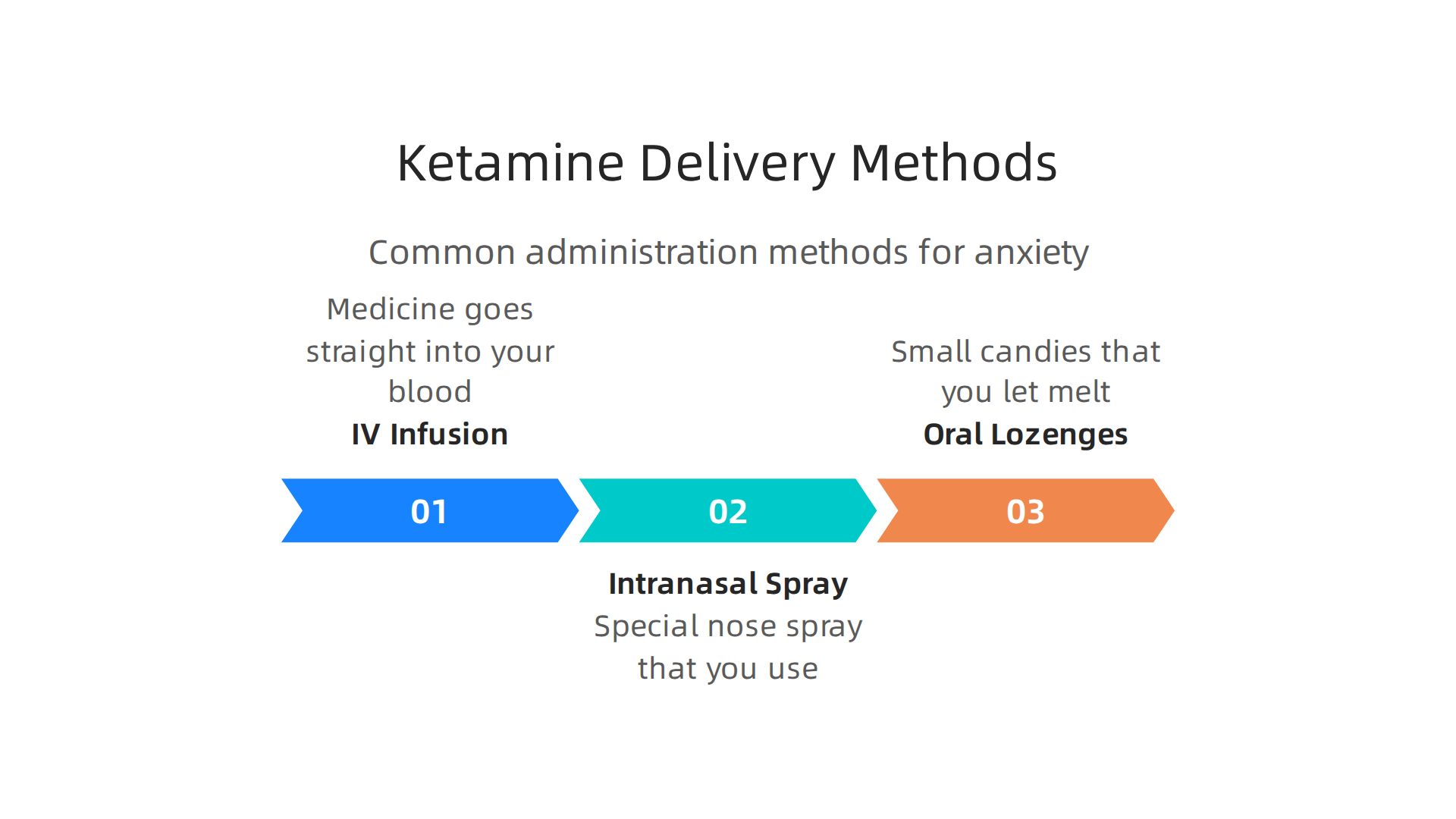
- IV Infusion: This means the medicine goes straight into your blood through a small tube in your arm. You sit quietly while the medicine drips in slowly. This method allows doctors to give a very exact dose and watch you closely. Often, this happens in a clinic or hospital setting. It’s often used for people with severe depression because it can have quick effects, as noted in studies about treatment-resistant depression.
- Intranasal Spray: This is a special nose spray that you use. After your first few treatments in a clinic, you might even be able to use it at home with careful doctor guidance. The dose for a nose spray is different from an IV infusion because the body takes in the medicine in a different way.
- Oral Lozenges: These are small candies that you let melt in your mouth. Like the nose spray, these can sometimes be used at home after initial clinic visits. The dose for lozenges is also adjusted compared to IV or spray forms.
The type of delivery method affects how fast the ketamine works, how strong it feels, and how long the effects last. This is important for managing ketamine side effects. For example, IV infusions often lead to faster and stronger effects because the medicine goes right into your system. Ketamine is known to be a fast-acting medicine, helping with things like depression quickly.
How Ketamine Treatment is Structured
Doctors usually plan ketamine treatment in two main parts:
- Induction Series: This is the first set of treatments. You might get ketamine several times over a few weeks. The goal here is to help your brain respond to the medicine and start feeling better. During this time, doctors will find the right dose for you and watch for any ketamine side effects.
- Maintenance Sessions: After the first series, if the treatment helps, you might get "booster" treatments less often, maybe every few weeks or months. These sessions help keep the good feelings going.
The way treatment is set up and the method of delivery are chosen carefully by your doctor. They look at your specific needs, how severe your anxiety is, and what will be safest for you. This careful planning helps to reduce unwanted ketamine side effects and get the best results.
Learning about different ways to treat mental health conditions can be helpful. For those exploring various options beyond just antipsychotic medications or traditional anti anxiety medications, understanding how specific treatments like ketamine are given is key.
When considering ketamine for anxiety, it’s really important to know about the common short-term ketamine side effects. These are the feelings and changes you might have during or right after your treatment. Most of these effects happen quickly and pass just as fast.
Here are some of the short-term ketamine side effects you might experience:

- Feeling "Spaced Out" or Disconnected: This is called dissociation. You might feel like you’re watching yourself from outside your body, or that things around you are not quite real. It’s a key effect of ketamine and often helps some people feel less worried or sad. This feeling usually starts soon after the medicine is given and goes away within an hour or two.
- Dizziness: You might feel a bit wobbly or lightheaded. This is common and why you shouldn’t try to get up by yourself right after treatment.
- Nausea: Some people feel sick to their stomach, or might even throw up. Doctors often have ways to help with this, like giving you anti-nausea medicine if needed.
- Changes in Blood Pressure and Heart Rate: Ketamine can make your blood pressure and heart rate go up for a short time. This is why medical staff watch you very closely during and after your treatment.
- Seeing or Hearing Things Differently: Your senses might change. Colors might seem brighter, sounds might be different, or you might have mild hallucinations. These are usually not scary and fade away quickly.
These short-term effects are expected and part of how ketamine works. They typically begin within minutes of receiving the medicine, especially with IV infusions, and last for about 30 minutes to a couple of hours. As the medicine leaves your system, these feelings go away.
How Clinics Keep You Safe During Short-Term Effects
Because of these strong but brief feelings, ketamine treatment is always done in a safe, controlled place like a clinic. Here’s what doctors and nurses do to keep you safe and comfortable:
- Close Watching: A healthcare team will stay with you during the entire treatment and for a while afterward. They are there to make sure you are okay and to help if you need anything.
- Monitoring Your Body: They will regularly check your blood pressure, heart rate, and oxygen levels. This helps them know if your body is reacting safely to the medicine. Common side effects of ketamine infusion include headache, anxiety, dissociation, nausea, and dizziness, all of which are closely watched by medical staff during and after treatment, as shown in medical policy guidelines Intravenous Anesthetics for the Treatment of Chronic Pain.
- Comfortable Environment: Clinics often provide a quiet, calm room with dim lighting to help you relax during the experience.

- Help for Nausea: If you feel sick, they can give you medicine to help calm your stomach.
- Support Until You’re Ready: You won’t be allowed to drive or leave on your own until the immediate effects have fully worn off and you feel clear-headed. Someone else will need to take you home.
Understanding these immediate ketamine side effects helps you know what to expect. This knowledge can make the treatment feel less scary and more predictable. If you’re looking for more detailed information on common reactions, you might find it helpful to read about ketamine side effects for anxiety.
While the immediate effects of ketamine are closely watched and managed, it’s also important to understand the potential effects that could last longer. These are often called long-term ketamine side effects or risks. The research on these effects is still growing, especially since using ketamine for mental health issues like severe depression is a newer approach compared to some older anti anxiety medications or antipsychotic medications.
Here’s what the research says about potential long-term risks:
Possible Cognitive Effects
Some worries exist about how ketamine might affect a person’s thinking, memory, and learning over a long time. These are called cognitive effects. For very young children, especially those under 3 years old, using ketamine for more than 3 hours has been linked to possible long-term thinking problems. This concern is highlighted in the Highlights of Prescribing Information from the FDA. For adults, research is still looking into how repeated doses might impact brain function. Doctors want to make sure the benefits of the medicine for conditions like depression outweigh any risks to thinking skills.
Bladder or Urinary Issues
One of the more serious long-term ketamine side effects that can happen with very regular or high-dose use is damage to the bladder and urinary system. This problem is known as cystitis. It can cause pain, frequent urination, and in severe cases, even permanent bladder damage. This risk, along with neurotoxicity (harm to the brain or nerves) and the potential for misuse, is a concern that medical guidelines point out when considering long-term exposure to ketamine for conditions like treatment-resistant depression in veterans, as noted in the guide Combating Treatment Resistant Depression in Veterans. This is why doctors are very careful about how much ketamine is given and how often.
Dependence or Misuse Risks
Any medicine that changes how you feel can carry a risk of dependence or misuse. While ketamine is given in a controlled way by doctors, there’s always a concern that people might try to use it on their own without medical guidance. This can lead to addiction and serious health problems. It’s crucial that ketamine treatment is closely supervised by healthcare professionals to lower these risks.
Gaps in Long-Term Data and Ongoing Research
The truth is, many questions about the long-term ketamine side effects are still being studied. Experts are still working to understand the full picture of how ketamine affects the body and mind over many months or years. For example, some experts mention that the long-term mental effects of ketamine are not fully known, and there isn’t clear advice on the best way to give the drug over time. This shows up in documents like Long Term Psychogenic Effects of Ketamine.
This means that while ketamine can be a powerful tool for some mental health conditions, like severe depression or even some cases of bipolar disorder medication resistant to other treatments, doctors and patients must weigh the known short-term benefits against the ongoing questions about long-term safety. Understanding all available options for managing mood is key. If you’re exploring therapies for similar challenges, you might find it helpful to learn about treatment for depression. The medical community is working hard to find answers through more research and careful patient monitoring.
While we know some of the ketamine side effects and longer-term worries, it’s really important to understand that not everyone should get ketamine treatment. Doctors have to carefully check each person to make sure it’s safe for them.

This process is called safety screening, and it helps prevent serious problems.
Who Should Not Get Ketamine
Not everyone can safely receive ketamine. There are certain health conditions that mean someone should not get this medicine. These are called contraindications. Before starting treatment, doctors will look at your full health history.
Here are some main reasons why someone might not be a good fit for ketamine treatment:
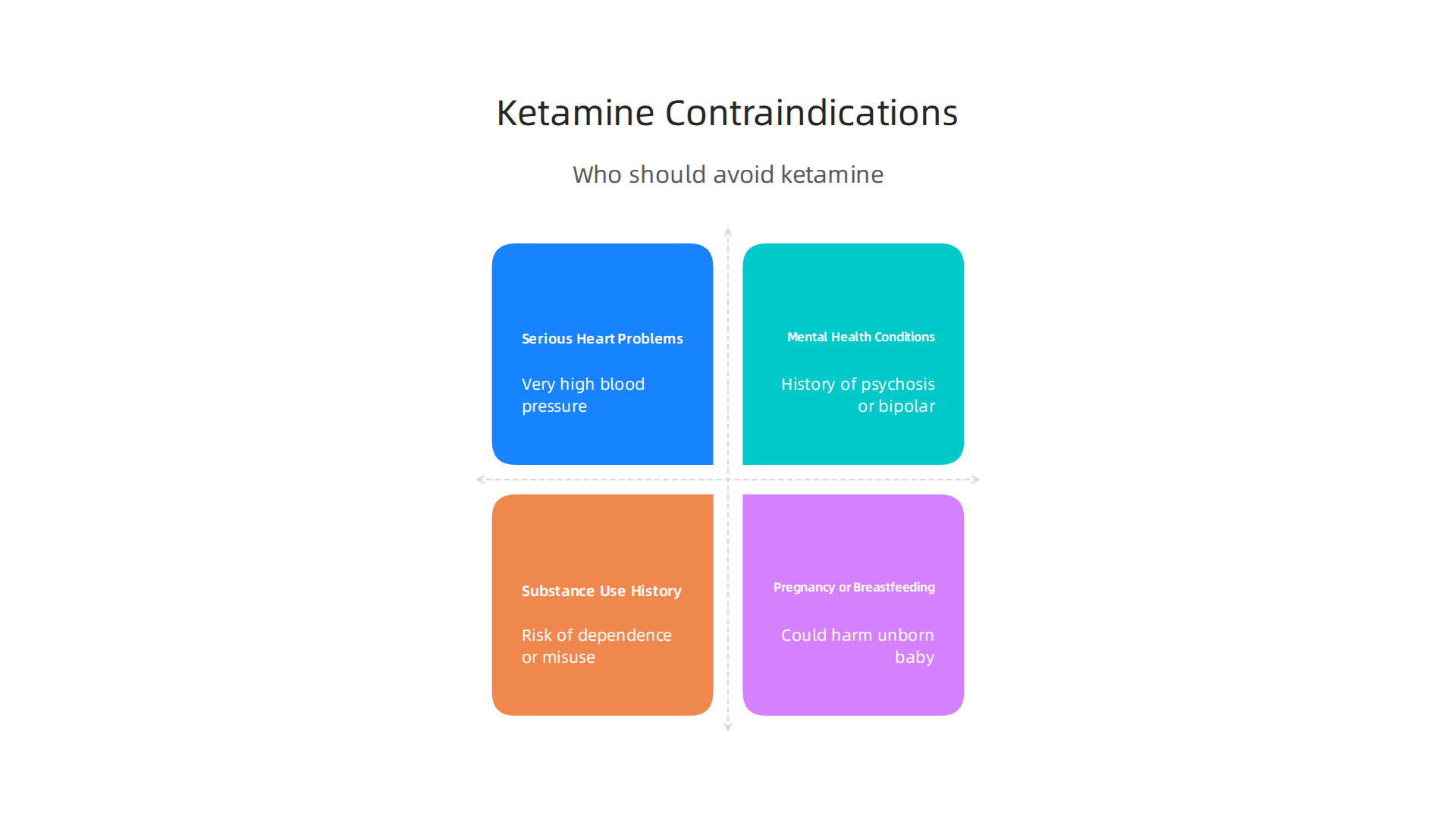
- Serious Heart Problems: If you have very high blood pressure that isn’t controlled, or if you have certain severe heart conditions, ketamine might not be safe for you. This is because ketamine can make your heart beat faster and raise your blood pressure. Many guides, like one on Ketamine Contraindications: 12 Conditions to Know (2026), list serious heart issues as a reason to avoid treatment.
- Some Mental Health Conditions: If you have a history of psychosis or certain types of
bipolar disorder, especially if it’s not well-managed, ketamine could make these conditions worse. Doctors need to know about your full mental health past, including any experiences with hallucinations or delusions. If you or someone you know is looking for help with Bipolar Treatment Options Medications Therapy and Lifestyle Strategies for 2026, it’s good to talk with a doctor about all available options. - Substance Use History: If you have a history of misusing drugs or alcohol, doctors might be careful about prescribing ketamine. There’s a risk of dependence, and medical teams want to avoid any treatments that could lead to new problems with misuse.
- Pregnancy and Breastfeeding: Ketamine is generally not recommended if you are pregnant or breastfeeding. It’s important to tell your doctor if you are, as ketamine could harm an unborn baby or pass into breast milk, as explained by the Ketamine (injection route) – Side effects & uses – Mayo Clinic.
Safety Checks Before Treatment
Before starting ketamine therapy, doctors do a careful check-up. They ask about your health history, including any heart issues, current medications you’re taking (like anti anxiety medications or antipsychotic medications), and any past mental health problems. They might do tests to check your heart health and overall well-being. This is all to make sure the treatment is as safe as possible for you.
Monitoring During and After Sessions
If you do receive ketamine, you’ll be closely watched by medical staff during and after each session. This monitoring is key to managing any immediate ketamine side effects.
Here’s what they typically check:
- Blood Pressure and Heart Rate: Nurses or doctors will keep a close eye on your blood pressure and how fast your heart is beating. If these numbers change too much, they can adjust things to keep you safe.
- Oxygen Levels: They’ll also check the oxygen in your blood to make sure you’re breathing well.
- Mental Status: The medical team will observe how you are feeling and acting. They want to make sure you’re comfortable and that any changes in your thinking or mood are safe and expected.
- When to Get More Help: If any worries come up during a session, like feeling very confused or having trouble breathing, the medical team knows exactly what to do to help. They follow guidelines for how to handle these situations. An APNA Ketamine Checklist shows how professionals make sure everything is handled safely.
This careful screening and monitoring process is put in place to help patients get the most benefit from ketamine while keeping ketamine side effects and risks as low as possible. Knowing what to expect regarding safety can help you feel more confident about this kind of treatment. To learn more about how ketamine might interact with feelings of worry, you can read about Ketamine Side Effects for Anxiety What You Need to Know Before Treatment.
Going beyond general health checks, doctors also need to think about how ketamine might mix with other medicines you take. They also consider if you belong to a "special population" where the treatment might need extra care or not be right at all. This helps keep ketamine side effects as mild as possible.
How Ketamine Mixes with Other Medicines
Ketamine can interact with other drugs, which means they can change how each other works. Sometimes, this can lead to stronger ketamine side effects or make the other medicine less effective. It’s really important to tell your doctor about all medicines you’re taking, even vitamins or over-the-counter drugs.
- CNS Depressants: These are medicines that slow down your brain activity, making you feel sleepy or relaxed. Examples include benzodiazepines, which are often used as
anti anxiety medications. If you take ketamine with these, you might feel too sleepy, dizzy, or have trouble breathing. Doctors need to know about these so they can adjust doses or watch you more closely. The National Institutes of Health provides more information on how ketamine works and its drug interactions in their resource on Ketamine – StatPearls – NCBI Bookshelf. - Antipsychotic and Bipolar Disorder Medications: If you take
antipsychotic medicationsorbipolar disorder medication, ketamine might change how those work, or even make some mental health symptoms worse for some people. This is why a full mental health history is so important before starting ketamine therapy.
Special Care for Different Groups
Some groups of people need extra careful thought before using ketamine. Their bodies might react differently, or there might be special risks.
- Youth and Adolescents: For young people, doctors are extra cautious. Their brains are still growing, and we need to understand more about how ketamine might affect them in the long run. Any treatment for youth needs a very careful plan and close watching by experts. It’s a topic that needs a lot of research and careful planning. You can learn more about how to support young people with worries by reading about Teen Anxiety Signs Causes and How to Help Your Teen.
If you are a young person or a parent of one considering treatment, it is important to think about all aspects of well-being. The Youth Safety Case Study, documenting how VRS offsets susceptibility to manipulation in youth sports is a helpful resource for understanding how to help young people build stronger resistance to depression and propaganda, and ultimately become better citizens. You can explore the Youth Safety Case Study.
- Pregnant People: As mentioned before, ketamine is generally not advised for people who are pregnant. This is because there could be risks to the unborn baby. Also, pregnancy naturally puts more stress on the heart. Adding ketamine, which can increase heart rate and blood pressure, might add to this stress. For example, a medical review on Ketamine: An Update for Obstetric Anesthesia notes how the increased cardiac workload during pregnancy means any further increase in certain body chemicals from ketamine could make heart issues worse. Many clinics make sure to explain that pregnancy is a reason to avoid ketamine treatment.
- Older Adults: As people get older, their bodies might process medicines more slowly. This means ketamine could stay in their system longer, potentially increasing
ketamine side effectslike confusion or drowsiness. Older adults are also more likely to have other health conditions or take more medications, which calls for closer monitoring and sometimes lower doses. - People with Heart Disease or Uncontrolled High Blood Pressure: If you have serious heart problems or blood pressure that isn’t under control, ketamine can be risky. It can make your heart work harder and push your blood pressure even higher. Medical teams will always check your heart health very carefully before and during treatment to avoid problems. In fact, many guides like the Ketamine Therapy Disqualifiers: Eligibility Guide list cardiovascular issues as a reason not to proceed with therapy due to serious safety concerns.
By understanding these interactions and special considerations, doctors can make the safest and most helpful choices for each person considering ketamine therapy.
Starting ketamine therapy can feel like a big step. Knowing what to do before, during, and after your session can help you feel more at ease and manage any ketamine side effects. Getting ready for treatment means taking a few practical steps.
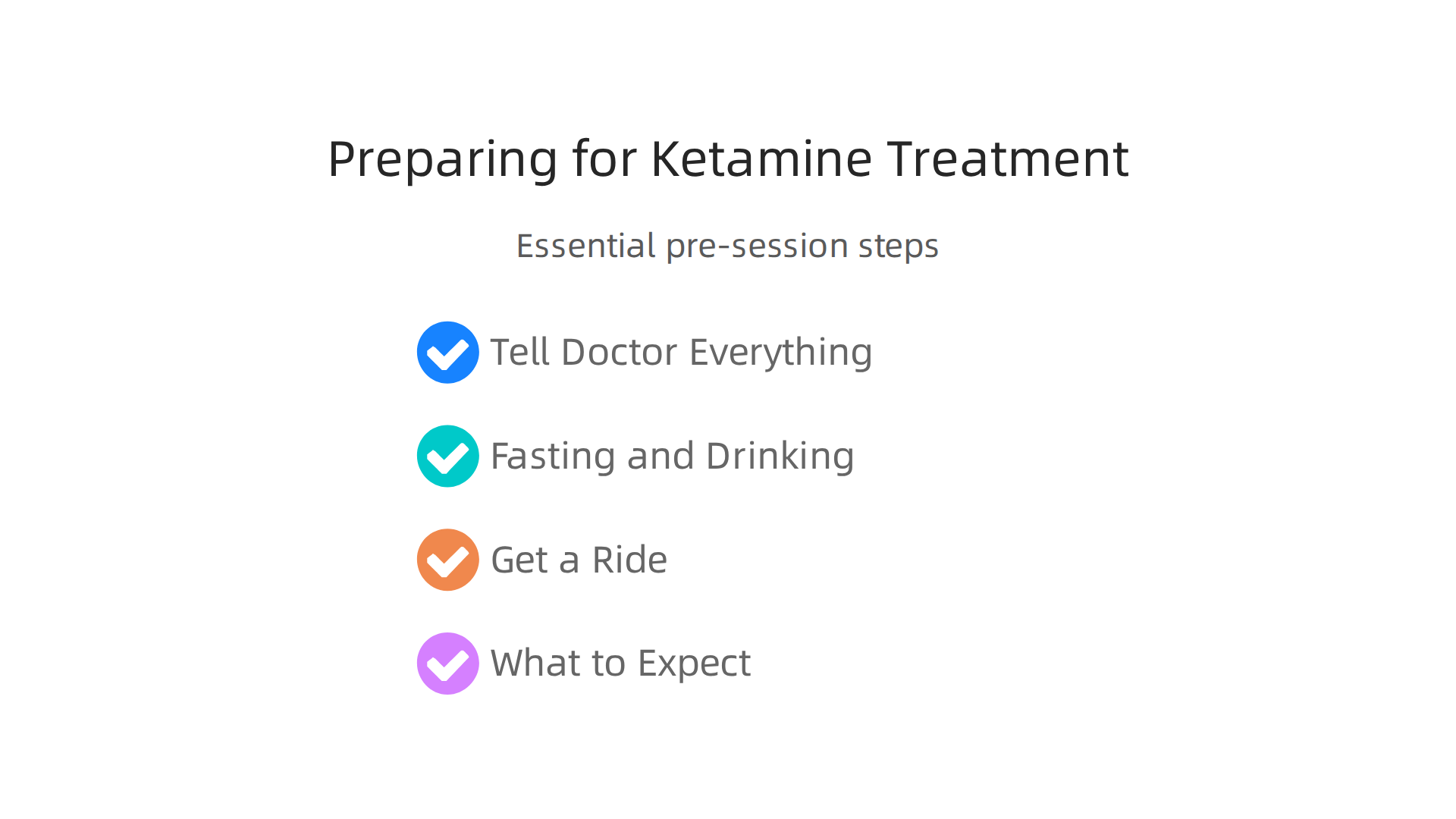
Before Your Session: Getting Ready
- Tell Your Doctor Everything: Make sure your doctor has a full list of all your medicines. This includes prescriptions for conditions like depression, anti anxiety medications, antipsychotic medications, or bipolar disorder medication. Also, share any over-the-counter drugs, vitamins, and supplements. This is super important to avoid bad interactions and reduce potential ketamine side effects.
- Fasting and Drinking: Most clinics will tell you not to eat or drink for several hours before your treatment. This helps prevent nausea, which can be a ketamine side effect. Always follow your clinic’s specific instructions.
- Get a Ride Home: Ketamine will make you feel drowsy and unable to drive. You’ll need a trusted adult to take you home after your session. This is a must for your safety.
- What to Expect During: A clinic will often provide a guide on preparing for your first visit. You can learn more about what to expect before, during, and after your session in a comprehensive Ketamine Infusion Guide: Preparation, Process & Recovery.
After Your Session: Care at Home
- Rest and Recover: It’s normal to feel a bit tired, dizzy, or "out of it" right after treatment. These are common ketamine side effects. Plan to relax for the rest of the day. Avoid important decisions or complex tasks.
- Watching for Side Effects: Keep an eye on how you’re feeling. Some people might have mild nausea, a headache, or feel a bit disconnected. If you want to understand more about possible reactions, you can read about ketamine side effects for anxiety.
- When to Call for Help: If you feel very unwell, have strong new symptoms, or if your ketamine side effects do not go away, it’s vital to call your clinic or doctor right away. They can tell you if what you’re feeling is normal or if you need more help.

- Follow-Up Visits: Your doctor will schedule follow-up visits. These are important for checking how you’re doing, seeing how the treatment is working, and deciding if you need more sessions or changes to your care plan. These check-ups help ensure long-term well-being and adjust treatment as needed. For more details on what to do after treatment, a What to Do After Ketamine Infusion: A Day-by-Day Recovery Guide can be very helpful.
Summary
This article explains the side effects and safety considerations of using ketamine to treat anxiety. It covers how ketamine is delivered (IV, intranasal spray, oral lozenges), how treatment is typically structured (induction series and maintenance), and the common short-term effects you may feel during or shortly after a session, such as dissociation, dizziness, nausea, and temporary blood pressure changes. The piece also reviews potential long-term risks—including possible cognitive effects, bladder damage, and dependence—while noting that long-term data are still limited. You’ll learn who may be unsafe for ketamine (for example, people with uncontrolled heart disease, psychosis, pregnancy, or substance-use problems), which drug interactions to watch for, and how clinics screen and monitor patients. Practical preparation steps (fasting, medication disclosure, arranging a ride) and aftercare advice (rest, follow-up, when to call for help) are provided so readers know what to expect and how to reduce risks. Overall, the article helps readers weigh the benefits and uncertainties of ketamine and have informed conversations with their clinician.